How to Optimize Protein for Longevity and Fitness
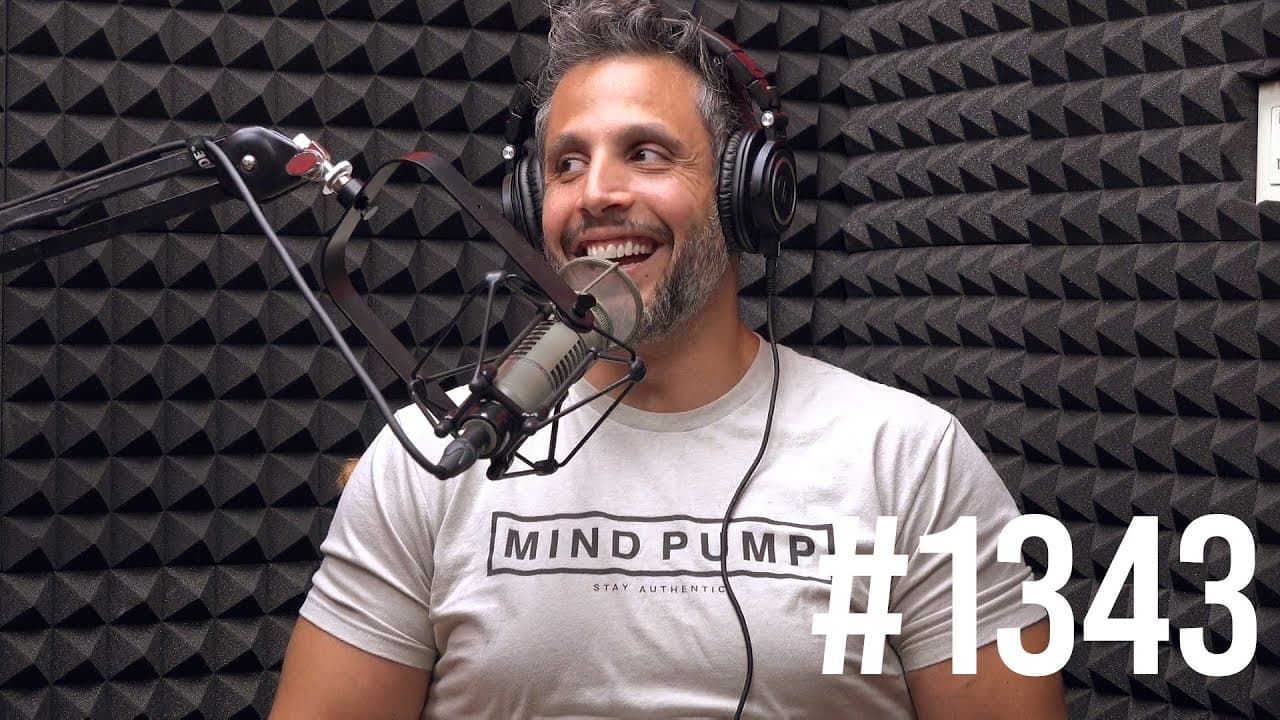
TL;DR
For longevity and fitness, balance protein intake with lifestyle. Lower protein diets are linked to long life in regions with active lifestyles and low calorie intake. For those who train, a higher protein intake supports muscle growth and satiety. Consider fasting or protein cycling to gain benefits of both approaches.
Transcript
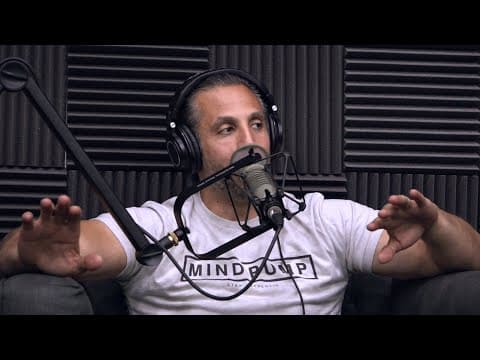
in this episode of mind pump the world's top fitness health and entertainment podcast we answer fitness and health questions asked by listeners like you we also have an introductory portion where we talk about studies uh we mention our lives we sometimes talk about our sponsors so what i'm gonna do is give you a breakdown of the whole episode but b... Read More
Key Insights
- Blue zones show longevity with low protein and active lifestyles.
- Resistance training benefits from higher protein intake.
- Quality of life includes strength and muscle mass, not just lifespan.
- Fasting or protein cycling can mimic low protein benefits.
- Online presence enhances in-person training business.
- Home training is a growing market due to gym closures.
- Anterior pelvic tilt is common and fixable with core strengthening.
- Micro schooling is rising as an educational alternative.
Install to Summarize YouTube Videos and Get Transcripts
Explore YouTube Video Summarizer or Get YouTube Transcript Extractor
Questions & Answers
Q: How to balance protein intake for longevity and fitness?
Balancing protein intake involves considering your lifestyle and goals. For longevity, lower protein and calorie intake, coupled with an active lifestyle, are beneficial. For fitness and muscle growth, higher protein intake is recommended. Incorporating fasting or protein cycling can help achieve benefits from both approaches.
Q: What is the impact of low protein diets in blue zones?
In blue zones, low protein diets are part of a broader lifestyle that includes low calorie intake and high physical activity, contributing to longevity. These populations often engage in daily activities that naturally incorporate exercise, supporting their health and lifespan.
Q: How can trainers adapt post-lockdown?
Trainers can adapt by building a strong online presence to support their in-person services. This includes creating content like blogs, videos, and social media posts. Additionally, offering home training services can tap into new markets as people seek alternatives to gym workouts.
Q: How to correct anterior pelvic tilt?
Correcting anterior pelvic tilt involves strengthening the core muscles while deactivating tight hip flexors. Exercises like hip flexor deactivators and targeted core workouts can help realign posture. Consistent practice and awareness of posture during daily activities are also crucial.
Q: What is micro schooling and its benefits?
Micro schooling is an education model where small groups of parents collaborate to educate their children at home or in small groups. It offers personalized learning, flexibility, and a safe environment, especially during pandemic-related school closures. It encourages community involvement and tailored educational experiences.
Q: How does protein intake affect muscle building?
Higher protein intake supports muscle growth by providing essential amino acids needed for muscle repair and growth. It also aids in satiety, helping to manage appetite and support weight management. This is particularly beneficial for those engaged in resistance training.
Q: Why is an online presence important for trainers?
An online presence is crucial for trainers as it expands their reach and supports their business. It allows trainers to share expertise, attract clients, and offer services beyond physical locations. It also provides a platform for building a community and establishing authority in the fitness industry.
Q: What role does fasting play in protein intake management?
Fasting can help manage protein intake by mimicking the benefits of low protein diets, such as improved metabolic health and longevity. Occasional fasting or protein cycling allows individuals to enjoy the muscle-building benefits of higher protein intake while still gaining longevity benefits associated with lower protein consumption.
Summary & Key Takeaways
-
Longevity in blue zones is linked to low protein, low calories, and active lifestyles. However, those who train benefit from higher protein intake for muscle growth and satiety. Balancing these can be achieved through occasional fasting or protein cycling.
-
Trainers should consider building an online presence to support their in-person business and adapt to market changes. Home training is an emerging market due to gym closures, offering new opportunities.
-
Anterior pelvic tilt, common in modern lifestyles, can be corrected by strengthening the core and deactivating tight hip flexors. Micro schooling is gaining popularity as parents seek educational alternatives during pandemic disruptions.
Read in Other Languages (beta)
Share This Summary 📚
Summarize YouTube Videos and Get Video Transcripts with 1-Click
Try YouTube Summary with ChatGPT & Claude or YouTube Transcript Generator
Explore More Summaries from Mind Pump Show 📚

Summarize YouTube Videos and Get Video Transcripts with 1-Click
Try YouTube Summary with ChatGPT & Claude or YouTube Transcript Generator