What Are the Best Cult Horror Movies to Watch?
TL;DR
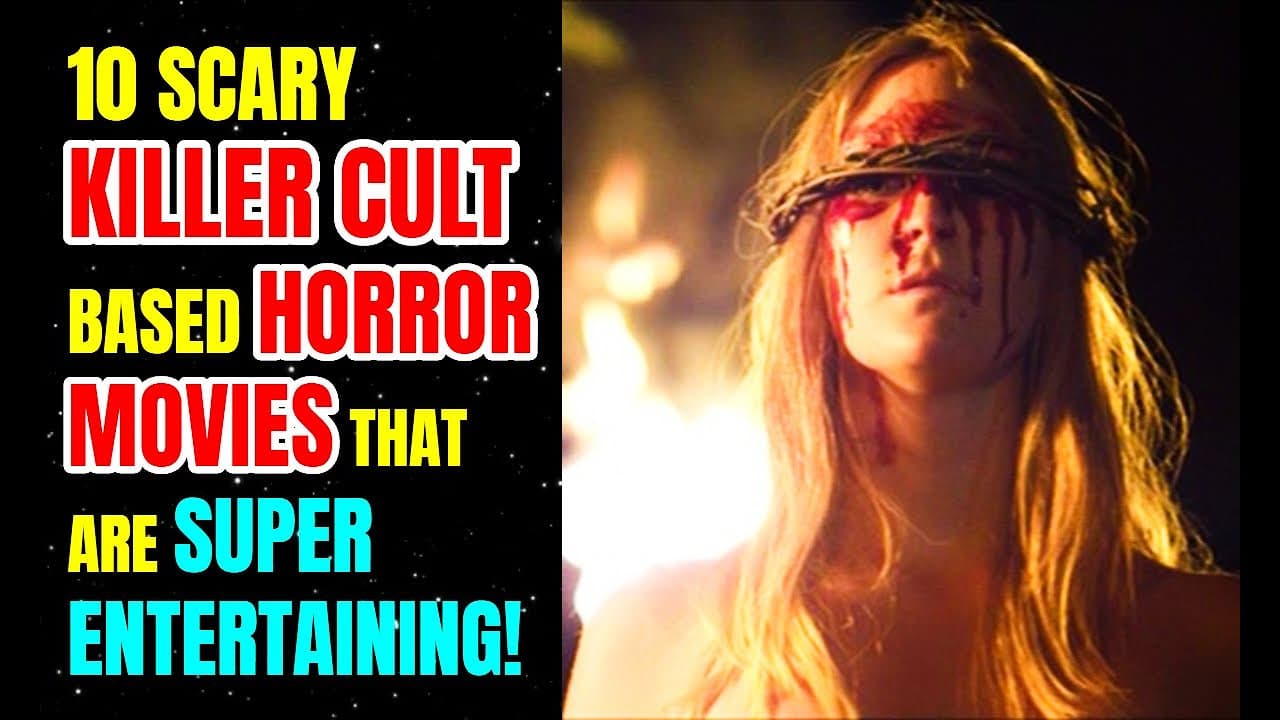
The best cult horror movies combine psychological terror with themes of societal madness, showcasing regular people caught in sinister group dynamics. Notable films include 'Eyes Wide Shut,' 'Rosemary's Baby,' and 'Midsommar,' each adding unique elements of suspense and fear through exceptional storytelling and direction. These films highlight the unsettling nature of collective belief and its potential for violence.
Transcript
top 10 fantastic killer cult based horror movies of all time while traditional horror movies with monsters ghosts and demons scare the wits out of people movies portraying the occult are even scarier besides the spin of psychological horror that most of them incorporate they show us that even regular people are capable of violence and sinister acti... Read More
Key Insights
- 😱 Cult horror films present a unique blend of psychological and supernatural elements, making them distinctly unsettling.
- 🎥 Films like "Eyes Wide Shut" explore sexuality within the context of secrecy and cult-like behaviors, enhancing their psychological tension.
- 🫠 Viewers are often left questioning the intentions of characters in cult movies, creating a pervasive sense of dread.
- 😒 The use of slow-building suspense allows filmmakers to maintain an eerie atmosphere throughout the viewing experience.
- 🎥 Each recommended film demonstrates a deep understanding of its themes, resulting in narratives that resonate deeply with audiences.
- 😱 The exploration of human relationships and manipulative powers within cults invites viewers to reflect on real-world situations, adding layers to the horror.
- 🖐️ Cinematic techniques such as lighting and sound design play vital roles in immersing viewers into the unsettling worlds of these films.
Install to Summarize YouTube Videos and Get Transcripts
Explore YouTube Video Summarizer or Get YouTube Transcript Extractor
Questions & Answers
Q: What are the key themes explored in cult-based horror films?
Cult-based horror films often delve into themes of psychological manipulation, societal madness, and the dark side of human nature. They portray how ordinary individuals can commit heinous acts under the sway of a charismatic leader or collective belief, making the horror feel more relatable and visceral. This exploration raises questions about morality, sanity, and the power of faith, creating anxiety and unease.
Q: How does “Rosemary's Baby” depict psychological horror?
"Rosemary's Baby" masterfully blends psychological horror with occult themes. The protagonist, Rosemary, spirals into paranoia as she suspects malevolent intentions surrounding her pregnancy. The gradual deterioration of her mental state, coupled with the unsettling behavior of those around her, effectively illustrates how psychological manipulation can induce fear, leaving viewers questioning what's real and what’s imagined.
Q: What makes “Midsommar” a unique entry in the horror genre?
“Midsommar” stands out because it juxtaposes bright, idyllic visuals with dark, disturbing themes, subverting typical horror conventions. Set during a Swedish festival, the film explores isolation and communal insanity, led by flawed characters facing emotional turmoil. The unsettling atmosphere and raw performances elevate it beyond conventional horror, making it both haunting and thought-provoking.
Q: Why is “The House of the Devil” considered homage to classic horror?
“The House of the Devil” pays homage to 70s and 80s horror films through its visual style and slow-burn storytelling. It encapsulates the tension and atmosphere characteristic of that era while employing a unique narrative driven by occult themes. This blend of slasher horror with a nostalgic aesthetic engages audiences who appreciate classic horror techniques.
Q: What role does cinematography play in cult-based horror films?
Cinematography in cult-based horror films is crucial for establishing mood and tension. Directors employ specific camera techniques, lighting, and shot composition to evoke discomfort and unease, enhancing the storytelling. In films like "The Invitation," the use of ominous shots and subtle framing contributes significantly to the atmosphere, immersing viewers in a world fraught with paranoia and suspense.
Q: How do these films challenge traditional horror tropes?
Cult-based horror films often challenge traditional horror tropes by focusing on psychological terror over physical scares. Rather than relying on ghosts or monsters, these films highlight the horrors rooted in human behavior and societal dynamics. By exploring the dark intricacies of human relationships and belief systems, they provoke deeper reflections on fear and morality, transforming conventional horror narratives.
Summary & Key Takeaways
-
The content highlights ten exceptional cult-based horror films, emphasizing their psychological depth and the chilling portrayal of ordinary people partaking in sinister activities under the influence of cults.
-
Each film reviewed combines elements of horror with cult themes, showcasing how these narratives expose fears surrounding collective madness and the power of belief.
-
The summary includes details about each film's plot, direction, and performances, providing insights into how they effectively convey an unsettling atmosphere and profound psychological horror.
Read in Other Languages (beta)
Share This Summary 📚
Summarize YouTube Videos and Get Video Transcripts with 1-Click
Try YouTube Summary with ChatGPT & Claude or YouTube Transcript Generator
Explore More Summaries from Marvelous Videos 📚




Summarize YouTube Videos and Get Video Transcripts with 1-Click
Try YouTube Summary with ChatGPT & Claude or YouTube Transcript Generator