What Your Parents Made You Do for Love…
TL;DR
Babies seek love through meeting parental expectations, shaping their personalities and futures.
Transcript
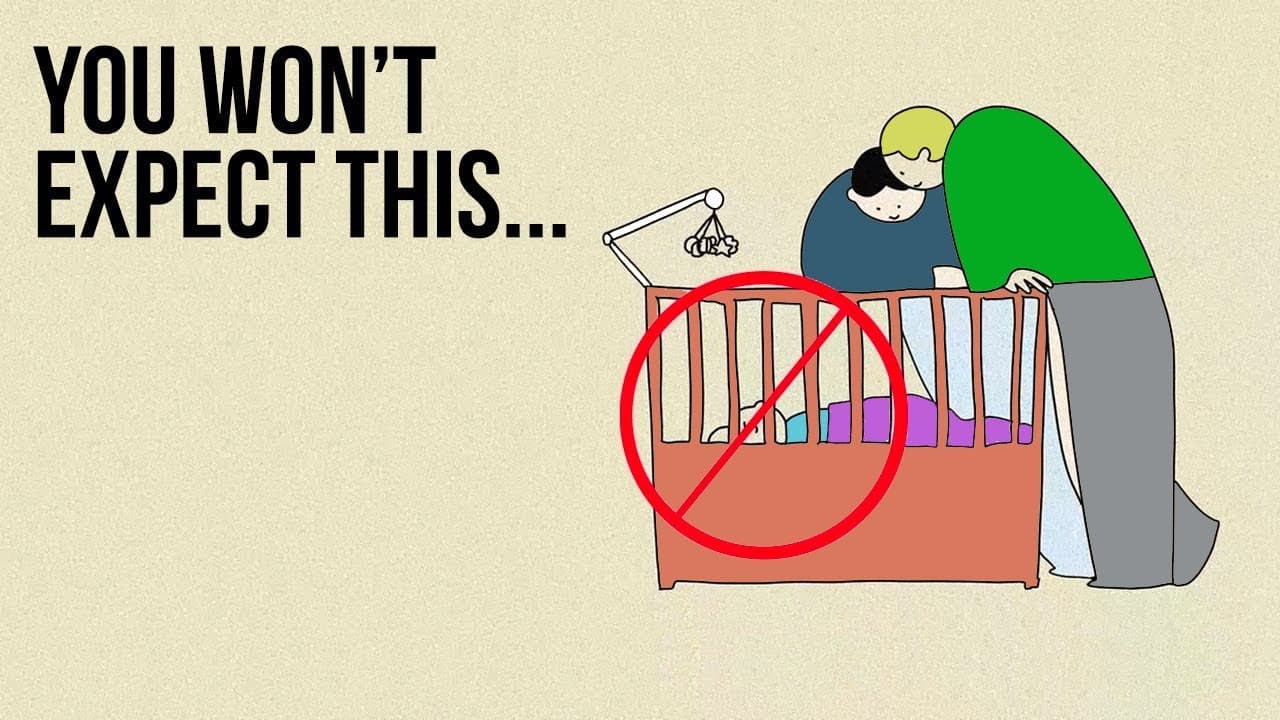
the moment babies are born their minds are dominated by a powerful implicit question what do I need to do in order to be loved we have to remember that babies are entirely at the mercy of the prevailing environment and therefore knowing what exactly the people in this environment want from them in exchange for keeping them alive is Central to their... Read More
Key Insights
- 🥰 The quest for love initiated at birth shapes a child's future personality and priorities significantly.
- 👪 Unconditional love from parents fosters authentic self-acceptance and creativity in children.
- 🥰 The requirement to succeed for love can lead to lifelong struggles with self-worth and anxiety in children.
- 😀 Some children may face dual pressures of succeeding and failing, complicating their relationships with self-esteem and achievement.
- 👪 Parents' disguised vulnerabilities can place undue burdens on children to compensate for their deficiencies.
- 🤳 The legacy of parental influence can manifest in advanced tendencies toward self-sabotage and depression.
- 🧑 Understanding these dynamics provides a framework for healing and compassion towards oneself as an adult.
Install to Summarize YouTube Videos and Get Transcripts
Explore YouTube Video Summarizer or Get YouTube Transcript Extractor
Questions & Answers
Q: What is the primary question that dominates a baby's mind at birth?
At birth, babies are preoccupied with the implicit question, "What do I need to do to be loved?" This foundational inquiry is driven by their survival instinct and need for nurturing from their caregivers, setting the stage for their emotional and psychological development throughout life.
Q: How does unconditional love impact a child's development?
When a parent communicates through unconditional love that a child doesn't need to do anything to earn affection, the child feels valued for their intrinsic nature. This support fosters self-acceptance and healthy relationships with others, allowing the child to explore their individuality without fear of rejection.
Q: What are the consequences of a child feeling they must succeed to be loved?
Children who learn they must succeed for love often face immense pressure to achieve, risking burnout and developing a constant need for external validation. This dynamic can lead them to exhaust themselves in a quest for approval, resulting in anxiety and diminished self-worth as they struggle with their identities.
Q: How do mixed messages from parents affect a child's perception of love?
When children receive conflicting messages from parents—being told to succeed while also feeling they should fail—they may become extremely confused about their self-worth. This discord can lead to anxiety and feelings of inadequacy, as they navigate the conflicting expectations without clear guidance or support.
Q: What is the third type of parental response regarding earning love?
The third parental response indicates that some children are taught to earn love through failure, as parents can feel threatened by their child's success. This dynamic can trap children in cycles of self-sabotage, where they might undermine their own accomplishments to avoid outshining their parents.
Q: Why is self-compassion important for individuals reflecting on their childhood experiences?
Self-compassion is vital for those who grapple with the implications of their childhood relationships. Recognizing the impact of parental expectations on their self-esteem and mental health enables individuals to heal from past wounds, fostering a healthier relationship with themselves and promoting emotional well-being.
Summary & Key Takeaways
-
Babies are born questioning what they must do to be loved, which significantly influences their development and adult priorities. Understanding these dynamics is crucial for nurturing healthy self-esteem.
-
Parental responses to a child's needs can take three forms: unconditional love, love based on achievement, and love contingent on failure, each resulting in distinct personality outcomes.
-
The complexities of parental expectations create a legacy that can lead to self-sabotage and psychological struggles, emphasizing the need for compassion towards oneself and childhood experiences.
Read in Other Languages (beta)
Share This Summary 📚
Summarize YouTube Videos and Get Video Transcripts with 1-Click
Try YouTube Summary with ChatGPT & Claude or YouTube Transcript Generator