Do Interceptors Truly Solve Plastic Pollution?
TL;DR
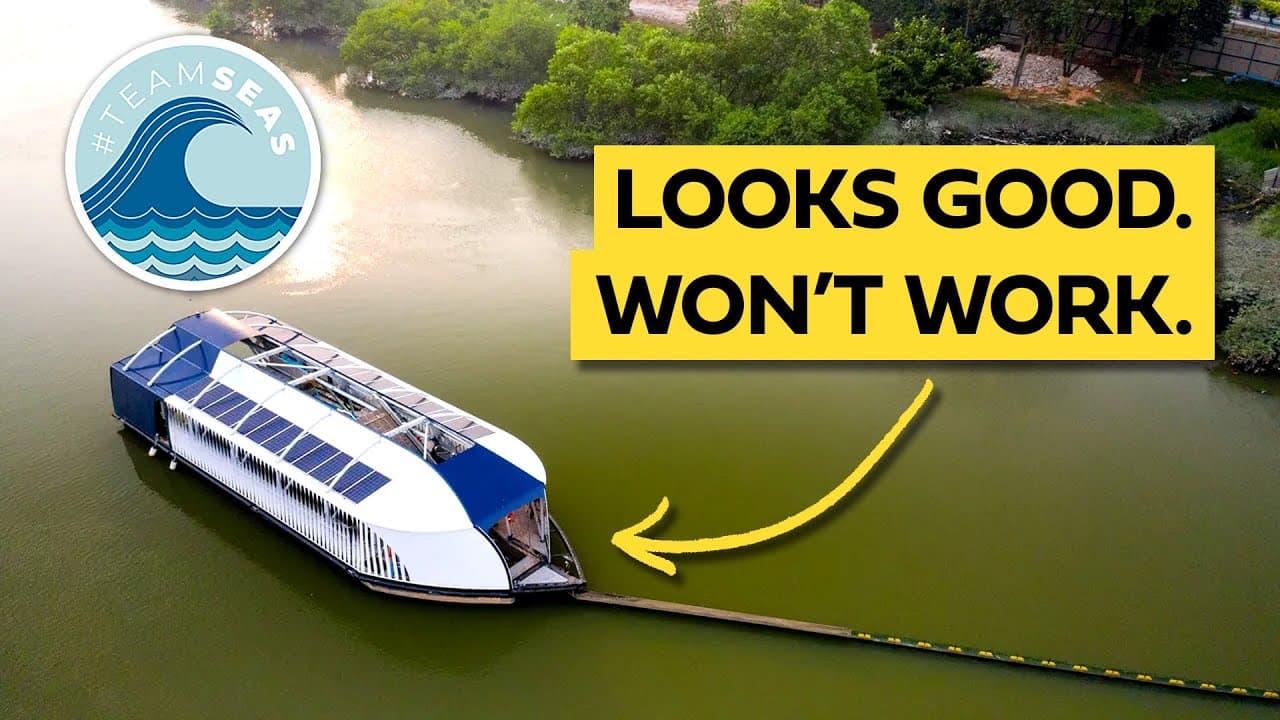
Interceptors used in the TeamSeas initiative primarily collect floating plastic from rivers, which is insufficient for tackling the broader plastic pollution crisis. Addressing the root causes and preventing plastic from entering waterways is essential for an effective solution, highlighting the need for tailored strategies and collaboration with experts.
Transcript
previously i made a video about team seas the initiative from mr beast and mark robert to raise 30 million to remove 30 million pounds of plastic pollution from the ocean the point of that video was a general overview of the project while offering a few criticisms something that i didn't talk about for the sake of brevity however was one of the key... Read More
Key Insights
- 🎚️ The interceptors used by the Ocean Cleanup as part of Team Seas are limited in their effectiveness due to their focus on surface-level cleanup.
- 🪛 Plastic pollution in rivers is diverse, and a one-size-fits-all solution like the interceptors may not adequately address the problem.
- 🗑️ Preventing plastic waste at its source through systemic changes is a more sustainable approach than relying solely on cleanup efforts.
- 📌 The effectiveness of solutions for plastic pollution depends on tailored strategies specific to geographic locations and the engagement of local communities.
- 👍 The Ocean Cleanup's emphasis on technology and new solutions may overshadow proven methods for reducing plastic waste.
- ❓ Transparency and collaboration with scientific organizations are crucial to developing effective strategies for combating plastic pollution.
- 💦 The Team Seas campaign, while well-intentioned, could have invested in more evidence-based and effective solutions by working with experts and organizations already addressing plastic pollution.
Install to Summarize YouTube Videos and Get Transcripts
Explore YouTube Video Summarizer or Get YouTube Transcript Extractor
Questions & Answers
Q: Are the interceptors an effective solution to plastic pollution in rivers?
While the interceptors collect plastic waste from rivers, they only address surface-level pollution, leaving submerged plastics and other forms of pollution unaddressed. Their effectiveness varies depending on the river and may not significantly reduce plastic pollution on a global scale.
Q: What are the limitations of the interceptors in addressing plastic pollution?
Due to the variability of plastic pollution in rivers, a one-size-fits-all approach with interceptors is not effective. Additionally, the focus on cleanup rather than prevention overlooks the larger issue of reducing plastic waste at its source.
Q: What are the potential impacts of interceptors on plastic pollution?
Intercepting plastic waste from rivers may have a limited impact on reducing ocean plastic pollution, as studies suggest that a majority of plastic waste remains within river ecosystems. Only a small percentage of plastic waste ends up in the ocean.
Q: What alternative solutions should be considered for tackling plastic pollution?
Instead of focusing solely on cleanup efforts, solutions should prioritize preventing plastic waste at its source. This includes reducing plastic usage, improving recycling and waste collection systems, and engaging with corporations and communities to promote sustainable practices.
Summary & Key Takeaways
-
Team Seas, led by Mr Beast and Mark Rober, aimed to raise money to remove 30 million pounds of plastic pollution from the ocean through the use of interceptors.
-
The interceptors are semi-autonomous vehicles that collect plastic waste from rivers, but they only address surface-level pollution and fail to prevent plastic from entering the oceans.
-
Plastic pollution in rivers varies greatly, and the effectiveness of interceptors depends on the specific river they are deployed on.
-
The ocean cleanup should prioritize preventing plastic waste at the source and consider alternative solutions that are tailored to specific geographic locations.
Read in Other Languages (beta)
Share This Summary 📚
Summarize YouTube Videos and Get Video Transcripts with 1-Click
Try YouTube Summary with ChatGPT & Claude or YouTube Transcript Generator
Explore More Summaries from Simon Clark 📚


Summarize YouTube Videos and Get Video Transcripts with 1-Click
Try YouTube Summary with ChatGPT & Claude or YouTube Transcript Generator