Judy Chicago and Jane Gerhard: Art Education and Popular Feminism || Radcliffe Institute
TL;DR
This content discusses the importance of feminist art and education, highlighting the work of artist Judy Chicago and historian Jane Gerhard. It explores the challenges and successes of feminist art movements and the need for feminist education in the art world.
Transcript
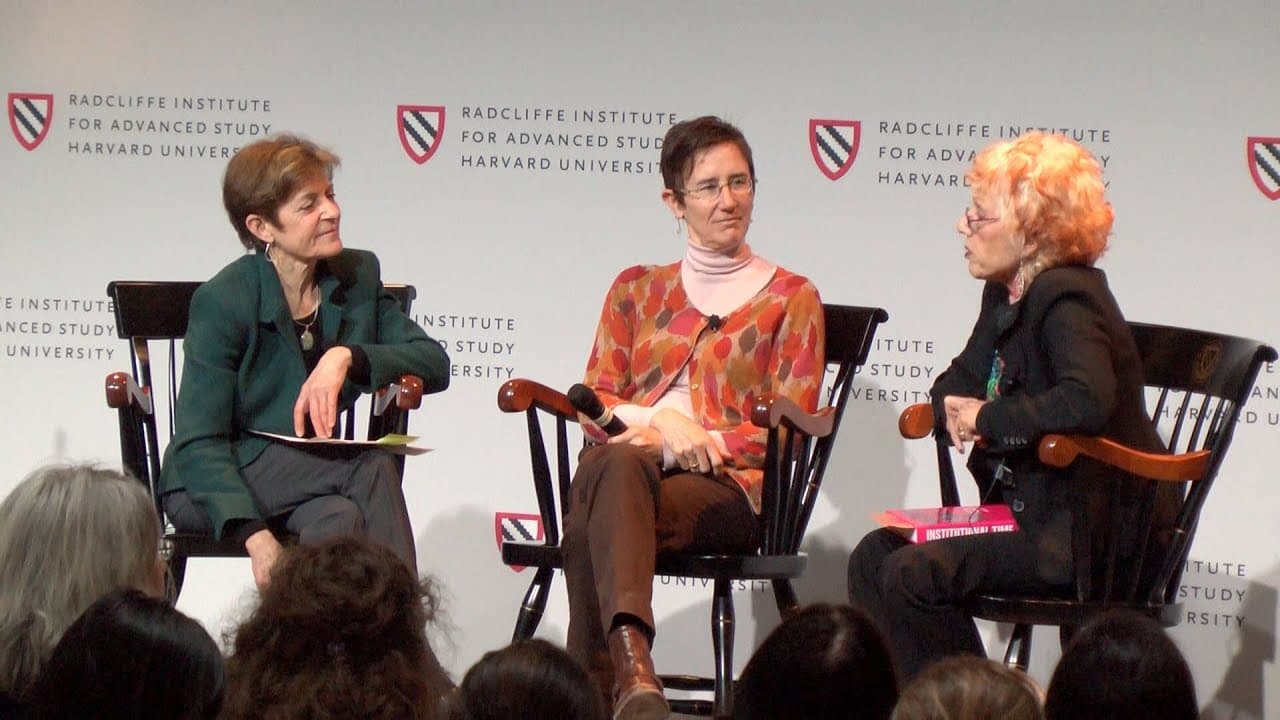
[MUSIC PLAYING] Hello, everybody. Welcome to the Radcliffe Institute. I'm Liz Cohen. I'm the Dean of the Radcliffe Institute and I'm delighted you're here. We're in for a very exciting conversation today between feminist, artist, activist, and educator, Judy Chicago, and historian, Jane Gerhard, which will be moderated by Nancy Cott, the Pforzheime... Read More
Key Insights
- 🌍 Judy Chicago's work, such as Woman House and The Dinner Party, challenged societal norms and advocated for gender equality in the art world.
- 👩🎨 Feminist art education empowered women artists to explore their own creativity and challenge traditional gender roles.
- 🥰 Feminist artists faced challenges in gaining recognition and representation in major art institutions.
- 🥰 Feminist art and education have evolved to address broader social and global issues, beyond just gender.
Install to Summarize YouTube Videos and Get Transcripts
Explore YouTube Video Summarizer or Get YouTube Transcript Extractor
Questions & Answers
Q: What is the importance of Judy Chicago's work in the feminist art movement?
Judy Chicago's work is of great importance in the feminist art movement as she challenged traditional gender roles and the exclusion of women in the art world. Her artwork, such as Woman House and The Dinner Party, helped redefine feminist art and bring attention to women's experiences and issues.
Q: How did feminist art education impact women artists?
Feminist art education provided women artists with opportunities to explore their own identity, creativity, and subject matter. It helped empower women to express themselves and challenge societal norms through art. Additionally, feminist art education created a supportive community for women artists to collaborate and network.
Q: What were the challenges faced by feminist artists during the 1970s and beyond?
Feminist artists faced numerous challenges, such as the exclusion of women's art from major museums and galleries, limited representation in art history, and resistance from the patriarchal art establishment. They struggled to have their work taken seriously and to gain recognition within the art world.
Q: How have feminist art and education evolved over time?
Feminist art and education have evolved in their focus and approaches. Initially, they emphasized gender and the experiences of women. However, they have expanded to address broader issues of social and global injustice. Feminist art and education now encompass a wide range of topics and perspectives, including race, sexuality, and intersectionality.
Summary & Key Takeaways
-
This content is a conversation between Liz Cohen, Judy Chicago, Jane Gerhard, and Nancy Cott, discussing the importance of feminist art and education.
-
The focus is on Judy Chicago's work as a feminist artist and the impact of her teaching techniques in promoting women's creativity.
-
It explores the challenges faced by feminist artists and the need for feminist education in the art world.
-
The conversation highlights the significance of Judy Chicago's work, such as Woman House and The Dinner Party, in challenging societal norms and advocating for gender equality.
Read in Other Languages (beta)
Share This Summary 📚
Summarize YouTube Videos and Get Video Transcripts with 1-Click
Try YouTube Summary with ChatGPT & Claude or YouTube Transcript Generator
Explore More Summaries from Harvard University 📚



Summarize YouTube Videos and Get Video Transcripts with 1-Click
Try YouTube Summary with ChatGPT & Claude or YouTube Transcript Generator