How Do Different Shot Sizes Affect Comic Book Storytelling?
TL;DR
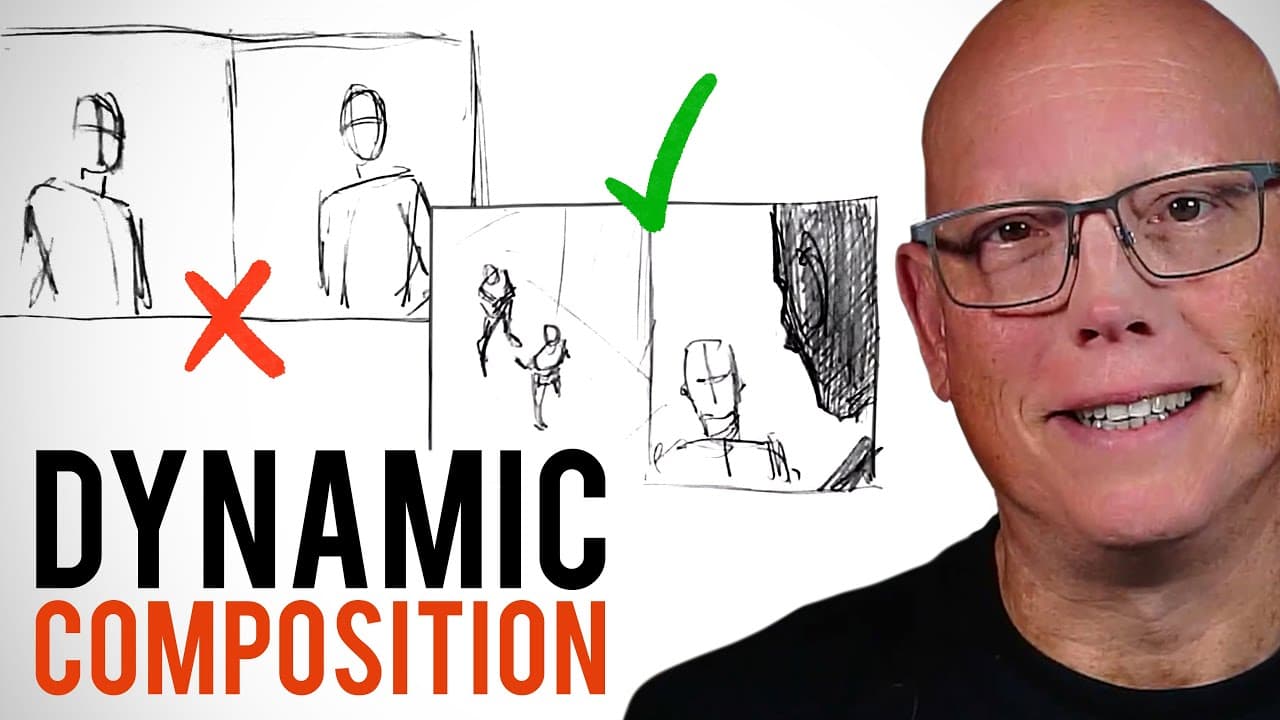
Using various shot sizes in comic book panels enhances storytelling by providing distinct emotional depths and perspectives. Establishing shots create context, medium close-ups capture character emotions, and close-ups reveal subtleties. These techniques, along with strategic camera angles, keep the narrative visually engaging and impactful.
Transcript
last time we discussed the basics of composition the rule of thirds and simple shape language to design our panels David Fincher and welcome back to my course on creating the comic book page as the artist we want to visualize the story unfolding from panel to panel in the most compelling and engaging way possible composing each panel the way cinema... Read More
Key Insights
- 📔 Composition techniques from cinematography can be effectively applied to comic book panels.
- 🙃 Shot sizes, such as establishing shots and close-ups, can reveal different levels of detail and emotions.
- 🔺 Camera angles, like low and high angles, can enhance the perception of characters and objects.
- 📏 The rule of thirds helps create visually balanced compositions.
- 💍 Varying storytelling techniques keeps the reader engaged and adds visual interest to the panels.
- 🎥 Different camera angles and shot sizes can evoke different emotional responses from the reader.
- 🆘 The 180 Rule helps maintain visual consistency and avoid confusion in panel transitions.
Install to Summarize YouTube Videos and Get Transcripts
Explore YouTube Video Summarizer or Get YouTube Transcript Extractor
Questions & Answers
Q: How does using different shot sizes in comic book panels enhance storytelling?
Different shot sizes allow for a better understanding of characters' emotions, actions, and surroundings, enhancing the overall storytelling experience. For example, close-ups can reveal subtleties that are not visible in larger shots.
Q: What is the significance of using different camera angles in comic book panels?
Camera angles, such as low or high angles, can influence how characters and objects are perceived by the reader. A low angle can make a character seem powerful or imposing, while a high angle can make them appear diminished or oppressed.
Q: How does the rule of thirds come into play in comic book composition?
The rule of thirds helps in creating a visually balanced composition by dividing the panel into three equal sections both horizontally and vertically. Placing elements of interest along these points or lines can make the composition more engaging.
Q: Why is it important to vary storytelling techniques in comic book panels?
Varying shot sizes, camera angles, and composition techniques keeps the reader visually engaged and prevents the story from becoming monotonous. It adds visual interest and helps convey different emotions and perspectives.
Key Insights:
- Composition techniques from cinematography can be effectively applied to comic book panels.
- Shot sizes, such as establishing shots and close-ups, can reveal different levels of detail and emotions.
- Camera angles, like low and high angles, can enhance the perception of characters and objects.
- The rule of thirds helps create visually balanced compositions.
- Varying storytelling techniques keeps the reader engaged and adds visual interest to the panels.
- Different camera angles and shot sizes can evoke different emotional responses from the reader.
- The 180 Rule helps maintain visual consistency and avoid confusion in panel transitions.
- Mastering composition techniques can greatly enhance the overall storytelling experience in comic books.
Summary & Key Takeaways
-
The video discusses the importance of composition in comic book panels, using techniques borrowed from cinematography.
-
It covers the use of different shot sizes, from establishing shots to close-ups, to showcase characters and their emotions.
-
The video also explores the impact of camera angles, such as low angle shots to make characters appear larger than life, and high angle shots to create a sense of oppression or sadness.
Read in Other Languages (beta)
Share This Summary 📚
Summarize YouTube Videos and Get Video Transcripts with 1-Click
Try YouTube Summary with ChatGPT & Claude or YouTube Transcript Generator
Explore More Summaries from Proko 📚
Summarize YouTube Videos and Get Video Transcripts with 1-Click
Try YouTube Summary with ChatGPT & Claude or YouTube Transcript Generator