How Can You Take Effective Book Notes?

TL;DR
To take effective book notes, follow a three-step method: annotate by marking important passages, export by writing key insights on note cards, and organize those cards by themes to uncover deeper connections. This process enhances retention and encourages original thought, ultimately promoting a better understanding of the material.
Transcript
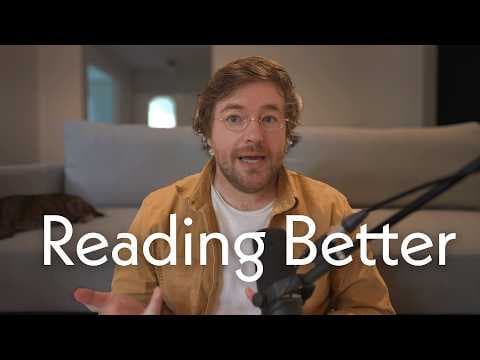
so I'm going to talk to you today about my method for taking better book notes this is not the method that I used while I was working on my PhD but it is the method that I wish I had used because since I have started using this method I have found that my workflow has been simplified but also I am retaining information better and I am able to make ... Read More
Key Insights
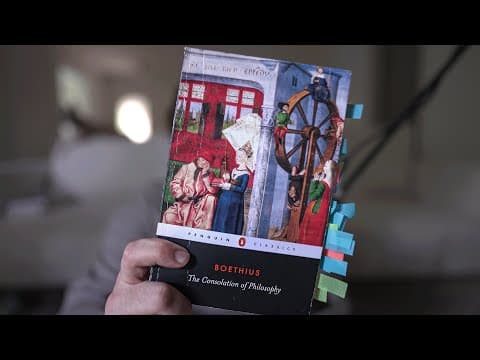
- 📔 Sticky notes serve as visual reminders of books that need proper note-taking and can be removed once the note-taking process is complete.
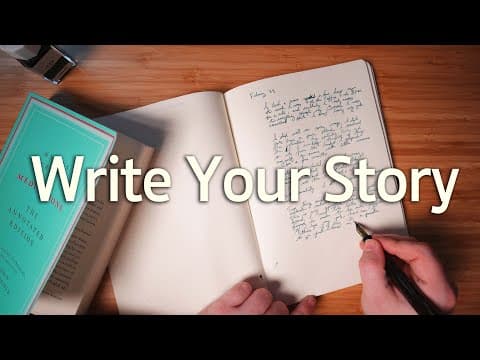
- 🤔 Writing notes by hand helps in understanding and retaining information, as it slows down the thought process and promotes deeper thinking.
- 💭 Note cards are essential for limiting the number of thoughts and can be grouped, organized, and adapted based on specific projects or objectives.
- 🎴 Digital tools can be used after the initial organization of note cards for efficient storage and discovery, but should not be used before synthesizing and understanding the content.
Install to Summarize YouTube Videos and Get Transcripts
Explore YouTube Video Summarizer or Get YouTube Transcript Extractor
Questions & Answers
Q: What are the three essential tools needed for this note-taking method?
The three essential tools are a book to read, something to write with (like a pencil or pen), and a stack of note cards.
Q: How does annotating the book help in taking better book notes?
Annotating allows you to mark what might be relevant to you in the future without trying to have great ideas right away. It helps in proper reading and better understanding of the text.
Q: Why is exporting the annotations onto note cards important?
Exporting the annotations onto note cards allows you to condense and summarize the most beneficial parts of the book, making it easier to review and find connections later on.
Q: When is the best time to start organizing the note cards?
It is recommended to organize the note cards after finishing the entire book to see broader connections between the text. Use blank note cards to write headers for themes and seed future ideas.
Key Insights:
- Sticky notes serve as visual reminders of books that need proper note-taking and can be removed once the note-taking process is complete.
- Writing notes by hand helps in understanding and retaining information, as it slows down the thought process and promotes deeper thinking.
- Note cards are essential for limiting the number of thoughts and can be grouped, organized, and adapted based on specific projects or objectives.
- Digital tools can be used after the initial organization of note cards for efficient storage and discovery, but should not be used before synthesizing and understanding the content.
- This note-taking system prioritizes true understanding and cultivating wisdom over hyper-efficiency, promoting a deeper connection with great texts and books.
Summary & Key Takeaways
-
The three steps of the note-taking method are: annotate, export, and organize.
-
Annotate the book by marking important parts with underlines, sticky notes, or marginal notes.
-
Export by transferring the annotated passages, quotes, or lines onto note cards, adding your own thoughts or summaries.
-
Organize the note cards by grouping them based on themes or connections to find deeper insights.
Read in Other Languages (beta)
Share This Summary 📚
Summarize YouTube Videos and Get Video Transcripts with 1-Click
Try YouTube Summary with ChatGPT & Claude or YouTube Transcript Generator
Explore More Summaries from Jared Henderson 📚



Summarize YouTube Videos and Get Video Transcripts with 1-Click
Try YouTube Summary with ChatGPT & Claude or YouTube Transcript Generator