Why China Will be the Big Winner of the 2020 Crisis
TL;DR
China may emerge stronger from the 2020 crisis due to strategic economic positioning.
Transcript
this is China what is still the world's foremost industrial economy has apparently been knocked down a peg or two as it's emerged into the new decade there has been wild speculation about companies divesting from the country as a response to the critical flaws and supply chains that have been brought to light because of this crisis the world today ... Read More
Key Insights
- China remains a crucial player in global manufacturing, with many companies relying on its cost-effective production capabilities despite the crisis.
- Speculation about companies leaving China may be more about wishful thinking than economic reality, as China's economic fundamentals remain strong.
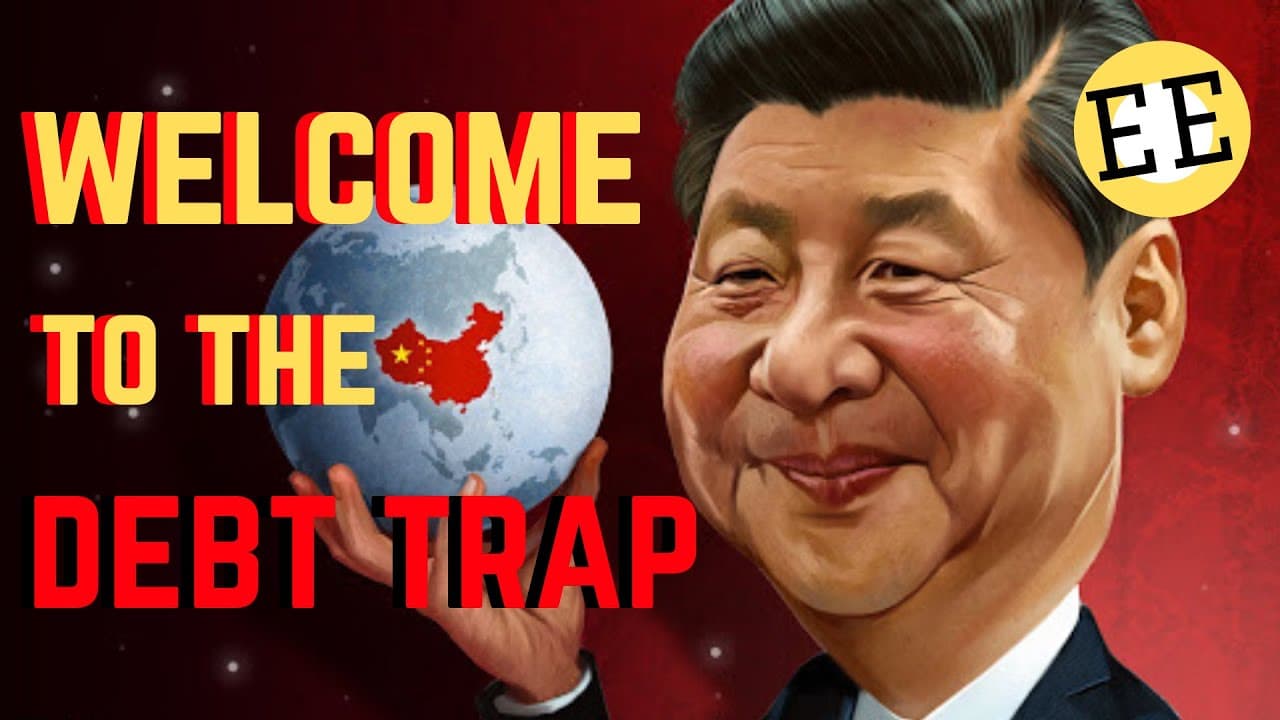
- China's strategic investments in developing countries through debt trap diplomacy could strengthen its global economic influence.
- The middle-income trap poses a challenge for China, but its investment strategies and large labor pool may mitigate this risk.
- China's ability to quickly enact economic policies due to government control could give it an advantage during global economic downturns.
- The environmental regulations relaxation in China may be a tactic to project industrial activity rather than a genuine economic boost.
- China's foreign currency reserves and lending portfolio position it to capitalize on the global economic downturn by acquiring valuable assets.
- Despite challenges, China's economic data and strategic moves suggest it may not be as adversely affected as other nations.
Install to Summarize YouTube Videos and Get Transcripts
Explore YouTube Video Summarizer or Get YouTube Transcript Extractor
Questions & Answers
Q: Why is China considered a critical player in global manufacturing?
China is considered a critical player in global manufacturing due to its cost-effective production capabilities, extensive infrastructure, and large labor pool. These factors make it an attractive location for companies seeking to manufacture goods efficiently and economically. Despite the 2020 crisis, China's manufacturing sector remains vital to the global economy, as many companies continue to rely on its robust supply chains.
Q: What is debt trap diplomacy, and how does China use it?
Debt trap diplomacy refers to a strategy where a country extends loans to another country, often for infrastructure projects, with the expectation that the borrower may struggle to repay. China uses this strategy by investing in developing countries, particularly in Africa and Asia, to build infrastructure. When these countries face difficulties repaying their debts, China can claim ownership of key assets, thus expanding its influence and control over critical infrastructure globally.
Q: How does the middle-income trap affect China's economy?
The middle-income trap occurs when a country's economy stagnates after reaching a certain income level, unable to transition to a high-income status due to rising labor costs and loss of competitive advantage. For China, this presents a challenge as its workforce demands higher wages, potentially reducing its competitiveness as a manufacturing hub. However, China's investments in foreign infrastructure and its large domestic market may help mitigate the risks associated with this trap.
Q: What role do environmental regulations play in China's economic strategy?
Environmental regulations in China have been temporarily relaxed to stimulate industrial activity amidst the 2020 crisis. This move is intended to boost manufacturing output by allowing factories to operate with fewer restrictions. However, this strategy may also serve to project an image of increased industrial activity to external observers, as emissions are often used as an indicator of economic performance. This approach highlights China's willingness to prioritize economic recovery over environmental concerns.
Q: How might China's foreign currency reserves impact its economic position during the crisis?
China's substantial foreign currency reserves provide it with a financial buffer and the ability to invest strategically during the global economic downturn. These reserves enable China to acquire valuable assets and make strategic investments in other countries, potentially enhancing its economic influence. By leveraging its reserves, China can stabilize its economy and position itself advantageously in the post-crisis global market, potentially emerging stronger than other nations.
Q: What are the potential consequences of China's debt trap diplomacy for developing countries?
For developing countries, China's debt trap diplomacy can lead to significant consequences. When these countries struggle to repay their debts to China, they may be forced to cede control of critical infrastructure, such as ports and railways, to Chinese entities. This can result in increased Chinese influence over the country's economy and reduced sovereignty. Additionally, it may lead to long-term economic dependency on China, limiting the country's ability to pursue independent economic policies.
Q: How does China's economic data reliability impact its global perception?
China's economic data reliability is often questioned, affecting its global perception. During crises, such as the 2020 economic downturn, skepticism about the accuracy of China's reported economic indicators can lead to uncertainty among international investors and policymakers. This skepticism may influence global economic decisions and strategies, as stakeholders seek more reliable data sources to assess China's true economic condition and its impact on the global economy.
Q: What strategic advantages does China's government control provide during economic downturns?
China's government control offers strategic advantages during economic downturns by enabling rapid policy implementation and economic adjustments. The government's ability to manage exchange rates, support state-owned enterprises, and dictate economic activities allows for swift responses to economic challenges. This centralized control can stabilize the economy more effectively than in countries with less centralized governance, potentially providing China with a competitive edge during global economic crises.
Summary & Key Takeaways
-
China's role as a global manufacturing hub remains critical, and despite the 2020 crisis, it may emerge stronger due to strategic economic positioning and investments. Its control over supply chains and influence in developing countries through debt trap diplomacy could bolster its global standing.
-
While the middle-income trap presents challenges, China's large labor pool and investment in foreign infrastructure projects may help it navigate these issues. The relaxation of environmental regulations might be a strategy to project industrial activity, but China's economic fundamentals remain robust.
-
China's foreign currency reserves and strategic investments position it to capitalize on the global economic downturn by acquiring valuable assets. Despite global economic challenges, China's data and strategic moves suggest it may not be as adversely affected as other nations.
Read in Other Languages (beta)
Share This Summary 📚
Summarize YouTube Videos and Get Video Transcripts with 1-Click
Try YouTube Summary with ChatGPT & Claude or YouTube Transcript Generator
Explore More Summaries from Economics Explained 📚





Summarize YouTube Videos and Get Video Transcripts with 1-Click
Try YouTube Summary with ChatGPT & Claude or YouTube Transcript Generator