Debunking Anti-Vaxxers
TL;DR
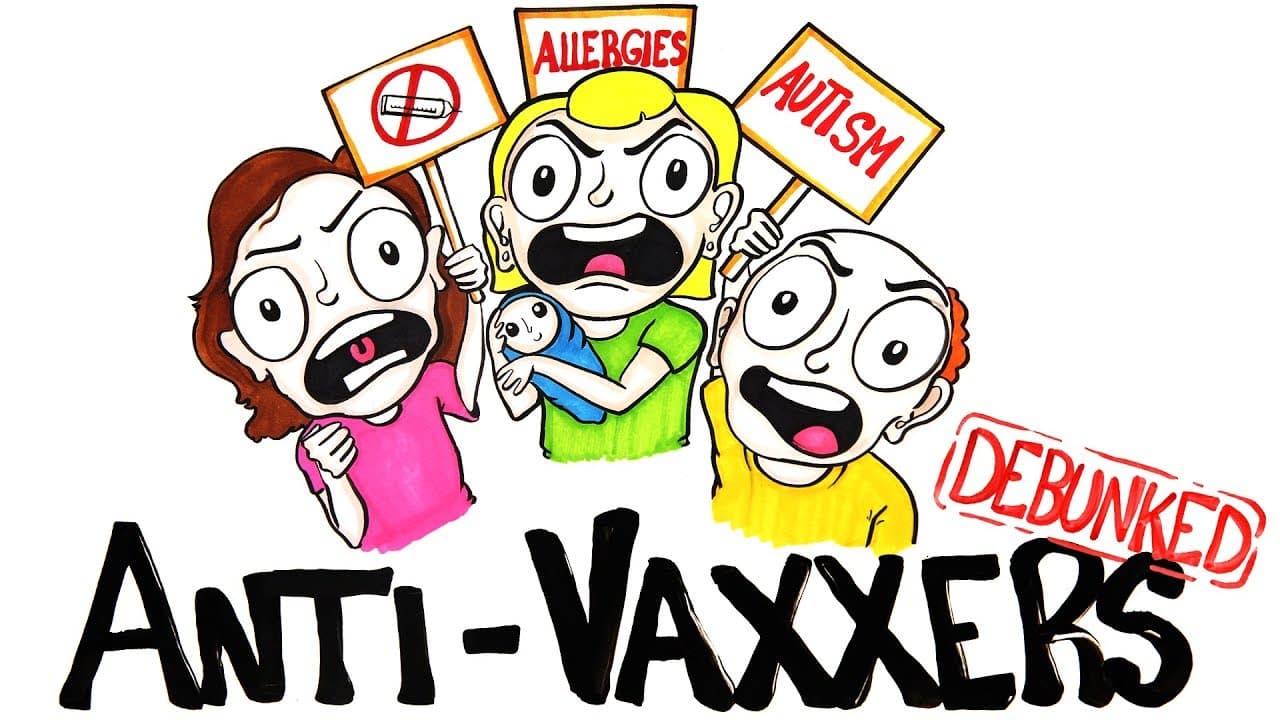
This content debunks common anti-vaccine arguments by providing scientific evidence and addressing misconceptions.
Transcript
The number of people that are against vaccinating themselves and their children has surged in recent years, and it can be frustrating listening to their claims. So we wanted to debunk and deconstruct the most common arguments one by one to help you prepare and present the facts in your next encounter with an anti-vaxxer. Argument 1: "Why I Do Not V... Read More
Key Insights
- ✳️ Vaccine ingredients pose negligible risks compared to everyday exposure to chemicals.
- ❓ Vaccines complement natural immunity by protecting against diseases without natural defenses.
- 😣 Vaccines have successfully eradicated diseases and prevented severe complications.
- 🛄 The claim of vaccines causing allergies is unfounded, as they provide a protective effect.
- 🍝 Vaccine-preventable diseases have caused significant harm and deaths in the past.
- 👨🔬 The autism-vaccine link is based on a discredited study; extensive research has disproven it.
- ❓ Vaccination is not just an individual choice; it protects vulnerable populations.
Install to Summarize YouTube Videos and Get Transcripts
Explore YouTube Video Summarizer or Get YouTube Transcript Extractor
Questions & Answers
Q: Do vaccines contain toxic chemicals?
While vaccines do contain chemicals, the doses of these substances are negligible and comparable to what we encounter daily through food and drink, making them safe.
Q: Are vaccines necessary if newborns have natural immunity?
Newborns do receive some immunity from their mother's breast milk and exposure to germs, but vaccines cover additional diseases that newborns are not immune to, reducing the risk of severe illness or death.
Q: Can vaccines cause allergies?
Research studies have shown that vaccines have a protective effect against allergies, contradicting the claim that vaccines increase the risk of allergies.
Q: Are vaccine-preventable diseases really that dangerous?
Vaccines have greatly reduced the impact of many diseases. Without vaccines, diseases like smallpox, polio, rubella, and measles caused widespread deaths, disabilities, and miscarriages.
Q: Is there a link between vaccines and autism?
The claim that vaccines cause autism is based on a fraudulent study that has been extensively debunked. Numerous research papers involving large population studies have discredited this claim.
Q: Should parents have the choice to vaccinate their children?
Vaccinating not only protects individuals but also helps prevent the spread of diseases to vulnerable populations. Vaccination is a public health issue, and herd immunity benefits society as a whole.
Q: Are pharmaceutical companies solely motivated by profits?
While pharmaceutical companies do profit from vaccine sales, they are highly regulated. Vaccines undergo extensive testing and monitoring, and the net savings from vaccination far outweigh the costs.
Summary & Key Takeaways
-
Vaccines contain small amounts of chemicals, but the doses are negligible compared to what we ingest through food and drink daily.
-
Vaccines provide immunity against diseases that our bodies don't naturally have defenses against, offering protection during vulnerable stages of life.
-
Vaccines have been instrumental in eradicating deadly diseases and preventing serious complications and deaths.
Read in Other Languages (beta)
Share This Summary 📚
Summarize YouTube Videos and Get Video Transcripts with 1-Click
Try YouTube Summary with ChatGPT & Claude or YouTube Transcript Generator
Explore More Summaries from AsapSCIENCE 📚




Summarize YouTube Videos and Get Video Transcripts with 1-Click
Try YouTube Summary with ChatGPT & Claude or YouTube Transcript Generator