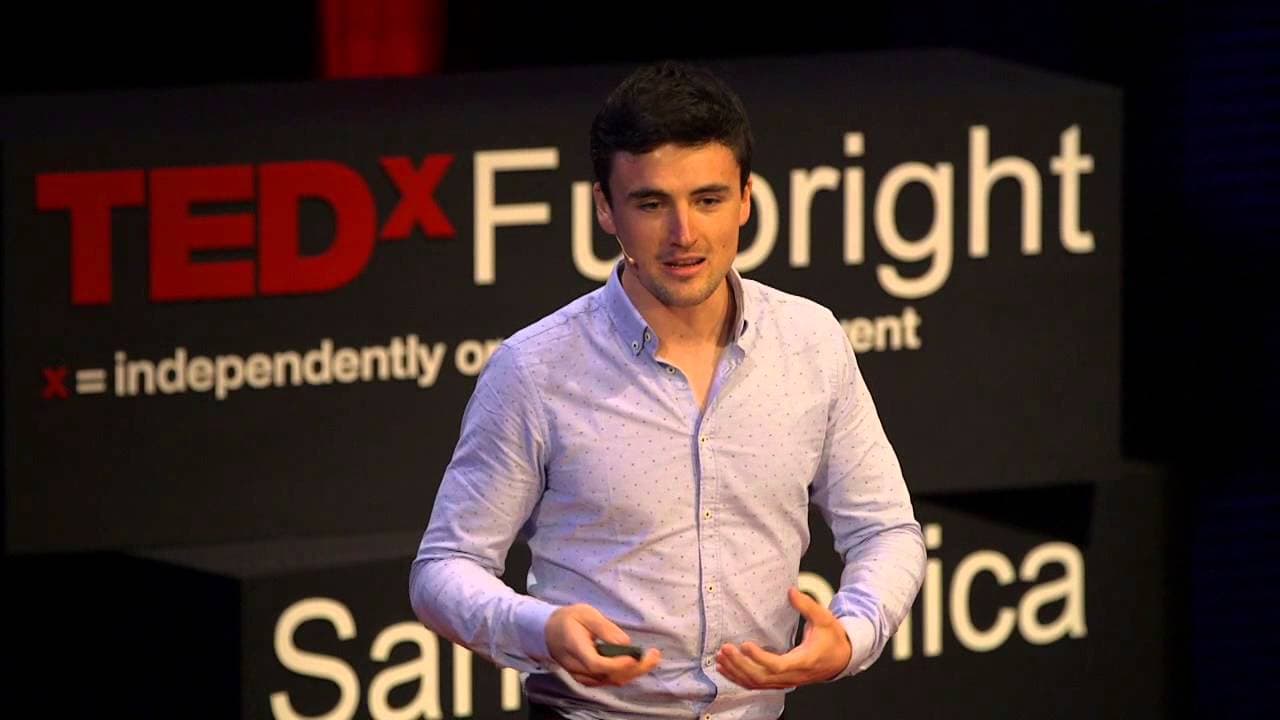
Food for thought: How your belly controls your brain | Ruairi Robertson | TEDxFulbrightSantaMonica
TL;DR
Our gut microbes significantly influence our brain and overall health.
Transcript
Translator: Rhonda Jacobs Reviewer: Ellen Maloney Imagine this... You have just won ten million dollars in the lottery. Congratulations. (Laughter) You have just eaten the most delicious, warm, chocolate brownie that has ever been baked. (Laughter) You... have just had sex. (Laughter) And you... have just done all three at the same time. Congratula... Read More
Key Insights
- The gut microbiota is an organ as significant as the brain, influencing both physical and mental health.
- Our intestines host a diverse ecosystem of bacteria, essential for digestion, vitamin production, and immune response.
- Historical neglect of gut bacteria due to antibiotics and C-sections has increased modern health issues.
- Ilya Mechnikov's early research suggested gut bacteria are crucial for health, though his ideas were initially overlooked.
- The gut-brain axis involves physical connections and biochemical signals, with the vagus nerve playing a key role.
- Most neurotransmitters, like serotonin, are produced in the gut, affecting mood and behavior.
- Diet and lifestyle heavily influence gut bacteria, impacting conditions like obesity, diabetes, and mental health.
- Restoring our relationship with gut bacteria through diet and reduced antibiotic use can improve health outcomes.
Install to Summarize YouTube Videos and Get Transcripts
Explore YouTube Video Summarizer or Get YouTube Transcript Extractor
Questions & Answers
Q: What is the significance of the gut microbiota?
The gut microbiota is a crucial organ that influences both physical and mental health. It consists of a diverse ecosystem of bacteria that aid digestion, vitamin production, and immune response. The balance of these microbes can significantly affect the risk of diseases like obesity, diabetes, and even mental health conditions.
Q: How does the gut-brain connection work?
The gut-brain connection involves physical and biochemical pathways, with the vagus nerve playing a central role. This nerve links the intestines to the brain, allowing bidirectional communication. Additionally, gut microbes produce neurotransmitters such as serotonin, which influence mood and behavior, demonstrating the profound impact of gut health on brain function.
Q: What historical factors have affected our gut microbiota?
Historically, practices such as overuse of antibiotics and the rise in C-sections have negatively impacted our gut microbiota. These interventions disrupted the natural balance of gut bacteria, contributing to an increase in modern health issues like obesity, asthma, and immune deficiencies. Restoring this balance is crucial for improving health outcomes.
Q: Who was Ilya Mechnikov and what was his contribution to gut health research?
Ilya Mechnikov was a pioneering scientist who discovered the role of phagocytes and won a Nobel Prize in 1908. He later proposed that gut bacteria are essential for human health, suggesting that the right balance of microbes could stave off disease. Although initially overlooked, his ideas laid the groundwork for modern research on the gut microbiome.
Q: How does diet influence the gut microbiome?
Diet plays a significant role in shaping the gut microbiome. The types of fats and nutrients consumed can alter the composition and function of gut bacteria, impacting health outcomes. Foods that act as prebiotics can stimulate the growth of beneficial bacteria, enhancing gut health and potentially preventing chronic diseases.
Q: What are some potential health strategies involving the gut microbiome?
Future health strategies may focus on targeting the gut microbiome to prevent and treat chronic diseases. This includes dietary interventions, reducing unnecessary antibiotic use, and promoting gut-friendly lifestyles. By enhancing the gut microbiota, we can improve physical and mental health, aligning with Ilya Mechnikov's vision of prolonging healthy human life.
Q: What role do neurotransmitters play in the gut-brain axis?
Neurotransmitters like serotonin, primarily produced in the gut, play a crucial role in the gut-brain axis. These chemicals influence mood, behavior, and cognitive functions. The presence and balance of gut bacteria significantly affect neurotransmitter production, highlighting the importance of a healthy microbiome for optimal brain function.
Q: Why is the gut referred to as a 'second brain'?
The gut is called a 'second brain' due to its extensive network of neurons and its ability to function independently of the brain. It produces neurotransmitters and communicates with the brain through the vagus nerve. This connection influences mood, behavior, and overall health, demonstrating the gut's critical role in our physiological processes.
Summary & Key Takeaways
-
Ruairi Robertson highlights the importance of gut bacteria, comparing it to a second brain influencing our health. He discusses how historical practices like antibiotics and C-sections have impacted our microbiota, leading to modern health issues. Robertson emphasizes the need to restore our relationship with gut microbes for better health.
-
The talk explores the gut-brain connection, detailing how gut bacteria produce neurotransmitters that affect our mood and behavior. Robertson presents evidence that a healthy gut microbiome can prevent diseases and improve mental health, suggesting dietary interventions as a potential solution.
-
Ilya Mechnikov's early 20th-century research on gut bacteria's health benefits is revisited. Robertson argues for the importance of understanding and nurturing our microbiota, suggesting that future health strategies should focus on enhancing gut health to combat chronic diseases and improve overall well-being.
Read in Other Languages (beta)
Share This Summary 📚
Summarize YouTube Videos and Get Video Transcripts with 1-Click
Try YouTube Summary with ChatGPT & Claude or YouTube Transcript Generator
Explore More Summaries from TEDx Talks 📚





Summarize YouTube Videos and Get Video Transcripts with 1-Click
Try YouTube Summary with ChatGPT & Claude or YouTube Transcript Generator