How art can manipulate you into being empathetic | Guy Godfree | TEDxPugwash
TL;DR
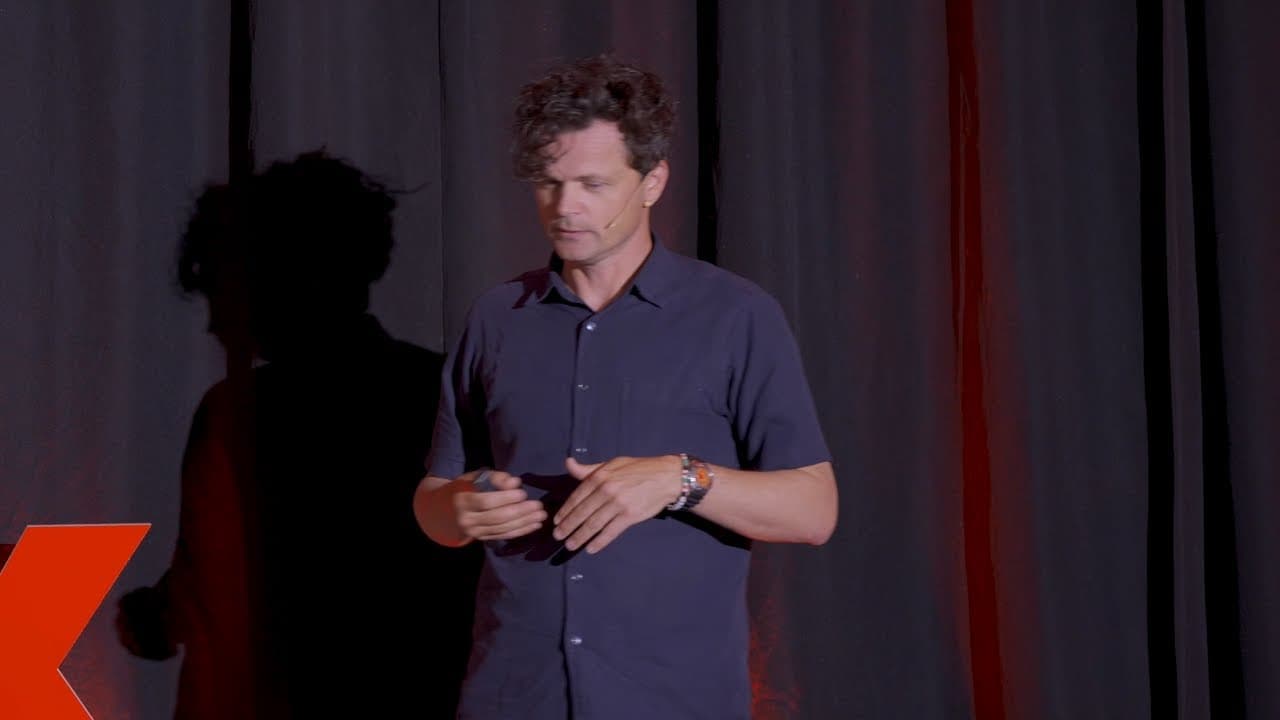
The speaker emphasizes the importance of narrative perspective in storytelling to foster empathy and understanding.
Transcript
good morning um it's true if we take a short walk through the village of pugwash from where we are uh today uh we'll find three places that play a significant part in the early part of My Life um I was born in pugwash hospital uh and I graduated from pugwash District High School and I also attended Cyrus seatan Elementary School now it was in eleme... Read More
Key Insights
- 🔇 The speaker's experience with childhood bullying helped shape their understanding of empathy and narrative complexity, emphasizing the role of context in human behavior.
- ❓ As a cinematographer, they prioritize how visual elements influence narrative storytelling, recognizing the responsibility to represent stories respectfully.
- 😤 Team collaboration and diverse viewpoints are essential in filmmaking, ensuring authentic storytelling and strong representation of underrepresented voices.
- 🦮 The concept of narrative perspective guides creative decisions, impacting audience perceptions of characters and their journeys within stories.
- 💦 The speaker discusses their work on various culturally sensitive projects, highlighting the importance of consulting with relevant communities and stakeholders.
- 🥺 Understanding the storyteller's own biases and experiences can significantly affect the narratives they create and the characters they portray, leading to more authentic storytelling.
- 🇨🇫 Curiosity and empathy are central to successful storytelling, encouraging engagement with diverse perspectives and a deeper understanding of complex issues.
Install to Summarize YouTube Videos and Get Transcripts
Explore YouTube Video Summarizer or Get YouTube Transcript Extractor
Questions & Answers
Q: What formative experience did the speaker share from their childhood?
The speaker recounted being bullied in elementary school, which culminated in a physical confrontation. Afterward, their mother encouraged them to contemplate the bully's difficult home life, fostering their understanding of the complexities of human behavior and guiding their personal growth.
Q: How does the speaker define their role as a cinematographer?
As a cinematographer, the speaker focuses on visual language, emphasizing how camera work and lighting shape a narrative. Their collaborative process involves closely working with directors and teams to convey the intended emotional and dramatic elements of a story, reflecting a deep understanding of narrative perspective.
Q: Why is narrative perspective important in storytelling?
Narrative perspective is vital as it influences how a story is perceived, determining who is seen as the hero or villain. Through considering various perspectives, storytellers can create richer, more nuanced narratives that encourage empathy and challenge biases, ultimately reshaping audience understanding.
Q: How did the speaker approach the narrative of the miniseries about the 60s scoop?
In the miniseries about the 60s scoop, the speaker collaborated with indigenous creators and survivors, ensuring that the story was told from the perspective of those directly affected, rather than the social workers responsible for the displacements, thereby honoring their experiences and promoting authenticity.
Q: What realization did the speaker have regarding their portrayal of domestic abuse in a series?
While working on a series about domestic abuse, the speaker questioned the portrayal's intensity but later understood that subtlety resonated more with audiences. This highlighted how personal experiences and biases can shape storytelling, stressing the need for empathy in representations of universal issues.
Q: What challenges does the speaker identify regarding biases in storytelling?
The speaker notes that biases can stem from personal experiences and societal influences, making it crucial to work consciously to reduce them. This involves recognizing one's limitations and showing curiosity about different viewpoints to expand understanding, rather than reinforcing narrow narratives.
Summary & Key Takeaways
-
The speaker reflects on their experience with bullying in elementary school and how their mother helped them understand the bully's background, opening their perspective on human behavior.
-
They work as a cinematographer, highlighting the significant role of narrative perspective in crafting stories that resonate with audiences, including ethical considerations in representing real-life subjects.
-
The speaker discusses their work on various projects, including collaborations with indigenous storytellers, to ensure respectful and authentic portrayals, promoting empathy through storytelling.
Read in Other Languages (beta)
Share This Summary 📚
Summarize YouTube Videos and Get Video Transcripts with 1-Click
Try YouTube Summary with ChatGPT & Claude or YouTube Transcript Generator
Explore More Summaries from TEDx Talks 📚
Summarize YouTube Videos and Get Video Transcripts with 1-Click
Try YouTube Summary with ChatGPT & Claude or YouTube Transcript Generator