How to Build Explosive Power for Sports
TL;DR
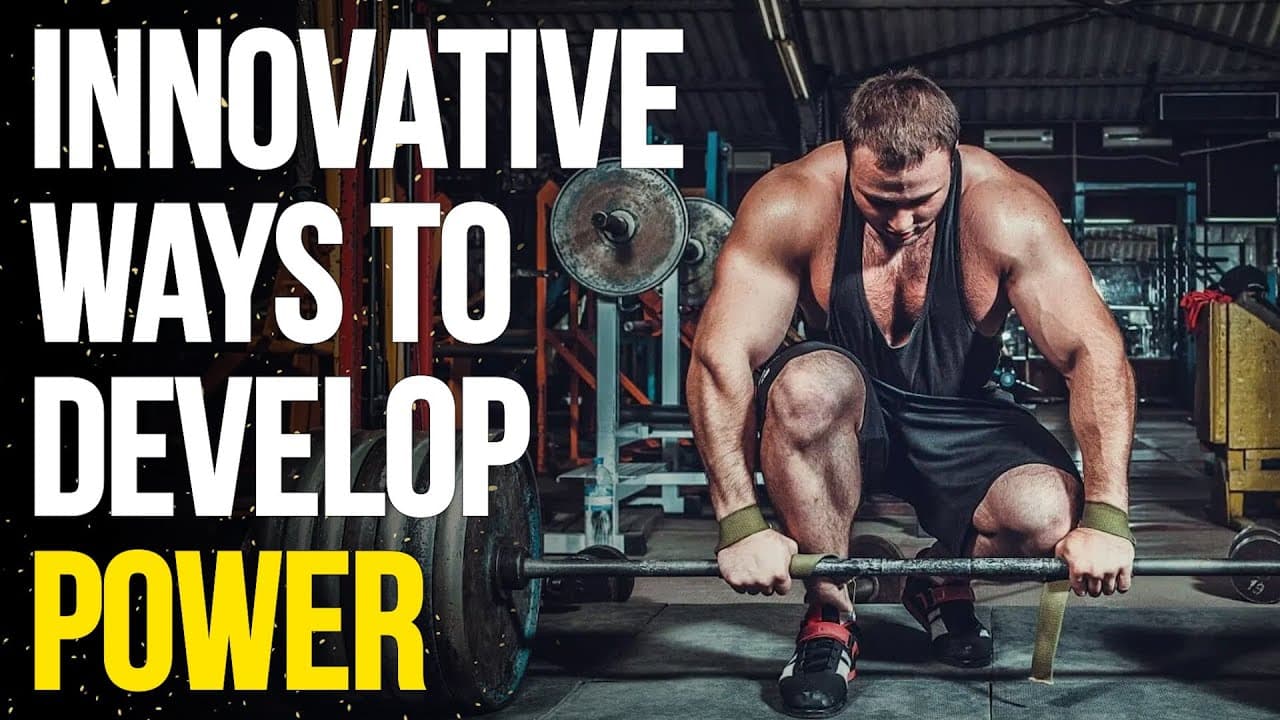
To enhance power, focus on exercises that combine strength with speed, using sub-maximal loads and ample rest between sets. Avoid training to fatigue; instead, aim for explosive movements like kettlebell throws. Practicing specific event techniques, such as those in the Highland Games, also helps improve power and performance.
Transcript
are you strong but not fast do you want to build power listen to this our next caller is christina from california hey christina how can we help you hi um i have a question i've been doing some workouts on my own recently i used to go to a gym but it got closed during um the pandemic and i'm noticing that i am losing out on power and i think it's b... Read More
Key Insights
- Power is strength executed quickly, requiring specific training methods.
- Training for power involves sub-maximal loads and explosive movements.
- Rest is crucial between sets to maximize power output and effectiveness.
- Event-specific techniques, like those in the Highland Games, enhance power.
- Strength contributes to power but doesn't replace speed training.
- Fatigue is detrimental to power training; avoid combining with endurance.
- Kettlebell exercises can simulate event-specific power training.
- Third or fourth attempts in power exercises often yield the best results.
Install to Summarize YouTube Videos and Get Transcripts
Explore YouTube Video Summarizer or Get YouTube Transcript Extractor
Questions & Answers
Q: How to train for explosive power?
Training for explosive power involves using sub-maximal loads and focusing on speed rather than maximum strength. Exercises should be performed with explosive intent, and ample rest is crucial between sets to ensure maximum power output. Avoid training to fatigue and incorporate movements like kettlebell throws to simulate event-specific power training.
Q: What is the difference between power and strength?
Power is the ability to exert strength quickly, while strength is the maximum force a muscle can produce. Power training focuses on speed and explosive movements, often using lighter loads than strength training. Strength contributes to power, but specific speed training is essential for maximizing power output.
Q: Why is rest important in power training?
Rest is crucial in power training because it allows the body to recover and prepare for maximum force exertion in subsequent attempts. Without adequate rest, performance diminishes, and the first attempt might be the best. Proper rest ensures that subsequent attempts improve, optimizing power development.
Q: How can kettlebell exercises enhance power?
Kettlebell exercises enhance power by simulating explosive movements required in specific sports or competitions. They allow for dynamic training, focusing on hip hinging and snapping power, which are essential for events like the Highland Games. Kettlebells also help in developing coordination and timing for power execution.
Q: What role does technique play in power development?
Technique is vital in power development as it ensures the efficient execution of movements, maximizing force output. Proper technique helps in optimizing body positioning and release during explosive actions like throws, enhancing performance in sports such as the Highland Games, where precision and power are crucial.
Q: How does strength contribute to power?
Strength contributes to power by providing the foundation of force that can be executed quickly. However, to fully develop power, training must incorporate speed and explosive movements. While strength is necessary, specific power exercises focus on rapid execution and coordination to maximize performance.
Q: What are the benefits of event-specific power training?
Event-specific power training tailors exercises to the demands of particular sports or competitions, enhancing performance. It involves practicing techniques and movements relevant to the event, improving coordination, timing, and explosive power. This approach ensures athletes are well-prepared for the specific challenges they will face.
Q: Why should power training avoid fatigue?
Power training should avoid fatigue because it hinders the ability to exert maximum force quickly. Fatigue reduces performance and increases the risk of injury. By focusing on explosive movements with adequate rest, athletes can maintain high power output and improve overall effectiveness in power development.
Summary & Key Takeaways
-
To develop power, combine strength with speed using sub-maximal loads and ensure ample rest between sets. Avoid training to fatigue and focus on explosive movements like kettlebell throws. Practicing specific event techniques can further enhance power and performance, especially for competitions like the Highland Games.
-
Power training requires a different approach than strength training. While strength contributes to power, specific exercises that focus on speed and explosive movements are essential. Rest is crucial to allow the body to recover and exert maximum force in subsequent attempts, improving overall performance.
-
Understanding the difference between power and strength is key to effective training. Power involves quick execution of strength, and exercises should be designed to enhance this quality. Techniques specific to sports or competitions, combined with proper rest and explosive movements, can significantly boost power.
Read in Other Languages (beta)
Share This Summary 📚
Summarize YouTube Videos and Get Video Transcripts with 1-Click
Try YouTube Summary with ChatGPT & Claude or YouTube Transcript Generator
Explore More Summaries from Mind Pump Show 📚




Summarize YouTube Videos and Get Video Transcripts with 1-Click
Try YouTube Summary with ChatGPT & Claude or YouTube Transcript Generator