Why Microtransactions SUCK in Single Player Games
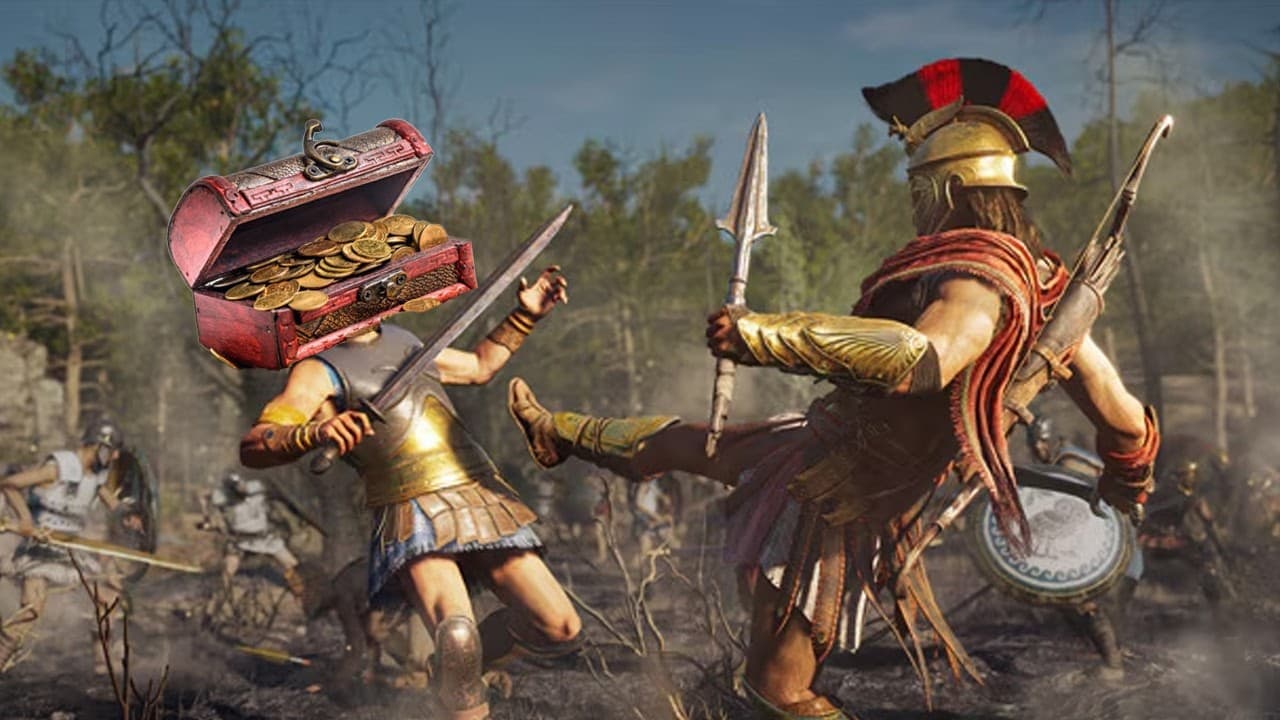
TL;DR
Microtransactions in single-player games undermine enjoyment and fair play.
Transcript
(electronic beeping) - [Falcon] Imagine if Elden Ring had microtransactions. There's a Store Page right there on the menu. There's a Battle Pass and a rotating inventory of items to buy. There's an Experience Booster that makes it so you get runes faster. Hey, you can just buy runes directly if you want to. There's even an unbreakable, sacrificial ... Read More
Key Insights
- 👾 Microtransactions can severely undermine the essence of single-player games, replacing earned achievements with purchased power, which creates frustration among players.
- 🎮 The introduction of a cash shop in a familiar game environment can shift the development focus from crafting compelling gameplay to maximizing revenue through in-game purchases.
- 🤨 The ethical implications of monetizing game mechanics that should reward player skill raise questions about the integrity of development practices in the gaming industry.
- 😮 The successful history of DLC expansions demonstrated quality additions to single-player experiences, while the rise of microtransactions has led to a retrenchment in creativity and player engagement.
- 🪄 Players report a decrease in enjoyment, finding microtransactions to detract from the magic of immersive storytelling and gaming challenges by making players feel more like consumers than participants.
- 🥺 Recent trends suggest microtransactions in gaming will continue to grow, leading to increasingly complex monetization strategies that undermine the hobby's integrity.
- 😚 With the increasing reliance on microtransactions, players fear losing the enriching exploration and discovery aspects of gaming that once defined the experience.
Install to Summarize YouTube Videos and Get Transcripts
Explore YouTube Video Summarizer or Get YouTube Transcript Extractor
Questions & Answers
Q: Why are microtransactions particularly problematic in single-player games?
Microtransactions in single-player games disrupt the core experience by allowing players to bypass challenges and obstacles that are meant to enhance enjoyment and satisfaction. It trivializes the sense of achievement that comes from hard-fought victories, leading to a diluted gaming experience that lacks meaningful player engagement. The original designs often intended players to earn rewards through gameplay, and monetizing that process can feel frustrating and exploitative.
Q: How do microtransactions affect the balance of games like Elden Ring?
If Elden Ring included microtransactions, it would allow players to purchase powerful items and abilities that are supposed to be earned through gameplay. This undermines the game's balance and challenge, potentially transforming a carefully crafted environment into an easy, less rewarding stroll through the game world. The fear is that it could signal a broader trend towards designing games primarily around monetization rather than player enjoyment.
Q: What is the historical context behind the rise of microtransactions?
The microtransaction model can trace its roots back to the early days of gaming, with iterations evident as far back as 1985. However, a pivotal moment occurred in 2006 when Bethesda offered horse armor as DLC. This moment marked growing player dissatisfaction with the monetization of content that felt like it should be included with the base game, exemplifying the shift towards additional paid content that could push developers into prioritizing profits over player experience.
Q: How do microtransactions affect player perception of game difficulty?
Players may start to question if a game's difficulty is genuinely designed to challenge them or if it's intentionally structured to nudge them towards shopping for easier pathways. This suspicion can detract from immersion, making gaming feel more like a transaction than an experience, where paying becomes a prerequisite for enjoying the game fully and can create resentment against the developers.
Summary & Key Takeaways
-
The introduction of microtransactions in single-player games like Elden Ring can severely disrupt gameplay balance and diminish the challenge, leading to a less engaging gaming experience.
-
Many players are concerned about the ethical implications of paying for game advantages that should be accessible through regular gameplay, distinguishing single-player environments from multiplayer ones.
-
The prevalence of microtransactions can shift game development priorities, often favoring profit over player experience, ultimately resulting in less innovative and fulfilling games.
Read in Other Languages (beta)
Share This Summary 📚
Summarize YouTube Videos and Get Video Transcripts with 1-Click
Try YouTube Summary with ChatGPT & Claude or YouTube Transcript Generator
Explore More Summaries from gameranx 📚



Summarize YouTube Videos and Get Video Transcripts with 1-Click
Try YouTube Summary with ChatGPT & Claude or YouTube Transcript Generator