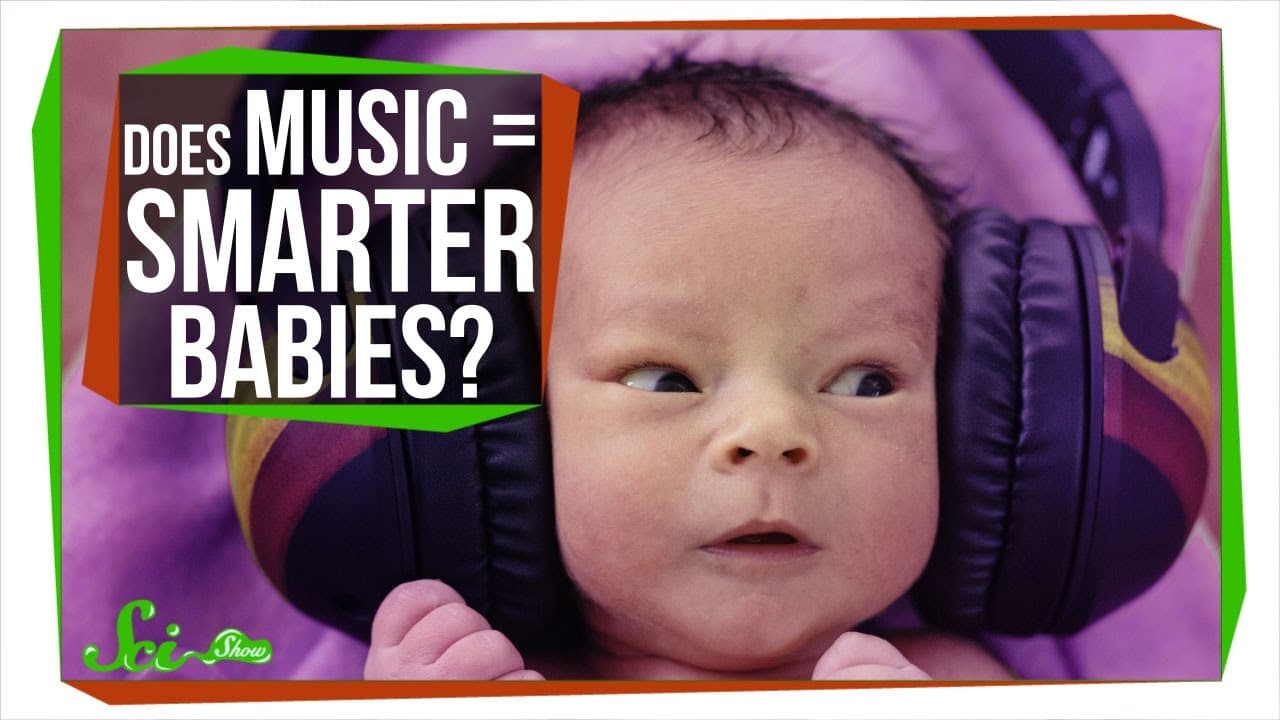
Does Music Really Make Babies Smarter?
TL;DR
Playing classical music for babies does not actually make them smarter, despite the popular belief.
Transcript
Parents want what’s best for their kids. They want them to grow up to be smart, kind, productive people — and they’ll do almost anything to give their little bundle of joy a competitive advantage. Which has led to the strange explosion of the myth that playing classical music for babies might make them more intelligent. You can buy all kinds of “cl... Read More
Key Insights
- 🖤 The myth of classical music making babies smarter is widespread but lacks scientific evidence.
- 💖 The initial study that sparked the idea only had a small sample size and short-term effects.
- 👨🔬 Books and articles like The Mozart Effect amplified the misconception, but further research found minimal or inconsistent effects.
- 👂 Listening to classical music may have other benefits, such as calming effects and potentially reducing seizures in epileptic patients.
Install to Summarize YouTube Videos and Get Transcripts
Explore YouTube Video Summarizer or Get YouTube Transcript Extractor
Questions & Answers
Q: Does playing classical music for babies really make them smarter?
No, there is no scientific evidence to support the claim that playing classical music enhances a baby's intelligence. It originated from a small study on college students and has been debunked by later research.
Q: What was The Mozart Effect?
The Mozart Effect referred to the belief that listening to Mozart's music could improve intelligence. However, meta-analyses of various studies found little to no effect on intelligence from listening to classical music.
Q: Are there any benefits of listening to classical music for babies?
While classical music may not make babies smarter, it can still have a calming or soothing effect on them. Additionally, it may be helpful for epileptic patients to reduce seizures.
Q: What activities are more important for a child's development than playing classical music?
Activities like talking and reading to a child have a more significant impact on their overall development. These interactions promote language skills, cognitive development, and bonding with the parent.
Summary & Key Takeaways
-
Parents believe that playing classical music for babies promotes brain development, but there is no evidence supporting this claim.
-
A 1993 study found a temporary increase in spatial IQ scores in college students after listening to music, but the effect lasted only 15 minutes.
-
Despite books and articles spreading the myth, further studies have shown minimal or no effect of music on intelligence.
Read in Other Languages (beta)
Share This Summary 📚
Summarize YouTube Videos and Get Video Transcripts with 1-Click
Try YouTube Summary with ChatGPT & Claude or YouTube Transcript Generator
Explore More Summaries from SciShow 📚


Summarize YouTube Videos and Get Video Transcripts with 1-Click
Try YouTube Summary with ChatGPT & Claude or YouTube Transcript Generator