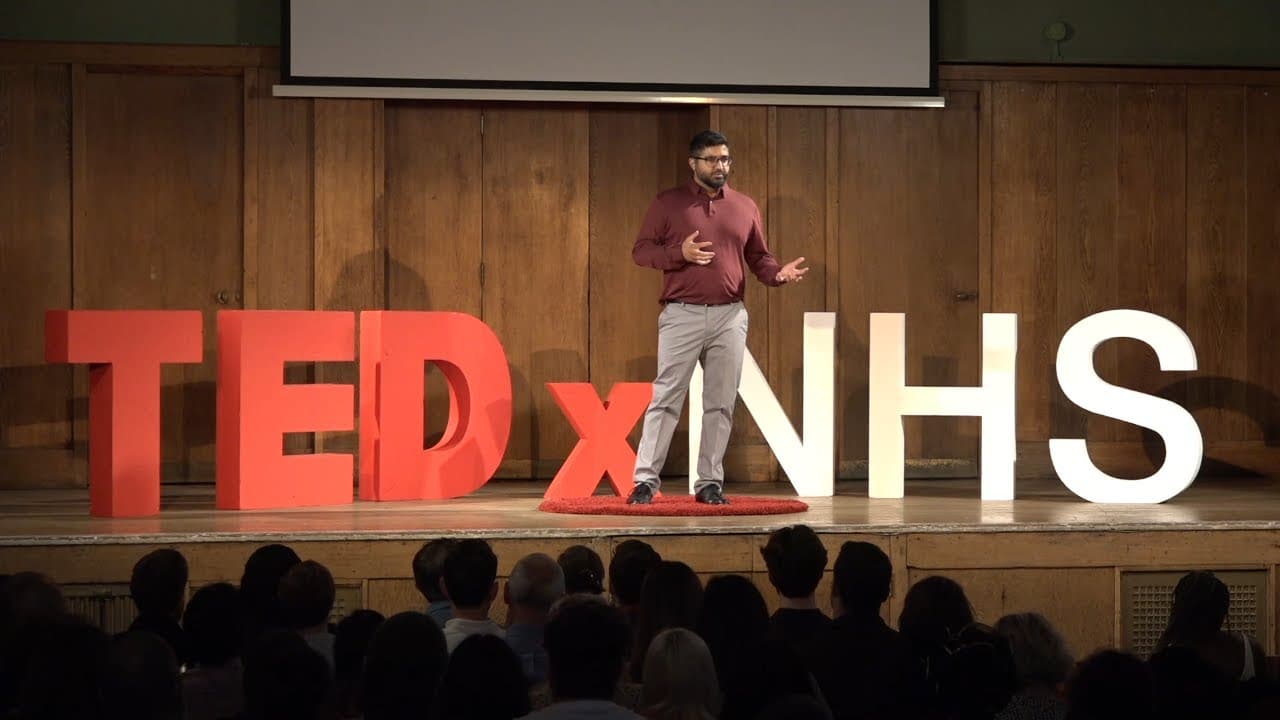
Health misinformation is dangerous | Suraj "Dr Sooj" Kukadia | TEDxNHS
TL;DR
Social media is a double-edged sword for health information, with misinformation spreading rapidly alongside accurate content.
Transcript
[Applause] I'm going to tell you a secret and I hope I don't get canceled for saying this but there's a chemical in what you're consuming that big Farmer and the powers that be do not want you to know about this chemical dihydrogen monoxide also known as dhmo is corrosive it can cause severe burns and it's been found in the tumors of terminal cance... Read More
Key Insights
- 🧑⚕️ Social media democratizes health education, fostering global communities and empowering individuals.
- 🧑⚕️ Health misinformation, like dangerous practices promoted by influencers, poses serious risks to public health.
- 💁 Critical media literacy is essential in discerning credible health information from misleading advice.
- 🤔 Responsible engagement and critical thinking are crucial in combating health misinformation on social media.
- 🧑⚕️ Platforms like TikTok, Instagram, and Twitter amplify health misinformation, urging users to critically evaluate content.
- ℹ️ Checking the credibility of sources and information helps individuals navigate the complex landscape of health misinformation online.
- 💉 Public figures, like the former U.S. president, have contributed to spreading health misinformation, highlighting the need for critical thinking.
Install to Summarize YouTube Videos and Get Transcripts
Explore YouTube Video Summarizer or Get YouTube Transcript Extractor
Questions & Answers
Q: How has social media impacted health education globally?
Social media has revolutionized health education by providing access to information, creating communities, and empowering individuals worldwide.
Q: What are some examples of dangerous health misinformation spread on social media?
Practices like coffee enemas and vaginal steaming, promoted by influencers, can lead to infections, bowel perforations, and serious health risks.
Q: Why is critical media literacy crucial in navigating health misinformation online?
Critical media literacy helps individuals discern between accurate and misleading health information, enabling them to make informed decisions about their health.
Q: How can individuals protect themselves from health misinformation on social media?
By engaging responsibly, critically analyzing information, and verifying the credibility of sources, individuals can safeguard themselves against health misinformation.
Summary & Key Takeaways
-
Social media democratizes health education, connecting communities and empowering individuals globally.
-
However, platforms also propagate health misinformation with dangerous practices like coffee enemas and vaginal steaming.
-
Critical media literacy is essential to navigate the online health landscape and discern credible sources.
Read in Other Languages (beta)
Share This Summary 📚
Summarize YouTube Videos and Get Video Transcripts with 1-Click
Try YouTube Summary with ChatGPT & Claude or YouTube Transcript Generator
Explore More Summaries from TEDx Talks 📚

Summarize YouTube Videos and Get Video Transcripts with 1-Click
Try YouTube Summary with ChatGPT & Claude or YouTube Transcript Generator