How Wind Energy Could Power Earth ... 18 Times Over | Dan Jørgensen | TED Countdown
TL;DR
This content discusses Denmark's success in harnessing wind energy to combat climate change, highlighting the country's transformation and potential impact on the world.
Transcript
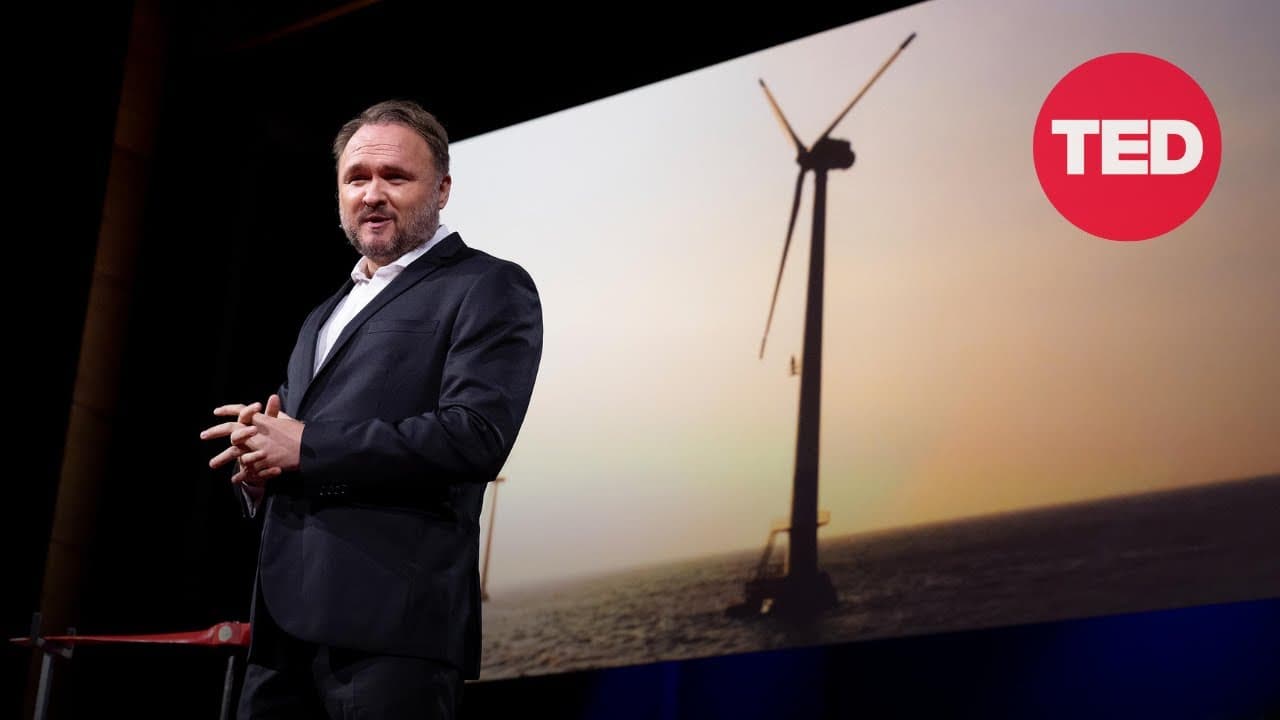
"How many times must a man look up Before he can see the sky?" That's a quote from a famous song by Bob Dylan. I love that line because it reminds me that sometimes what we need is actually right there in front of us. I will argue that that is also the case with climate change. We can actually replace some of the biggest sources of the problem, oil... Read More
Key Insights
- 🌬️ Wind power can replace oil, coal, and gas as a major source of energy in fighting climate change.
- 🇩🇰 Denmark has become a green frontrunner in wind power, setting an example for other countries to follow.
- ⚙️ The invention of the wind turbine by Henrik Stiesdal in the 1970s sparked a transformation in Denmark's energy industry.
- 💨 Offshore wind farms in Denmark have grown significantly in size and capacity, creating a significant impact on the country's electricity demand.
- 🛢️ Denmark aims to phase out oil and gas extraction by 2050 and is exploring alternative energy solutions like hydrogen fuel production.
- 🔋 Electrolyzers that transform electricity into hydrogen are a game changer for storing renewable energy and decarbonizing various sectors.
- 🏭 To meet the scale of renewable energy needed, Denmark is building the world's first energy island, which can generate 10 gigawatts of green electricity.
- ⛵ The success of the Vikings in exploring new territories was attributed to their efficient use of wind power, emphasizing the importance of finding more efficient ways to harness energy.
Install to Summarize YouTube Videos and Get Transcripts
Explore YouTube Video Summarizer or Get YouTube Transcript Extractor
Questions & Answers
Q: How did wind power in Denmark begin?
Wind power in Denmark began with a young man named Henrik Stiesdal, who built the first wind turbine that could produce electricity in the 1970s.
Q: What impact did Henrik Stiesdal's invention have?
Henrik Stiesdal's invention of the wind turbine sparked a transformation in Denmark, leading to the development of many wind turbines that are seen all over the world today.
Q: How has wind power in Denmark evolved since the 1970s?
Since the 1970s, wind power in Denmark has significantly evolved. The first offshore wind farm, Vindeby, was built in 1991, and today, Denmark has the biggest offshore wind farm called Kriegers Flak, with 72 turbines that can generate electricity for 600,000 households.
Q: What is Denmark's plan to address climate change?
Denmark has made the decision to put an end date on oil and gas extraction in 2050 and cancel all future licensing rounds. The country aims to show the world that there are alternatives to oil and gas and hopes to inspire other countries to make similar changes.
Q: How does Denmark address the challenge of inconsistent wind resources?
Denmark addresses the challenge of inconsistent wind resources by utilizing an electrolyzer to transform excess electricity from wind turbines into hydrogen. This hydrogen can be stored and converted into green fuels, allowing for the decarbonization of parts of the energy system and ensuring energy availability even when the wind doesn't blow.
Q: What is Denmark's plan to expand renewable energy?
As part of its strategy to expand renewable energy, Denmark is building the world's first energy island. Located 80 kilometers out in the sea, the island will have hundreds of wind turbines surrounding it and a capacity to generate 10 gigawatts of green electricity, enough to cover the demand of 10 million households.
Q: How does Denmark hope to make a global impact in fighting climate change?
Denmark hopes to make a global impact in fighting climate change by using its excess renewable energy to produce green hydrogen and sustainable fuels. These fuels can be used for aviation, shipping, and exported to other countries, helping them decarbonize their energy systems and reduce reliance on fossil fuels.
Q: What can be learned from the Vikings in the context of addressing climate change?
The Vikings were successful explorers because they exploited the power of wind through efficient sails. Similarly, in addressing climate change, we need to follow their example by finding new and more efficient ways to harness renewable energy. By innovating and utilizing the forces of nature, we have the potential to make a positive difference in fighting climate change.
Summary & Key Takeaways
-
Denmark's success in transitioning to wind power serves as an example of how countries can address climate change by replacing fossil fuel sources with renewable energy.
-
The invention of the wind turbine by Henrik Stiesdal in the 1970s sparked a transformation in Denmark, leading to the country's status as a green frontrunner in wind power.
-
Denmark's commitment to ending oil and gas extraction by 2050 and its investment in offshore wind farms and an energy island demonstrate the country's dedication to combating climate change and providing alternative energy solutions.
Read in Other Languages (beta)
Share This Summary 📚
Summarize YouTube Videos and Get Video Transcripts with 1-Click
Try YouTube Summary with ChatGPT & Claude or YouTube Transcript Generator
Explore More Summaries from TED 📚

Summarize YouTube Videos and Get Video Transcripts with 1-Click
Try YouTube Summary with ChatGPT & Claude or YouTube Transcript Generator