Women's Reproductive Rights | See, The Thing Is
TL;DR
Women's reproductive rights extend beyond abortion, emphasizing overall health awareness for women.
Transcript
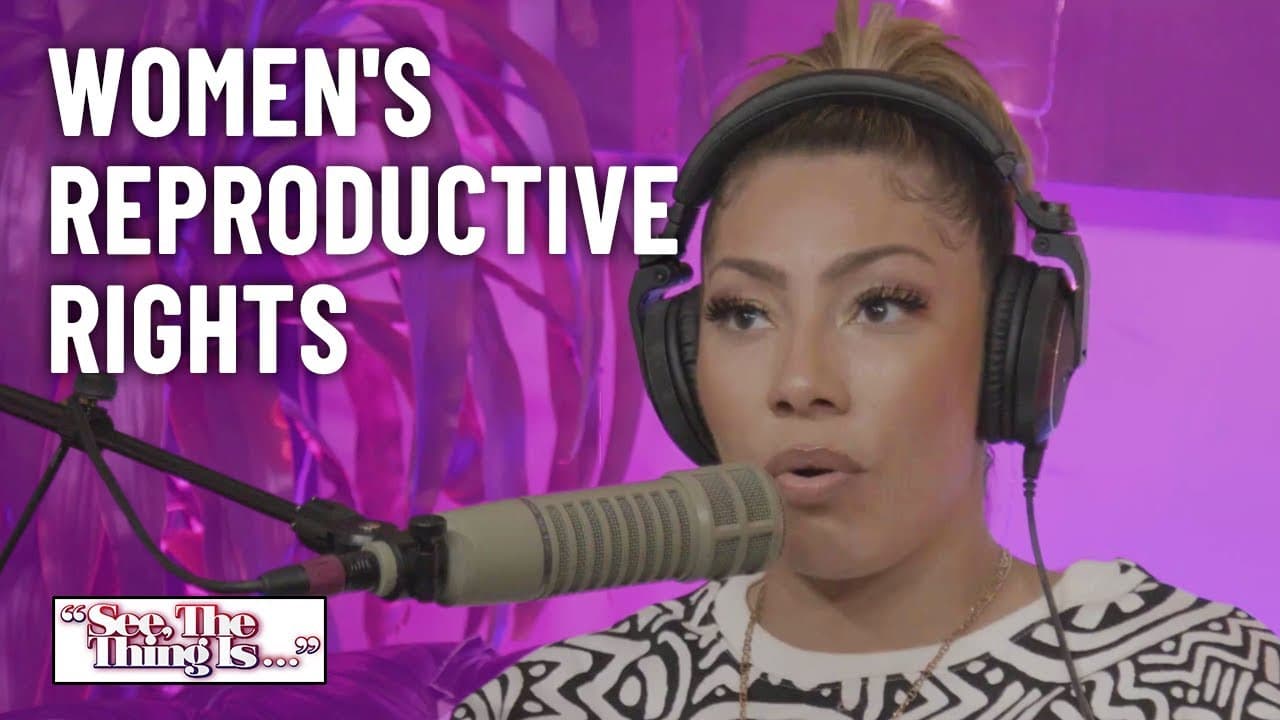
we have conversations really frequently about women's rights and women's reproductive rights only as it pertains to abortion and i like that we're able to now introduce other facets to this conversation that's such a good point that don't have anything to do with abortion women's reproductive rights are not just not just about abortions people who ... Read More
Key Insights
- 👩⚕️ The pro-choice movement should be reframed to emphasize broader issues affecting women's health, such as education and healthcare access instead of focusing solely on abortion.
- 👩⚕️ Awareness about key health services, like mammograms, is insufficient among women, particularly in communities with historically limited healthcare education.
- 😘 Disparities exist in healthcare experiences for Black women, leading to lower rates of preventative care and screenings.
- 🧑⚕️ Trust in healthcare providers is crucial for effective treatment and health management, particularly among marginalized communities.
- 🙃 Regular health check-ups and screenings can significantly impact early detection and treatment of diseases, ultimately saving lives.
- 👩⚕️ Community education and discussions are vital to raise awareness and address misconceptions surrounding women's health and reproductive rights.
- 🫸 Political advocacy is essential for pushing for reforms that improve women's healthcare and protect their rights.
Install to Summarize YouTube Videos and Get Transcripts
Explore YouTube Video Summarizer or Get YouTube Transcript Extractor
Questions & Answers
Q: What are some misconceptions about women's reproductive rights?
Many people mistakenly associate being pro-choice solely with supporting abortion. However, being pro-choice fundamentally means advocating for a woman's right to make her own decisions regarding her body, regardless of one's personal views on abortion itself. This distinction is essential for broadening the conversation around women's rights.
Q: Why is awareness of breast cancer screenings crucial for women?
Breast cancer screenings, like mammograms, are critical for early detection and treatment, significantly improving outcomes. Unfortunately, many women, especially Black women, have limited access to information about these tests. Increasing awareness and education about screenings can save lives and empower women to prioritize their health.
Q: How can Black women improve their healthcare experiences?
Black women can enhance their healthcare experiences by actively seeking information about their health, questioning medical advice, and ensuring open communication with healthcare providers. Building a supportive network to share experiences and advocate for better care of their health is also essential for overcoming systemic disparities.
Q: What barriers do Black women face in accessing healthcare?
Black women often experience systemic barriers in accessing healthcare, including distrust in medical professionals due to historical mistreatment, lack of representation in healthcare, financial constraints, and insufficient education surrounding health issues. Raising awareness about these challenges is crucial to address and dismantle them.
Q: How can women advocate for better reproductive health policies?
Women can advocate for better reproductive health policies by engaging in community organizing, participating in dialogues about women's rights, and supporting legislation that protects women's healthcare choices. Additionally, raising awareness through social media and community events can amplify women's voices and push for change.
Q: What role does education play in women's health awareness?
Education is pivotal in fostering women’s health awareness, as it equips individuals with knowledge about their bodies, health screenings, and reproductive rights. Increased education can lead to more informed choices and enable women to advocate for their health, leading to improved outcomes and awareness across communities.
Q: What are some common health screenings that women should prioritize?
Women should prioritize regular health screenings such as pap smears, mammograms, and general check-ups with gynecologists. These screenings are essential for early detection of potential health issues, such as cancer and other reproductive health concerns, promoting a proactive approach to healthcare.
Summary & Key Takeaways
-
The conversation around women's reproductive rights should include wider topics beyond abortion, as many individuals who oppose abortion still support a woman's right to choose. It highlights the need for protecting women's health and providing comprehensive reproductive care.
-
October is Breast Cancer Awareness Month, and figures like Mary J. Blige demonstrate the gap in awareness, as many women, particularly in the Black community, lack knowledge about crucial health screenings like mammograms even at later ages.
-
The disparities in healthcare for Black women are pointed out, underlining the importance of trust in medical professionals and making proactive health choices, such as regular check-ups and education about breast health.
Read in Other Languages (beta)
Share This Summary 📚
Summarize YouTube Videos and Get Video Transcripts with 1-Click
Try YouTube Summary with ChatGPT & Claude or YouTube Transcript Generator
Explore More Summaries from Joe Budden TV 📚




Summarize YouTube Videos and Get Video Transcripts with 1-Click
Try YouTube Summary with ChatGPT & Claude or YouTube Transcript Generator