Who belongs in a city? | OluTimehin Adegbeye
TL;DR
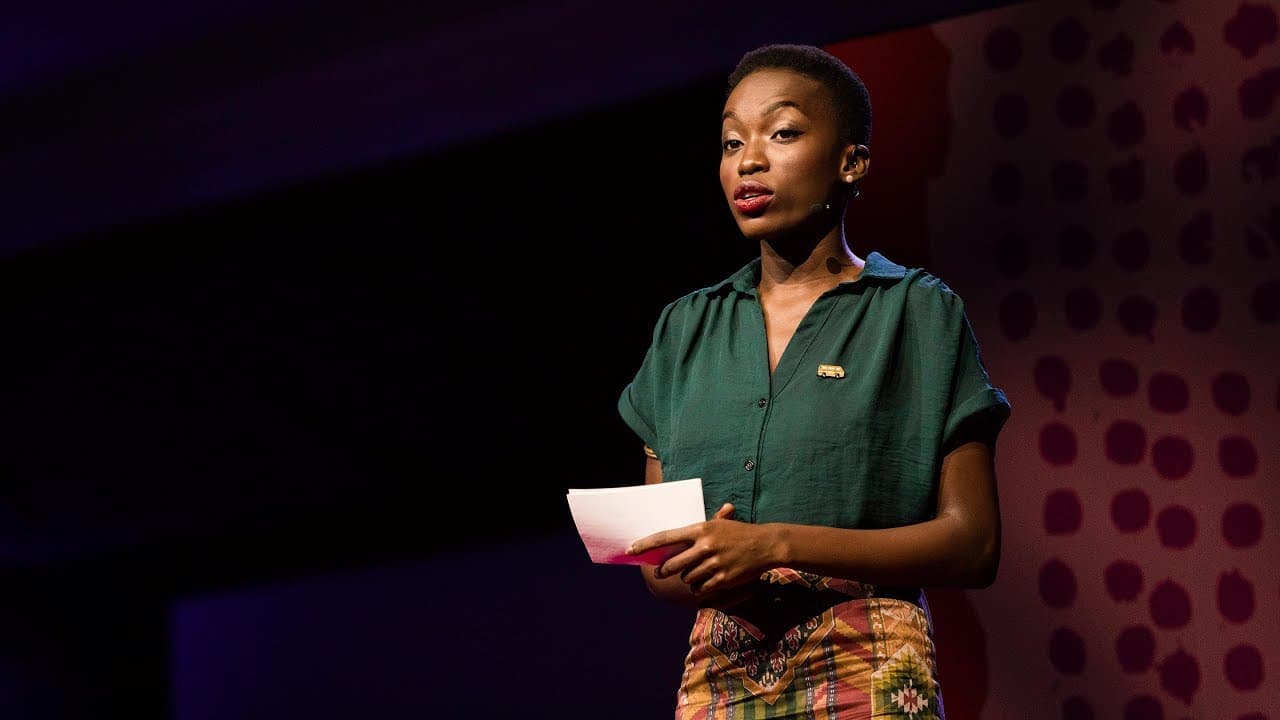
In this Ted Talk, the speaker discusses the complexities of cities, particularly focusing on the challenges faced by the city of Lagos and the importance of recognizing the humanity and agency of those living in informal settlements.
Transcript
Cities are like siblings in a large polygamous family. Each one has a unique personality and is headed in a distinct direction. But they all have somewhat shared origins. Sometimes I think postcolonial cities are like the children of the two least-favorite wives, who are constantly being asked, "Ah, why can't you be more like your sister?" (Laughte... Read More
Key Insights
- 🏙️ Cities are diverse and unique, but also share common origins and challenges, such as advantageous locations, opportunities, constant flux, and resilience.
- 🚎 Lagos, Nigeria, is a multifaceted city with contradictions, including a dysfunctional public transportation system, flooded roads, street evangelism, and a mix of extreme wealth and poverty.
- 🌍 Belonging in Lagos is determined by factors like ethnicity, sexual orientation, gender, and most prominently, social class, leading to the displacement of indigenous communities and a growing divide.
- 🏘️ Slums are a response to housing deficits and income inequality, and while they may be imperfect, they exhibit innovation, adaptability, and resilience. They should not be seen as the problem, but rather the result of entrenched poverty and state failures.
- 🏢 Informal settlements in Lagos are at the forefront of innovating solutions, such as collective remittances for cheaper utility rates, employing local residents as security, and implementing flood-safe and eco-friendly communal toilets.
- 🌍 Governments often view slums as threats and justify violent land grabs and forced evictions, but it is essential to recognize the humanity and agency of those living in informal settlements and advocate for inclusive policies.
- 💪 People and cities are resilient, and no amount of legislation or violence can fully eliminate anyone. Marginalized groups, such as sex workers and queer Africans, continue to exist despite suppression and criminalization.
- 🌃 A dream requires a safe place to lay one's head, and it is crucial to hold governments and ourselves accountable for creating inclusive cities that value all contributions and ensure the safety and well-being of everyone.
Install to Summarize YouTube Videos and Get Transcripts
Explore YouTube Video Summarizer or Get YouTube Transcript Extractor
Questions & Answers
Q: What are the shared origins and common characteristics of cities?
The shared origins of cities can be traced back to advantageous locations that enable trade and administration, as well as providing scalable opportunities for both skilled and unskilled individuals. Additionally, cities thrive on the popular willingness to embrace constant change and exhibit resilience.
Q: How are postcolonial cities like Lagos often treated when compared to their counterparts?
Postcolonial cities like Lagos, Nigeria, are often likened to the children of unfavored wives in a polygamous family. They are frequently subjected to comparisons with other cities and pressured to emulate their attributes, which can lead to a disregard for their unique qualities and challenges.
Q: What determines belonging in a city like Lagos?
Belonging in Lagos, like many other cities, is a fluid concept influenced by factors such as ethnic origin, sexual orientation, gender, and class. Class, in particular, can have a visible and often violent impact on an individual's sense of belonging in Lagos.
Q: How does the government's focus on eradicating poverty in Lagos fall short?
Instead of focusing on eradicating poverty as one might expect, the government's strategy in Lagos emphasizes eliminating the poor. This approach was exemplified by the demolition of waterfront settlements and the displacement of indigenous communities, disregarding the rights of thousands of people in pursuit of a "new Dubai" image.
Q: How do forced evictions impact poor communities in Lagos?
Forced evictions in Lagos, like in many other cities, are often violent and unconstitutional. These evictions frequently target slums and informal settlements, disregarding the fact that they are responses to housing deficits and income inequality. Such actions by governments marginalize and dehumanize the poor residents of these communities.
Q: How do slums demonstrate resilience and innovation in cities like Lagos?
Slums may be an imperfect housing solution, but they represent the resilience and innovation rooted in every functional city. In Lagos, where public goods are scarce, slum dwellers are at the forefront of innovating solutions to challenges. Their collective efforts have led to the development of systems for affordable utilities, community security, and eco-friendly facilities.
Q: How does the government's treatment of marginalized groups affect cities like Lagos?
The government's approach, which includes rounding up, extorting, and detaining people with disabilities who engage in street hawking or begging, falsely charging women in low-income neighborhoods as prostitutes, and scapegoating queer individuals, perpetuates discrimination and fails to acknowledge their rights and contributions. However, marginalized groups remain resilient and cannot be fully eliminated despite legislative and social challenges.
Q: What is the importance of recognizing the humanity and agency of those living in informal settlements?
Informal settlements are often stigmatized and viewed as problems in cities, but they are a response to systemic factors such as poverty, social exclusion, and state failures. Recognizing the humanity and agency of those living in informal settlements is necessary to effectively address the underlying issues, improve the conditions, and foster growth in cities like Lagos.
Summary & Key Takeaways
-
Cities have unique personalities and shared origins, but how they are run and who belongs can differ greatly.
-
Belonging in cities like Lagos is determined by factors like ethnic origin, sexual orientation, gender, and most violently, class.
-
Forced evictions of slums and the erasure of marginalized communities are unjust and violate human rights. Instead, governments should recognize the innovation and resilience of these communities and work toward inclusive solutions.
Read in Other Languages (beta)
Share This Summary 📚
Summarize YouTube Videos and Get Video Transcripts with 1-Click
Try YouTube Summary with ChatGPT & Claude or YouTube Transcript Generator
Explore More Summaries from TED 📚




Summarize YouTube Videos and Get Video Transcripts with 1-Click
Try YouTube Summary with ChatGPT & Claude or YouTube Transcript Generator