Why Is Embracing Bilingual and Bicultural Identity Hard?
TL;DR
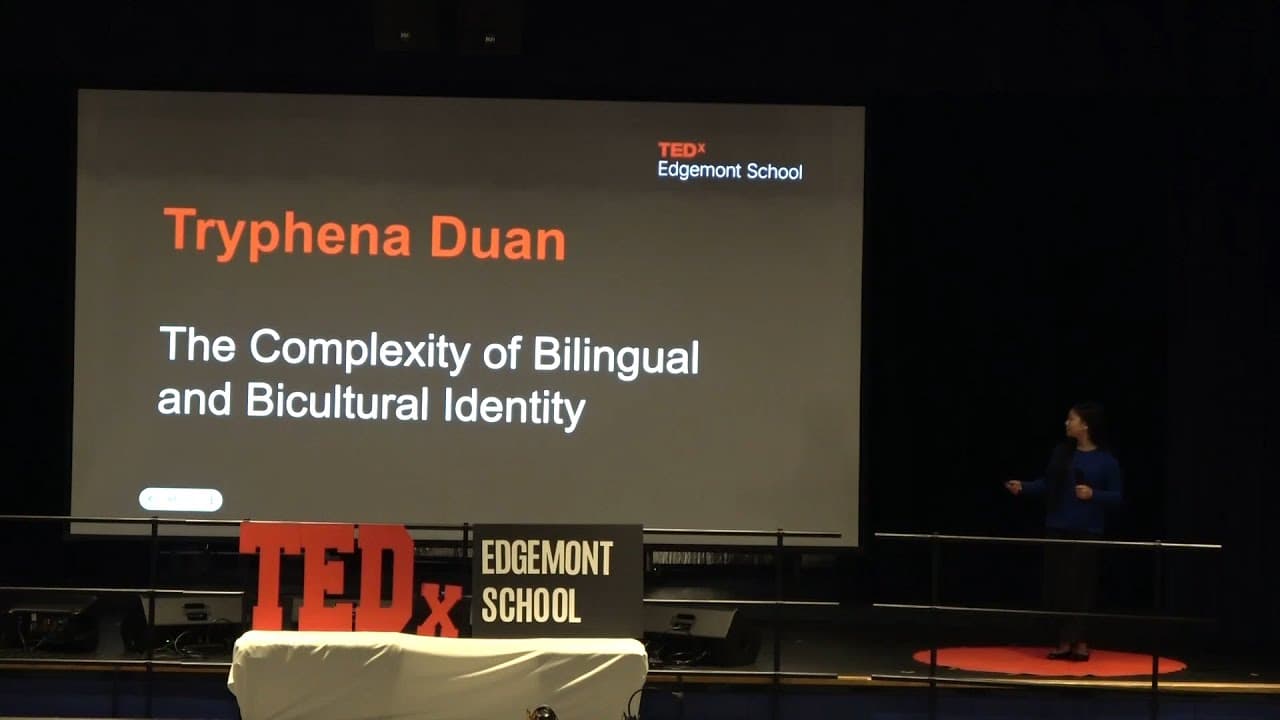
Embracing a bilingual and bicultural identity is challenging due to the need for constant language switching and cultural adaptation. Asian-Americans often find themselves navigating between distinct cultural expectations and linguistic abilities, leading to a complex identity that is neither fully one nor the other. This journey involves reconciling conflicting cultural norms and linguistic skills.
Transcript
As three-year-old me walked through the hallway of my new preschool, I was excited for new opportunities to come. The doors of my preschool acted as a portal to a new world. New friends, new teachers, new puzzles to solve, and new books to read. As we arrived at my new classroom, my mother pulled the doors open and my teacher came over to greet me.... Read More
Key Insights
- Bilingualism involves understanding and speaking two languages, but not all Asian-Americans are bilingual; some are multilingual or monolingual.
- Bicultural individuals have two distinct cultures in their lives, but not all Asian-Americans fit this label, as some are multicultural.
- Language immersion is key to learning a new language, as seen in the speaker's experience with English in a predominantly English-speaking environment.
- Code-switching is common among bilingual individuals, where they switch between languages in conversations, creating a blend of linguistic expressions.
- Cultural norms differ significantly between American and Chinese cultures, affecting how individuals interact with elders and daily activities.
- Asian-American identities are often seen as translingual and transcultural due to the blending of languages and cultures.
- The journey to embracing a bilingual and bicultural identity is complex, involving multiple layers and facets of cultural and linguistic experiences.
- Identity for Asian-Americans is not static; it constantly evolves as they navigate their unique cultural and linguistic landscapes.
Install to Summarize YouTube Videos and Get Transcripts
Explore YouTube Video Summarizer or Get YouTube Transcript Extractor
Questions & Answers
Q: How do bilingual individuals manage language switching?
Bilingual individuals often engage in code-switching, which involves alternating between languages within a conversation. This can happen when they lack the vocabulary in one language and substitute words from another. Code-switching reflects the interwoven nature of their linguistic experiences and can create a unique blend of expressions that are part of their identity.
Q: What challenges do Asian-Americans face in embracing their identities?
Asian-Americans face challenges in embracing their identities due to the need to navigate between distinct cultural and linguistic expectations. They often experience a disconnect between their proficiency in English and their native language, as well as between cultural norms. This leads to a complex identity that requires reconciling conflicting aspects of their experiences.
Q: Why is cultural immersion important for language learning?
Cultural immersion is crucial for language learning because it exposes individuals to the language in real-life contexts, enhancing their understanding and proficiency. For Asian-Americans, immersion in an English-speaking environment aids in acquiring English fluency, although it may also lead to challenges in maintaining their native language proficiency.
Q: How do cultural norms differ between American and Chinese cultures?
Cultural norms between American and Chinese cultures differ significantly, particularly in how individuals address elders. In Chinese culture, respect is shown through terms like 'auntie' or 'grandma,' even for non-relatives. In contrast, American culture often uses first names, reflecting a more casual approach. These differences highlight the cultural complexities Asian-Americans navigate.
Q: What is the concept of translingual and transcultural identity?
Translingual and transcultural identity describes the blending of languages and cultures in an individual's experiences. For Asian-Americans, this means their identity is not solely bilingual or bicultural but involves a dynamic interplay of multiple languages and cultural influences, leading to a unique and evolving sense of self.
Q: How does identity evolve for Asian-Americans?
Identity for Asian-Americans evolves as they navigate their cultural and linguistic landscapes. It involves reconciling differences between languages and cultural norms, leading to a complex, multifaceted identity. This evolution is marked by continuous adaptation and redefinition of self within diverse cultural and linguistic contexts.
Q: Why is identity complex for Asian-Americans?
Identity is complex for Asian-Americans due to the need to balance distinct cultural and linguistic expectations. They often find themselves between two worlds, leading to a multifaceted identity that involves blending languages and cultural norms. This complexity requires continuous adaptation and negotiation of their sense of self.
Q: What role does code-switching play in identity formation?
Code-switching plays a significant role in identity formation for bilingual individuals, as it allows them to navigate between languages and express themselves in unique ways. This linguistic blending reflects the interwoven nature of their cultural experiences and contributes to a dynamic and evolving identity that encompasses multiple cultural influences.
Summary & Key Takeaways
-
Embracing bilingual and bicultural identities involves navigating between distinct languages and cultures, often leading to a complex and evolving identity. Asian-Americans frequently engage in code-switching, blending languages and cultural norms, which complicates their sense of identity. This journey is marked by reconciling differences and finding a balance between cultural expectations and linguistic abilities.
-
Language and cultural immersion are crucial for Asian-Americans who grow up in predominantly English-speaking environments. While they may become proficient in English, maintaining proficiency in their native language can be challenging. Cultural differences, such as how elders are addressed, highlight the distinct norms between cultures, further complicating the identity journey.
-
Asian-American identities are often described as translingual and transcultural due to the interwoven nature of languages and cultures in their experiences. This complexity makes it difficult for individuals to fully embrace a singular identity, as they constantly adapt and redefine themselves within their cultural and linguistic landscapes.
Read in Other Languages (beta)
Share This Summary 📚
Summarize YouTube Videos and Get Video Transcripts with 1-Click
Try YouTube Summary with ChatGPT & Claude or YouTube Transcript Generator
Explore More Summaries from TEDx Talks 📚





Summarize YouTube Videos and Get Video Transcripts with 1-Click
Try YouTube Summary with ChatGPT & Claude or YouTube Transcript Generator