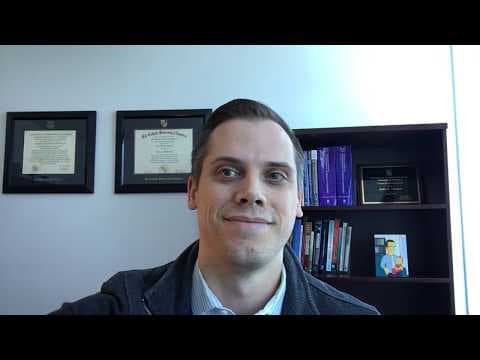
Session 2 with Abe from Cognitive Behavioral Therapy: Basics and Beyond, 3rd Ed.

TL;DR
Abe discusses progress and sets goals in therapy session.
Transcript
hi good to see you again hi can i uh take a look at your scores sure so while i'm looking at these just tell me in your own words how you've been feeling this week well i would say i think a little bit better i don't know if i know exactly why but i feel a little bit better like when i woke up in the morning i was able to ge... Read More
Key Insights
- Abe feels slightly better this week, attributing improvements to therapy, including better concentration and getting out of bed more easily.
- Evenings are challenging for Abe, as he struggles with being alone and facing his thoughts, but he aims to address this issue.
- Abe has started to give himself credit for completing tasks, which is a step towards regaining confidence and combating depression.
- Therapist encourages Abe to maintain a credit list, acknowledging even small accomplishments, to build self-confidence and motivation.
- Abe finds spending time with his grandson uplifting, which suggests social interactions help alleviate depressive symptoms.
- Abe recognizes that his thoughts are not always accurate reflections of reality, which is a key aspect of cognitive behavioral therapy.
- Abe plans to set achievable goals, such as getting out of the house more often and managing his living space, to regain control over his life.
- The session emphasizes the importance of doing activities that enhance feelings of control rather than succumbing to depressive urges.
Install to Summarize YouTube Videos and Get Transcripts
Explore YouTube Video Summarizer or Get YouTube Transcript Extractor
Questions & Answers
Q: What improvements has Abe noticed this week?
Abe has noticed a slight improvement in his overall mood, with better concentration and the ability to get out of bed more easily. He attributes these changes to the therapy sessions and the strategies discussed with his therapist, which have helped him feel more motivated and focused.
Q: What challenges does Abe face in the evenings?
Abe finds evenings particularly challenging due to feelings of loneliness and being alone with his thoughts. Despite engaging in activities during the day, he struggles with the transition to being by himself at night. This is an area he aims to address with his therapist to improve his overall well-being.
Q: How does Abe plan to give himself credit for accomplishments?
Abe plans to maintain a credit list to acknowledge his accomplishments, even small ones, as a way to build self-confidence and motivation. He recognizes that giving himself credit for tasks, especially those that are challenging due to his depression, is crucial for regaining confidence and combating negative thoughts.
Q: How does social interaction affect Abe's mood?
Social interaction, particularly spending time with his grandson, has a positive impact on Abe's mood. He finds these interactions uplifting and feels more like a 'normal person' when engaging in enjoyable activities with others. This suggests that maintaining social connections is beneficial for his mental health.
Q: What role do automatic thoughts play in Abe's depression?
Automatic thoughts, which are often negative and inaccurate, play a significant role in Abe's depression. The therapy sessions focus on helping Abe identify and challenge these thoughts, understanding that just because he thinks something doesn't necessarily mean it's true. This cognitive restructuring is a key component of his therapy.
Q: What are Abe's goals for the coming week?
Abe's goals for the coming week include getting out of the house more often, managing his living space, and maintaining social connections. He plans to visit family, clean specific areas of his apartment, and engage in activities that help regain control over his life. These goals are designed to be achievable and build his confidence.
Q: How does Abe's therapist suggest he handle depressive urges?
Abe's therapist suggests that instead of succumbing to depressive urges, which often involve sitting on the couch and ruminating, Abe should engage in activities that promote a sense of control. This involves doing things that are slightly challenging but rewarding, thereby improving his mood and motivation over time.
Q: What is the overall goal of Abe's therapy sessions?
The overall goal of Abe's therapy sessions is to help him regain control over his life by setting achievable goals, challenging negative thoughts, and building self-confidence through acknowledging accomplishments. The therapist emphasizes the importance of engaging in activities that enhance feelings of control and reduce depressive symptoms.
Summary & Key Takeaways
-
Abe reports feeling slightly better, with improved concentration and motivation to get out of bed. He attributes these changes to the therapy sessions and is encouraged to continue with his progress.
-
The session focuses on setting achievable goals for Abe, such as managing his living space and increasing social interactions. The therapist emphasizes the importance of giving himself credit for accomplishments.
-
Abe acknowledges that his negative thoughts may not always be accurate and is encouraged to challenge these thoughts. The therapist highlights the significance of engaging in activities that promote a sense of control over his life.
Read in Other Languages (beta)
Share This Summary 📚
Summarize YouTube Videos and Get Video Transcripts with 1-Click
Try YouTube Summary with ChatGPT & Claude or YouTube Transcript Generator
Explore More Summaries from Beck Institute for Cognitive Behavior Therapy 📚
Summarize YouTube Videos and Get Video Transcripts with 1-Click
Try YouTube Summary with ChatGPT & Claude or YouTube Transcript Generator