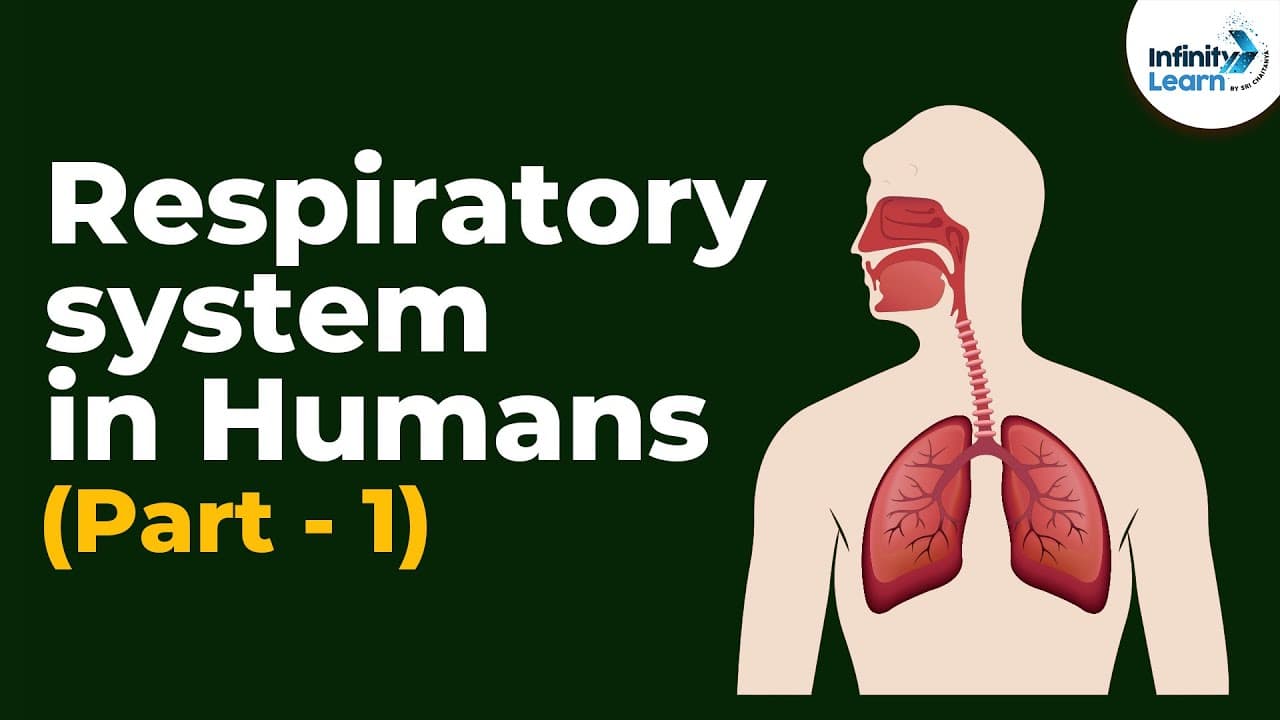
Respiratory system in Humans - Part 1 | Don't Memorise
TL;DR
The lungs are the only organ in the human body that can float on water, and they play a vital role in the respiratory system.
Transcript
is there any organ in our body that can float on water give it a shot if your answer is that there is no oven in our body that can float on water but you're probably wrong because we have the exception of lungs yes surprisingly the only organ in the human body that can float on water is the pair of lungs and not only this but there are many other i... Read More
Key Insights
- 💦 The lungs are the only organ in the human body that can float on water.
- 💱 The respiratory system is crucial for our survival, as it facilitates gaseous exchange.
- 🚜 The upper respiratory tract consists of the nasal cavity, pharynx, and larynx, each with specific functions.
- 👱 The nasal cavity warms, moistens, and filters inhaled air.
- 😋 The pharynx acts as a passage for air and food, preventing food from entering the respiratory tract.
- 🙏 The larynx is responsible for sound production and contains the vocal folds.
- 😋 Proper functioning of the pharynx is crucial to prevent food from entering the windpipe.
Install to Summarize YouTube Videos and Get Transcripts
Explore YouTube Video Summarizer or Get YouTube Transcript Extractor
Questions & Answers
Q: Why are lungs important and widely studied?
Lungs are essential because they form the core of the respiratory system, which ensures our survival. They are studied extensively to understand respiratory diseases and develop treatments.
Q: What is the function of the nasal cavity?
The nasal cavity warms, moistens, and filters inhaled air. It also contains sensitive cells responsible for the sense of smell.
Q: What is the purpose of the pharynx?
The pharynx acts as a common passage for air and food, ensuring that food enters the digestive tract and not the respiratory tract. It also helps in swallowing.
Q: How does the larynx produce sound?
The larynx, also known as the voice box, has folds that vibrate when air passes through them, producing sound. These vibrations are responsible for our voice.
Summary & Key Takeaways
-
The lungs are the only organ in the human body that can float on water.
-
The respiratory system is responsible for gaseous exchange and keeping us alive.
-
The upper respiratory tract consists of the nasal cavity, pharynx, and larynx.
Read in Other Languages (beta)
Share This Summary 📚
Summarize YouTube Videos and Get Video Transcripts with 1-Click
Try YouTube Summary with ChatGPT & Claude or YouTube Transcript Generator
Explore More Summaries from Infinity Learn NEET 📚


Summarize YouTube Videos and Get Video Transcripts with 1-Click
Try YouTube Summary with ChatGPT & Claude or YouTube Transcript Generator