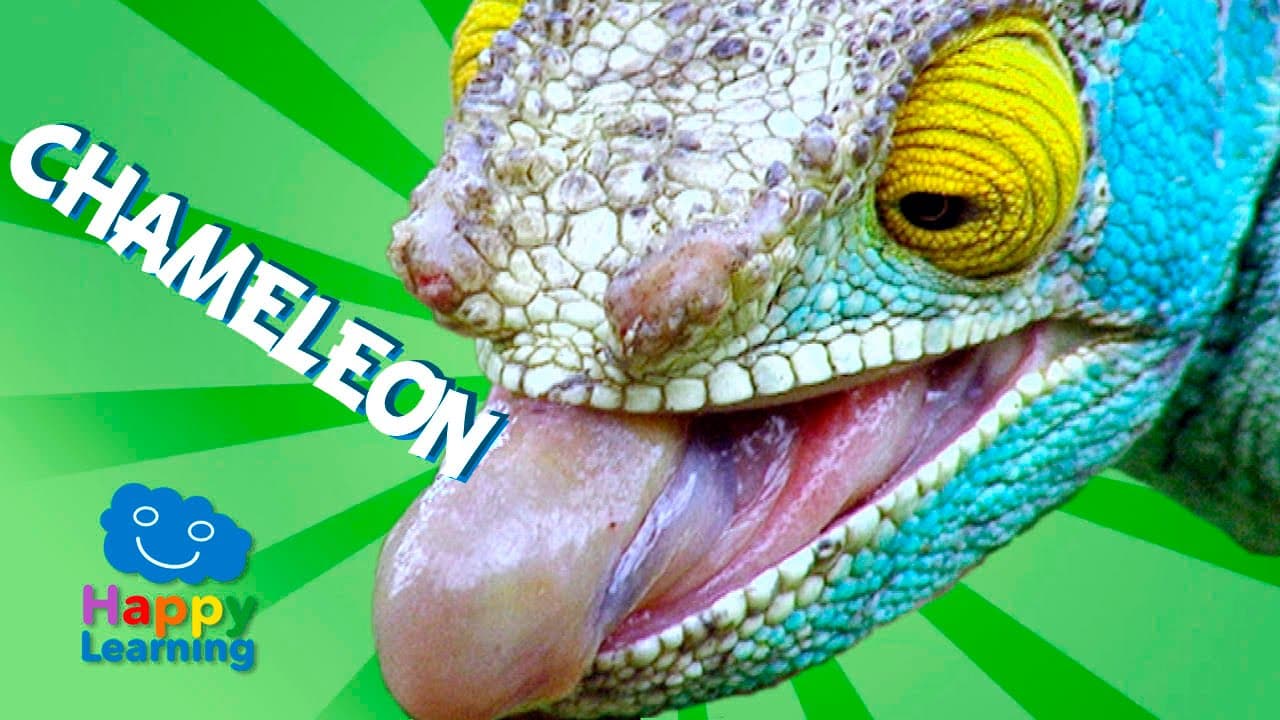
Videos for Children | Chameleon for Kids (Educational Video)
TL;DR
Chameleons are unique reptiles known for color change and hunting skills.
Transcript
The chameleon, a multi-coloured reptile The chameleon is one of nature’s most curious reptiles, its capable of changing colour to camouflage, or to say, it can change its colour to match that of its surroundings, so no predators can see it… Look, look, try to find it… The chameleon, like all reptiles, has a body that is completely covered in hard s... Read More
Key Insights
- Chameleons can change their skin color to blend with their surroundings, aiding in camouflage and protection from predators.
- Their eye structure is unique, allowing them to rotate independently and providing a 360-degree view without moving their heads.
- Despite their excellent vision, chameleons are believed to be deaf due to the absence of ears.
- Color change in chameleons is not only for camouflage but also reflects their emotional state, such as anger, fear, or love.
- Chameleons are carnivorous reptiles, primarily consuming insects, although they occasionally eat small mammals or birds.
- Their hunting method involves a long, rapidly deployable tongue with a sticky tip to capture prey efficiently.
- Chameleons are covered in hard scales, providing protection from enemies, similar to other reptiles.
- The educational video emphasizes the chameleon's extraordinary characteristics and encourages children to learn more through Happy Learning.
Install to Summarize YouTube Videos and Get Transcripts
Explore YouTube Video Summarizer or Get YouTube Transcript Extractor
Questions & Answers
Q: How do chameleons change their color?
Chameleons change their color through specialized cells in their skin called chromatophores, which contain different pigments. By expanding or contracting these cells, they can alter their skin color. This ability helps them with camouflage, communication, and expressing emotions such as anger or fear.
Q: What makes a chameleon's vision unique?
A chameleon's vision is unique due to its cone-shaped eyes that allow for independent movement. This structure enables them to have a 360-degree view of their surroundings without moving their heads. This remarkable adaptation helps them detect predators and prey efficiently.
Q: Why are chameleons believed to be deaf?
Chameleons are believed to be deaf because they lack external ears and the typical auditory structures found in other animals. This absence suggests they do not rely on hearing for survival, instead depending on their exceptional vision to navigate their environment and detect threats.
Q: How do chameleons hunt their prey?
Chameleons hunt using their long, rapidly deployable tongues. The tongue's tip is sticky, allowing it to adhere to prey upon contact. This method is highly effective for capturing insects, which make up the majority of their diet, although they occasionally eat small mammals or birds.
Q: What role do emotions play in a chameleon's color change?
Emotions significantly influence a chameleon's color change. Besides camouflage, their skin color can reflect their emotional state, such as anger, fear, or love. This change serves as a form of communication with other chameleons, indicating mood or intentions in various situations.
Q: What is the primary diet of chameleons?
Chameleons are carnivorous reptiles, primarily feeding on insects. Their diet mainly consists of crickets, grasshoppers, and other small insects. Occasionally, they may consume small mammals or birds, depending on availability and their specific nutritional needs.
Q: How do chameleons protect themselves from predators?
Chameleons protect themselves through camouflage and their hard scales. By changing their skin color to blend with their surroundings, they can avoid detection by predators. Additionally, their scales provide physical protection, making it difficult for predators to inflict harm.
Q: What educational resources does Happy Learning offer?
Happy Learning offers a variety of educational resources for children, including videos on diverse topics like animals, science, and history. The platform aims to make learning fun and engaging, encouraging children to explore and discover new information in an entertaining manner.
Summary & Key Takeaways
-
Chameleons are fascinating reptiles capable of changing their skin color for camouflage and emotional expression. Their unique eye structure allows for a 360-degree view, but they lack hearing abilities. They are carnivorous, using a long, sticky tongue to catch prey.
-
The video highlights the chameleon's special features, such as independent eye movement and color-changing abilities, which are influenced by their surroundings and emotions. Despite being deaf, they are effective hunters, primarily feeding on insects.
-
Happy Learning provides educational content for children, showcasing the chameleon's extraordinary traits, including its protective scales and carnivorous diet. The video encourages exploration of these unique animals and promotes further learning through the platform.
Read in Other Languages (beta)
Share This Summary 📚
Summarize YouTube Videos and Get Video Transcripts with 1-Click
Try YouTube Summary with ChatGPT & Claude or YouTube Transcript Generator