How to Grow Mushrooms in Buckets! A Step-by-Step Guide
TL;DR
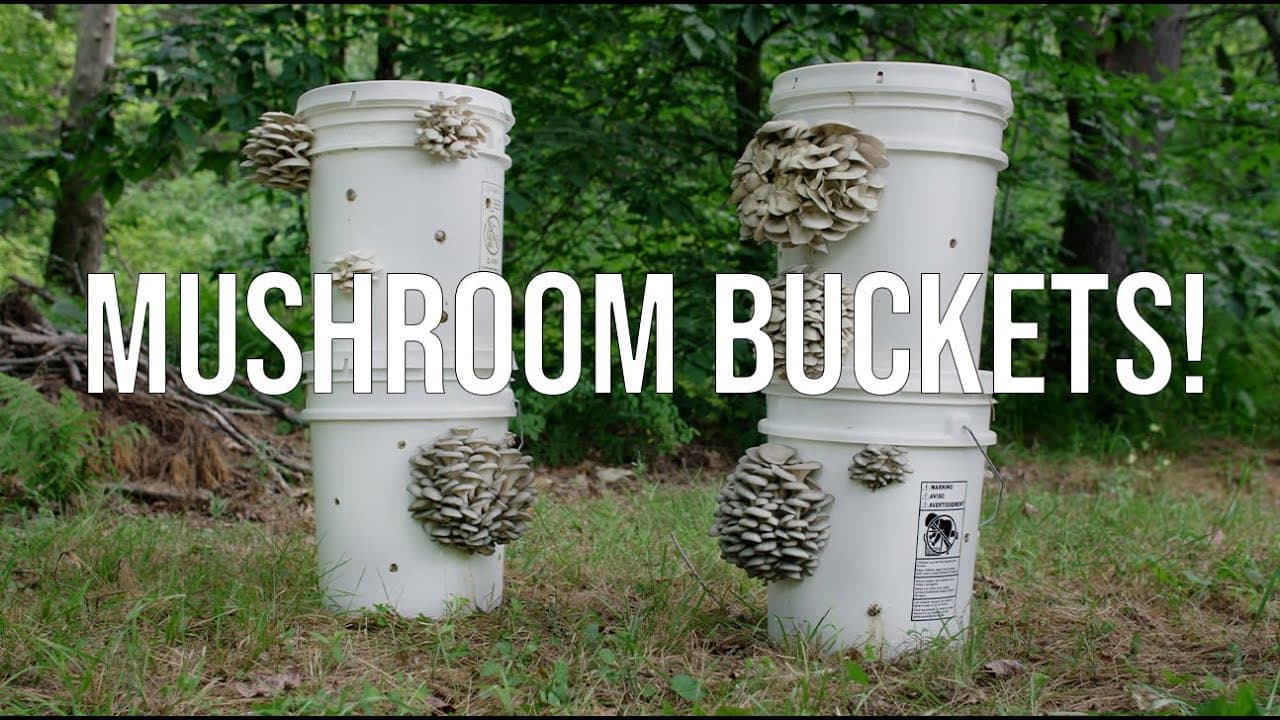
Learn to grow mushrooms in buckets using the bucket technique.
Transcript
the bucket Tech it's sustainable beginner friendly and easy to scale up and today we're going to show you from start to finish exactly how to do it the bucket technique is one of the most reliable methods to grow oyster mushrooms quickly and on a predictable schedule we'll teach you how to source and prepare buckets pasteuri... Read More
Key Insights
- The bucket technique is sustainable, beginner-friendly, and allows for easy scalability, making it ideal for both home and commercial mushroom growing.
- Buckets are reusable, require less plastic, and have lower operational costs compared to bag culture, but they may need a higher initial investment.
- Proper substrate preparation using lime soak or boiling water is crucial for preventing contamination and ensuring successful mushroom growth.
- Using chopped straw and hardwood fuel pellets as substrates provides a clean starting material due to pre-pasteurization during manufacturing.
- Maintaining a 70% moisture content in substrates is essential for optimal mushroom growth, achieved by soaking and drying techniques.
- The inoculation process involves breaking up grain spawn and distributing it evenly in the substrate to ensure efficient colonization.
- Incubation requires a dark, well-ventilated space with controlled temperature to prevent overheating and ensure proper mushroom development.
- Commercial scaling involves using larger equipment and adapting techniques to fit the specific needs and resources of the grower.
Install to Summarize YouTube Videos and Get Transcripts
Explore YouTube Video Summarizer or Get YouTube Transcript Extractor
Questions & Answers
Q: What are the advantages of using the bucket technique for growing mushrooms?
The bucket technique offers several advantages for mushroom growers. It is sustainable and beginner-friendly, allowing for easy scalability from small home setups to commercial operations. Buckets are reusable, reducing plastic waste, and have lower operational costs compared to bag culture. However, they may require a higher initial investment and thorough cleaning between uses.
Q: How is substrate prepared for mushroom growing using the bucket technique?
Substrate preparation involves using materials like chopped straw and hardwood fuel pellets. These materials are treated using a lime soak method or boiling water to inhibit microbial growth. The lime soak creates a high pH environment that prevents contamination, while pre-pasteurization during pellet manufacturing ensures a clean starting material for mushroom growth.
Q: What is the importance of moisture content in mushroom substrate?
Maintaining the correct moisture content is crucial for successful mushroom cultivation. For the bucket technique, a 70% moisture content is ideal. This is achieved by soaking the substrate in a lime bath and allowing it to drip dry. Proper moisture levels ensure that the substrate supports healthy mycelium growth and prevents issues like drying out or excessive wetness, which can hinder mushroom development.
Q: How is grain spawn used in the inoculation process?
During inoculation, grain spawn is broken up and distributed evenly throughout the prepared substrate. This ensures efficient colonization by the mycelium, which is vital for successful mushroom growth. A higher spawn rate can speed up colonization and reduce the risk of contamination, but it requires more spawn. Conversely, a lower spawn rate extends the spawn's reach but may slow down colonization.
Q: What conditions are necessary for the incubation of mushroom substrates?
Incubation requires a controlled environment where the substrate can develop without interference. It should be placed in a dark, well-ventilated space with a consistent temperature, ideally around 68 degrees Fahrenheit. The setup should allow for air circulation to prevent overheating, which can be detrimental to the mycelium. Maintaining these conditions ensures optimal colonization and prepares the substrate for fruiting.
Q: How can mushroom growing be scaled up for commercial production?
Scaling up for commercial mushroom production involves using larger equipment and adapting processes to fit specific needs. This includes using industrial mixers, larger incubation spaces, and efficient substrate preparation methods. Growers must be resourceful, experimenting with different techniques and equipment to optimize growing conditions. Successful commercial growers often share knowledge and learn from others in the industry to improve their operations.
Q: What are some challenges associated with commercial mushroom farming?
Commercial mushroom farming presents challenges such as managing pests, maintaining consistent environmental conditions, and optimizing substrate preparation. Growers must deal with issues like fungus gnats and fruit flies, which can affect yields. Additionally, ensuring proper humidity, temperature, and light in fruiting rooms is crucial. Resourcefulness and adaptability are key, as growers must often tailor techniques to their specific operations and environments.
Q: What role does innovation play in successful mushroom farming?
Innovation is crucial in mushroom farming, as it allows growers to optimize their processes and improve yields. Successful farmers often experiment with different substrates, equipment, and growing techniques to find the most effective methods. They also share knowledge with others in the industry, learning from collective experiences to overcome challenges. This spirit of innovation and collaboration drives improvements in mushroom farming practices, leading to greater success and sustainability.
Summary & Key Takeaways
-
The bucket technique for mushroom growing is a reliable and scalable method ideal for beginners and commercial growers alike. It involves preparing substrates, inoculating with spawn, and incubating in controlled environments.
-
Buckets offer numerous advantages such as reusability and lower plastic usage, but they require careful preparation and cleaning to prevent contamination and ensure successful mushroom production.
-
Scaling up to commercial production involves adapting equipment and processes, requiring resourcefulness and innovation to optimize growing conditions and maximize yields.
Read in Other Languages (beta)
Share This Summary 📚
Summarize YouTube Videos and Get Video Transcripts with 1-Click
Try YouTube Summary with ChatGPT & Claude or YouTube Transcript Generator
Explore More Summaries from North Spore 📚

Summarize YouTube Videos and Get Video Transcripts with 1-Click
Try YouTube Summary with ChatGPT & Claude or YouTube Transcript Generator