Learn Vietnamese with TVO | Table Manners in Vietnam
TL;DR
Learn essential Vietnamese table manners for respectful dining.
Transcript
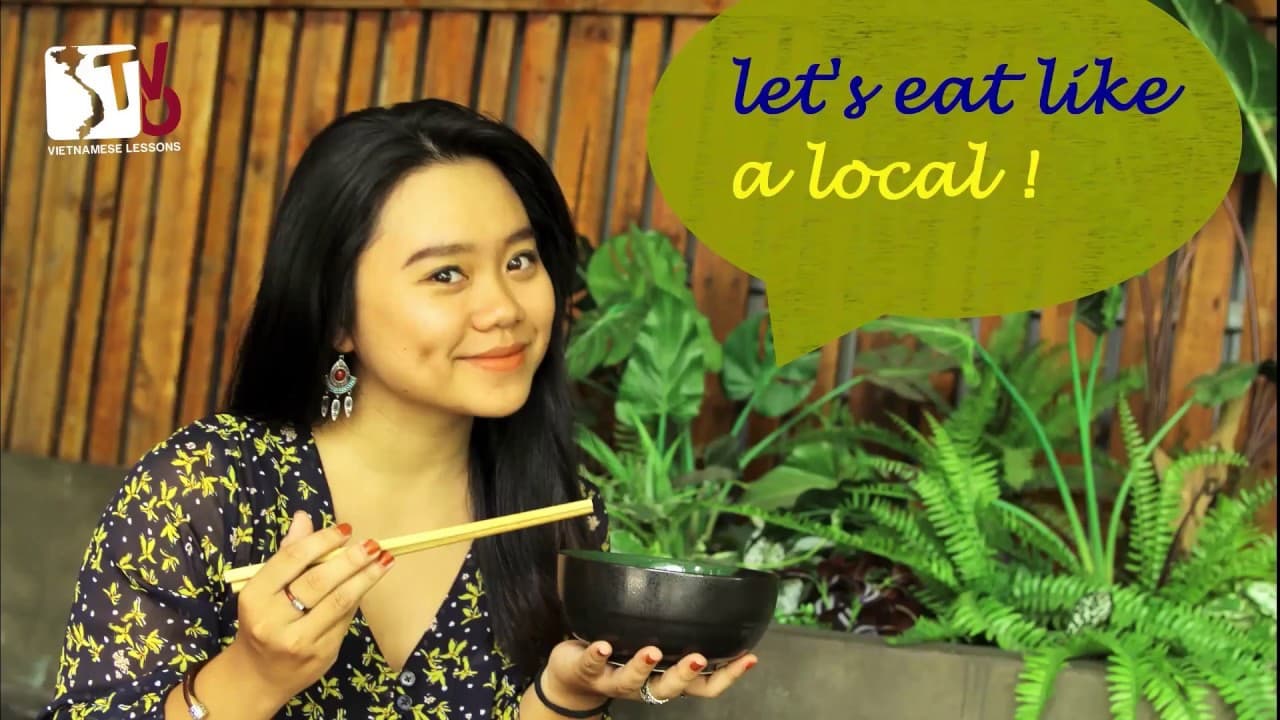
you hello this is me from TV oh it's really good to see you again today have you ever been to a Vietnamese meal before today I'm going to show you the most known table manners of Vietnamese meal let's start each country in each quarter has exceeding Rito Vietnam is not an exception every meal in Vietnam is regarded to be quite different than many W... Read More
Key Insights
- Vietnamese meals emphasize respect for elders, with younger family members inviting older ones to start eating.
- Meals are typically served family-style, with shared dishes including meat, fish, vegetables, and rice.
- Diners should transfer food from shared plates to their bowls using chopsticks, rather than serving directly onto plates.
- Offering food to others during the meal is considered polite and a sign of goodwill.
- Finishing all the food in your bowl shows respect to the cook and is encouraged.
- Men are often expected to drink beer with other men during meals, though moderation is acceptable.
- Vietnamese dining customs may involve splitting the bill or competing to pay for it.
- Understanding Vietnamese table manners requires exploration and openness to learning cultural traditions.
Install to Summarize YouTube Videos and Get Transcripts
Explore YouTube Video Summarizer or Get YouTube Transcript Extractor
Questions & Answers
Q: Why do younger family members invite older ones to start eating?
In Vietnamese culture, showing respect to elders is of paramount importance. Younger family members invite older ones to start eating as a gesture of respect and acknowledgment of their seniority. This practice underscores the value placed on family hierarchy and the importance of honoring those who are older.
Q: How are meals typically served in Vietnam?
Meals in Vietnam are typically served family-style, where all dishes are placed on the table for everyone to share. Common dishes include meat, fish, vegetables, and always rice. Diners are expected to use chopsticks to transfer food from shared plates to their individual bowls, rather than serving directly onto plates.
Q: What is the significance of finishing all the food in your bowl?
Finishing all the food in your bowl during a Vietnamese meal is considered a sign of respect towards the cook. It shows appreciation for the effort put into preparing the meal and is a way to avoid wastage. Leaving food uneaten may be perceived as disrespectful or ungrateful.
Q: Is it common to offer food to others during a meal?
Yes, offering food to others during a Vietnamese meal is a common and polite gesture. It reflects goodwill and hospitality, reinforcing the communal and familial nature of Vietnamese dining. This practice encourages sharing and fosters a sense of community and togetherness at the table.
Q: What are the expectations for men regarding drinking during meals?
During Vietnamese meals, it is often expected that men will drink beer with other men. This is a social custom that reflects camaraderie and bonding. However, moderation is generally accepted, and it is possible to drink only a small amount or to politely decline after a few rounds.
Q: How is the bill typically handled after a meal?
In Vietnamese dining culture, there are two common ways of handling the bill. One is splitting the bill among diners, and the other involves individuals competing to pay for the entire bill as a gesture of generosity. Both practices highlight the communal and generous spirit of Vietnamese dining.
Q: What should one do if they want more food during a meal?
If someone wants more food during a Vietnamese meal, they should not hesitate to ask for a second serving, especially of rice. This is perfectly acceptable and shows enjoyment and appreciation of the meal. Diners are encouraged to eat to their satisfaction while being mindful of others' needs.
Q: How can one best learn about Vietnamese dining customs?
The best way to learn about Vietnamese dining customs is through exploration and direct experience. Engaging with locals, asking questions, and observing practices during meals can provide valuable insights. Being open-minded and respectful when learning about new cultural traditions is essential for a positive experience.
Summary & Key Takeaways
-
Vietnamese table manners prioritize respect for elders, with younger individuals inviting older family members to commence eating. Meals are shared family-style, featuring a variety of dishes like meat, fish, and vegetables, always accompanied by rice. Diners use chopsticks to transfer food to their bowls, not plates.
-
Offering food to others during Vietnamese meals is a gesture of politeness, and finishing all the food in one's bowl is a sign of respect for the cook. Men are typically expected to drink beer with other men, though moderation is generally accepted.
-
Vietnamese dining customs may include splitting the bill or competing to pay for it. Understanding these practices requires an open mind and willingness to explore cultural traditions, ensuring a respectful and enjoyable dining experience.
Read in Other Languages (beta)
Share This Summary 📚
Summarize YouTube Videos and Get Video Transcripts with 1-Click
Try YouTube Summary with ChatGPT & Claude or YouTube Transcript Generator
Explore More Summaries from Tieng Viet Oi - Vietnamese Lessons 📚

Summarize YouTube Videos and Get Video Transcripts with 1-Click
Try YouTube Summary with ChatGPT & Claude or YouTube Transcript Generator