How Dangerous Would A Supervolcano Eruption Be?
TL;DR
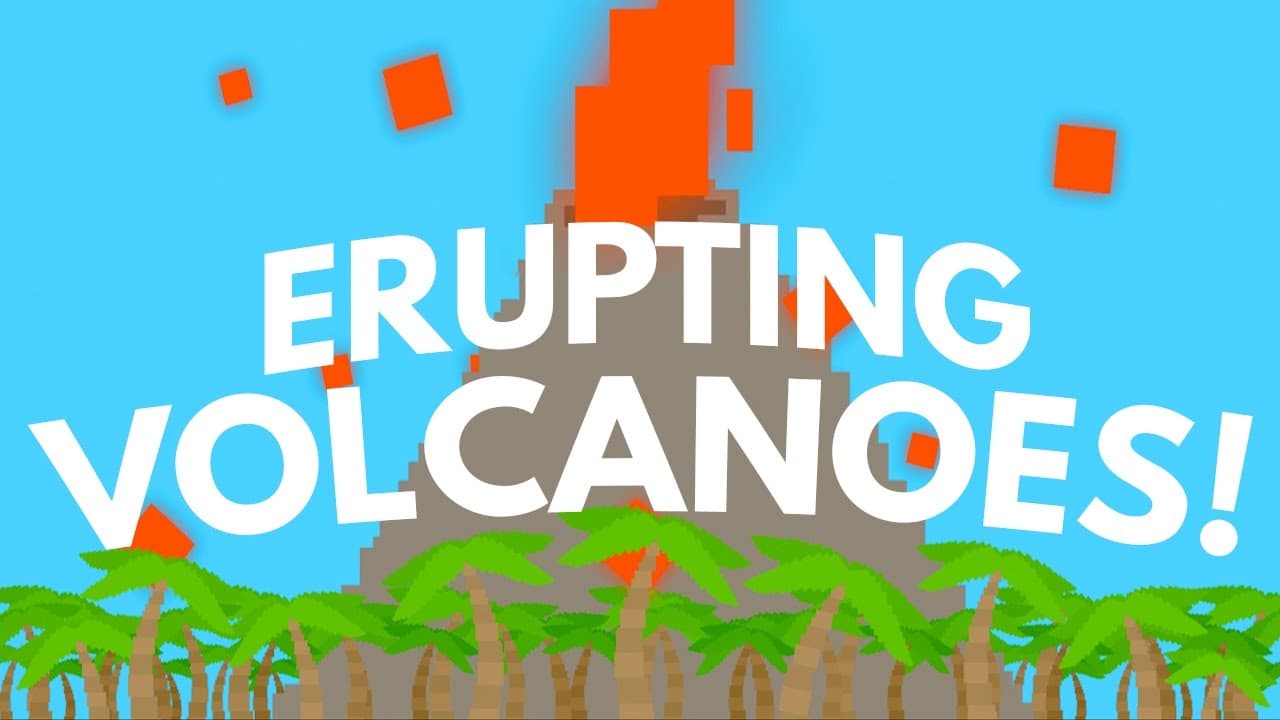
Volcanoes are not always deadly; they erupt frequently but mostly small; learn about their formation and potential dangers.
Transcript
Hey there! Welcome to Life Noggin. You probably think of volcanoes as huge mountains that erupt red hot lava and kill everything around them. And yeah, volcanoes can do this, but that doesn’t happen very often. There are about 1500 active volcanoes on Earth, and one erupts every week on average! You just don’t hear about them because most eruptions... Read More
Key Insights
- 🌋 Volcanoes are not always explosive and deadly; most eruptions are small and not widely reported.
- 🫢 Magma's thickness and trapped gas content determine the size and explosiveness of volcanic eruptions.
- 💐 Volcanic eruptions can lead to various dangers like lava flows, lahars, pyroclastic flows, and volcanic gases.
- 🌐 The 1815 eruption of Mount Tambora in Indonesia had significant global impacts, causing climate changes and thousands of deaths.
- 🏘️ Yellowstone National Park houses a supervolcano that could have catastrophic consequences if it erupts.
- 😘 The probability of a giant eruption from Yellowstone in a given year is low, and monitoring systems are in place to detect volcanic activity.
- 🌋 Volcanoes are fascinating natural phenomena that remind us of Earth's dynamic and powerful forces.
Install to Summarize YouTube Videos and Get Transcripts
Explore YouTube Video Summarizer or Get YouTube Transcript Extractor
Questions & Answers
Q: How are volcanoes formed and what materials do they typically eject?
Volcanoes form when warmer material rises to the Earth's surface, consisting of magma, ash, gas, and lava.
Q: What determines the size and explosiveness of a volcanic eruption?
The thickness of the magma and the amount of trapped gas inside determine the size and explosive nature of a volcanic eruption.
Q: What are some potential dangers associated with volcanic eruptions?
Volcanic eruptions can lead to lava flows, lahars (mudflows), pyroclastic flows, and volcanic gases causing breathing difficulties and death.
Q: What was the largest volcanic explosion in recent history and its impact?
The 1815 eruption of Mount Tambora in Indonesia was the largest recent volcanic explosion, causing global climate changes and leading to thousands of deaths.
Summary & Key Takeaways
-
Volcanoes are not always destructive but are places where warmer material erupts from the Earth's surface.
-
Magma, consisting of ash, gas, and lava, forms beneath the Earth's crust and rises to cause eruptions.
-
Volcanic eruptions vary in size and can have devastating consequences like lava flows, lahars, and pyroclastic flows.
Read in Other Languages (beta)
Share This Summary 📚
Summarize YouTube Videos and Get Video Transcripts with 1-Click
Try YouTube Summary with ChatGPT & Claude or YouTube Transcript Generator
Explore More Summaries from Life Noggin 📚




Summarize YouTube Videos and Get Video Transcripts with 1-Click
Try YouTube Summary with ChatGPT & Claude or YouTube Transcript Generator