The True History of England & The Archetypal Meaning of Robin Hood - Scott Mannion & Jay Dyer
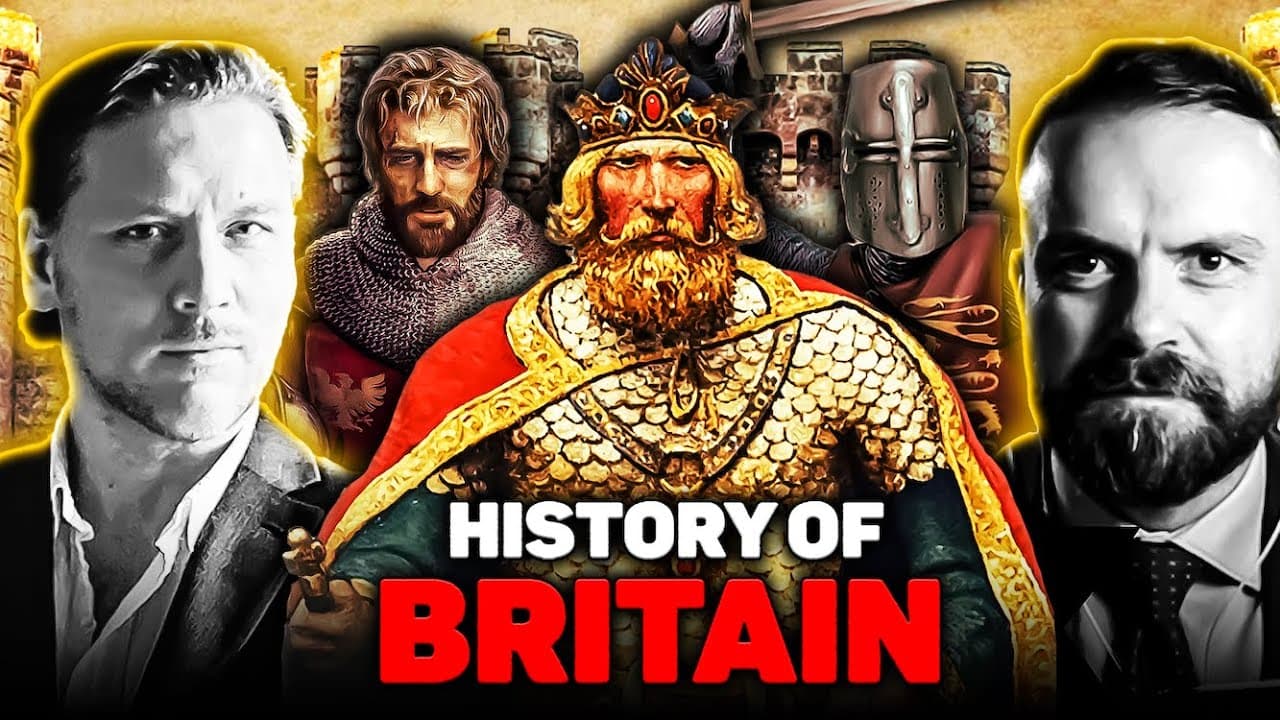
TL;DR
This discussion explores the true history of the Anglo-Saxon people, highlighting their traditionalism and connection to folklore and mythos.
Transcript
thank you foreign foreign foreign all right welcome everybody we are going to be live here in a second as Scott joins us hello greetings how are you good man how are you are we already starting yeah my setup is kind of funky so it kind of automatically goes live but um welcome uh how you been man hello good dude thanks for the invite I wanted to be... Read More
Key Insights
- 👯 Folklore and mythos provide a unique lens through which to understand the deep essence of a people.
- 🪈 The emergence of figures like Robin Hood and the Yeoman reflects a desire for traditional order and resistance to hierarchy corruption.
- 💨 The traditional way of being in Anglo-Saxon culture remains deeply nested within American culture, particularly in regions with strong ties to England.
Install to Summarize YouTube Videos and Get Transcripts
Explore YouTube Video Summarizer or Get YouTube Transcript Extractor
Questions & Answers
Q: How does Scott approach getting to the essence of the ethnos in his channel?
Scott's channel aims to explore the unique and authentic essence of different people by breaking down elements like folklore, mythology, and folk customs to uncover the deep ways of being that survive within a society.
Q: What is the significance of the emergence of the Yeoman figure during the Hundred Years War?
The Yeoman figure, trained in the use of the longbow and imitating the king, emerged as a liminal figure within the hierarchy, allowing for the formation of a traditional order outside of the existing aristocracy.
Q: How does the presence of Robin Hood in folklore reflect the traditional and conservative values of the Anglo-Saxon people?
Contrary to popular belief, Robin Hood represents a traditional figure fighting to restore the hierarchical order and remove corrupt middle managers in the name of the traditional way of being.
Q: How does the traditional way of being of the Anglo-Saxon people relate to American culture?
The traditional way of being deeply nested within Anglo-Saxon culture, including the initiation into hierarchical structures and the value of virtue, has also influenced American culture, particularly within regions like Appalachia and the South.
Key Insights:
- Folklore and mythos provide a unique lens through which to understand the deep essence of a people.
- The emergence of figures like Robin Hood and the Yeoman reflects a desire for traditional order and resistance to hierarchy corruption.
- The traditional way of being in Anglo-Saxon culture remains deeply nested within American culture, particularly in regions with strong ties to England.
- The significance of traditional ceremonies and rituals should not be underestimated, as they connect individuals to their historical being and cultural identity.
Summary & Key Takeaways
-
Scott discusses his channel's focus on getting to the essence of the ethnos, exploring the unique and authentic essence of different people.
-
The conversation delves into the emergence of the Yeoman figure in England during the Hundred Years War and its connection to the Robin Hood narrative.
-
The discussion highlights the importance of traditionalism and hierarchy in Anglo-Saxon society, as well as the potential influence of this tradition in the United States.
Read in Other Languages (beta)
Share This Summary 📚
Summarize YouTube Videos and Get Video Transcripts with 1-Click
Try YouTube Summary with ChatGPT & Claude or YouTube Transcript Generator
Explore More Summaries from Jay Dyer 📚



Summarize YouTube Videos and Get Video Transcripts with 1-Click
Try YouTube Summary with ChatGPT & Claude or YouTube Transcript Generator