Inside the World of Bears | BBC Earth
TL;DR
Explore the diverse lifestyles of bears across different continents.
Transcript
A mother black bear is looking for something suitable for her cubs. This is their first ever trip to the seaside. In a few hours, the tide will return. So they must keep up with mum. Here's something tasty – crabs. Big crabs can give a nasty nip, so it's best to start off with smaller ones. During spring, three-quarters of the bears' food comes fro... Read More
Key Insights
- Black bears are highly reliant on their acute sense of smell for survival, which helps them detect intruders and find food sources, like crabs and salmon, in their environment.
- Mother bears are protective of their cubs, often leading them to safety when threatened by larger males, who pose a danger to the young cubs.
- Pandas have evolved with a carnivore's digestive system, yet they primarily consume bamboo, which makes up 99% of their diet, necessitating the transfer of bamboo-digesting microbes from mother to cub.
- Polar bears are highly adapted to Arctic conditions, with thick layers of fat for insulation and a keen sense of smell that allows them to detect prey from great distances even under snow.
- The Bornean sun bear, the smallest bear species, is adept at climbing trees to reach food sources like honey and insects, showcasing adaptations to its jungle habitat.
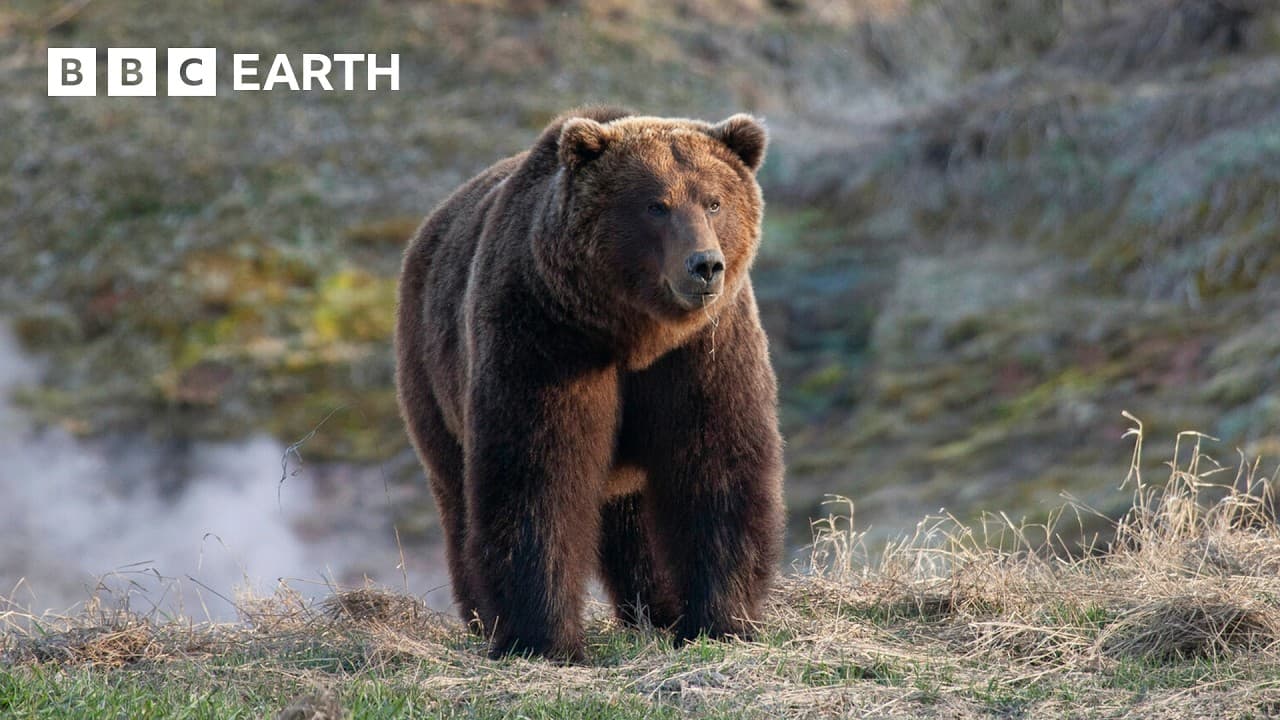
- Brown bears in Hokkaido coexist with local fishermen, both relying on the seasonal salmon run for sustenance, demonstrating a unique human-animal relationship.
- Bears are opportunistic feeders, often adapting their diets based on seasonal availability of food sources, such as salmon, plants, and small mammals.
- The diverse habitats of bears, from bamboo forests to icy Arctic regions, highlight their adaptability and the rich biodiversity found in these environments.
Install to Summarize YouTube Videos and Get Transcripts
Explore YouTube Video Summarizer or Get YouTube Transcript Extractor
Questions & Answers
Q: How do black bears protect their cubs from threats?
Black bears protect their cubs by using their acute sense of smell to detect potential threats, such as larger male bears. When a threat is detected, the mother bear leads her cubs to safety, often climbing trees to escape predators. This behavior ensures the cubs' survival in a competitive environment.
Q: What role does bamboo play in a panda's diet?
Bamboo is the primary food source for pandas, comprising 99% of their diet. Despite having a carnivore's digestive system, pandas have adapted to digest bamboo, which is facilitated by the transfer of bamboo-digesting microbes from mother to cub during weaning. This adaptation is crucial for their survival in bamboo-rich habitats.
Q: How do polar bears adapt to the Arctic environment?
Polar bears are highly adapted to the Arctic environment with a thick layer of insulating fat that traps heat and keeps them warm. They also have a remarkable sense of smell, allowing them to detect prey like seals from great distances, even under snow. These adaptations enable them to thrive in harsh, icy conditions.
Q: What makes the Bornean sun bear unique among bear species?
The Bornean sun bear is unique for being the smallest bear species, measuring just over a meter in length. It has adapted to life in the jungle by developing arboreal skills, allowing it to climb trees in search of food like honey and insects. Its small size and climbing ability make it well-suited to its forest habitat.
Q: How do brown bears and humans coexist in Hokkaido?
In Hokkaido, brown bears and humans, particularly local fishermen, coexist by sharing the seasonal bounty of salmon runs. This relationship is based on mutual respect, where humans have learned to live alongside bears without conflict, understanding that both depend on the salmon for sustenance during the harsh winter months.
Q: What challenges do bears face in their natural habitats?
Bears face numerous challenges in their natural habitats, including competition for food resources, threats from larger bears, and environmental changes. They must adapt their diets based on seasonal availability, and mothers need to protect their cubs from predators. These challenges require bears to be highly adaptable and resourceful.
Q: How do bears communicate and mark their territories?
Bears communicate and mark their territories through scent markings. They rub against trees, leaving behind their scent, which serves as a territorial marker and a means of communication with other bears. This behavior helps them avoid conflicts by signaling their presence to potential rivals in the area.
Q: What is the significance of the documentary's exploration of bear habitats?
The documentary's exploration of bear habitats highlights the diverse ecosystems that support bear populations and the importance of these environments for their survival. By showcasing different bear species and their unique adaptations, the documentary emphasizes the rich biodiversity of these habitats and the need for conservation efforts to protect them.
Summary & Key Takeaways
-
The documentary explores the lives of various bear species, focusing on their hunting, mating, and survival strategies across different habitats. It highlights the challenges they face, such as competition for food and threats from larger bears.
-
Bears exhibit unique adaptations to their environments, from the sun bear's arboreal skills in Borneo to the polar bear's insulation against the Arctic cold. These adaptations are crucial for their survival and reproductive success.
-
The documentary emphasizes the importance of specific habitats, like bamboo forests for pandas and salmon-rich rivers for brown bears, in supporting bear populations and their complex interactions with other species, including humans.
Read in Other Languages (beta)
Share This Summary 📚
Summarize YouTube Videos and Get Video Transcripts with 1-Click
Try YouTube Summary with ChatGPT & Claude or YouTube Transcript Generator
Explore More Summaries from BBC Earth 📚
Summarize YouTube Videos and Get Video Transcripts with 1-Click
Try YouTube Summary with ChatGPT & Claude or YouTube Transcript Generator