What Are the Five Principles of Layout and Composition?
TL;DR
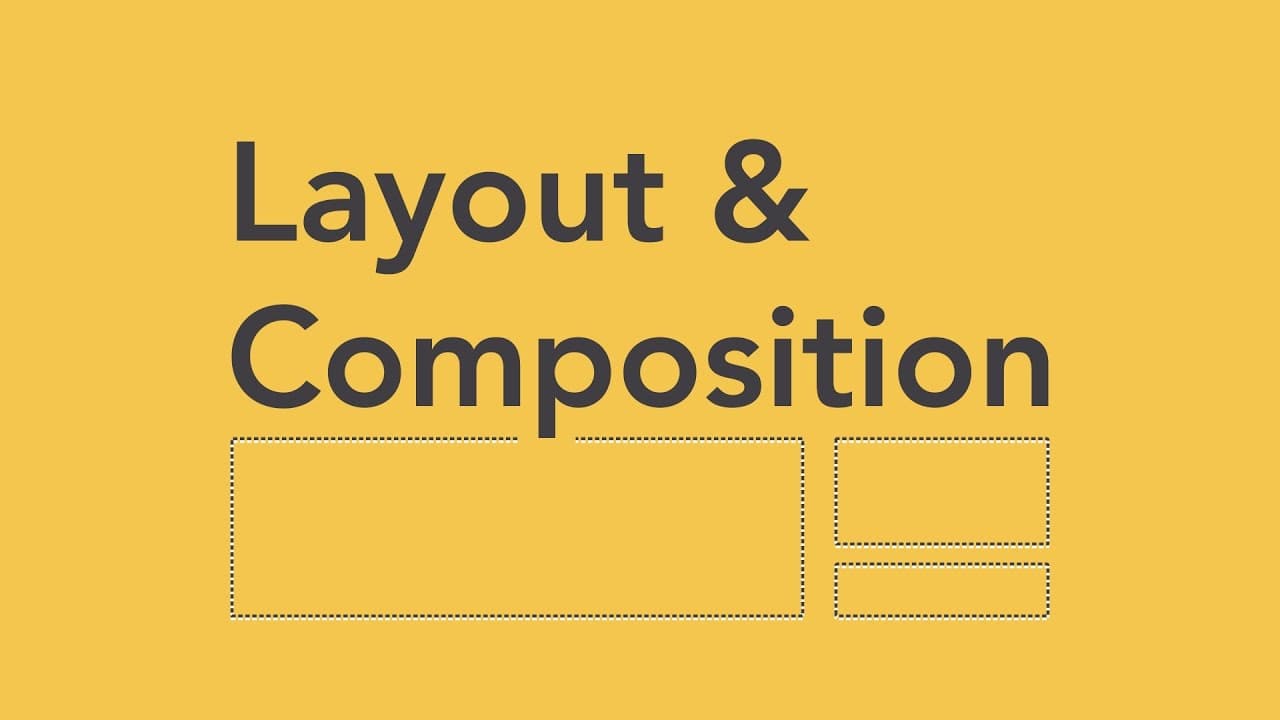
The five basic principles of layout and composition are proximity, white space, alignment, contrast, and repetition. These principles help structure design, improve navigation, and make content more visually appealing, ensuring that related items are grouped, while maintaining clarity and consistency throughout the work.
Transcript
Layout and composition. In a way, they're the foundation of design. They give your work structure and make it easier to navigate, from the margins on the sides... to the content in between. Of course, it's not just about working with text. Composition matters in other mediums too, like graphic design, web design, and much more. Without a well-compo... Read More
Key Insights
- 🎨 Layout and composition are foundational elements of design that can be applied across various mediums.
- 🆘 Proximity helps visually indicate relationships between elements in a composition.
- 👾 White space provides breathing room and separation between content sections.
- ❓ Consistent alignment improves the organization of a composition.
- 🦻 Contrast aids in catching attention and establishing hierarchy.
- 👀 Repetition reinforces the overall design and creates a consistent look and feel.
- 👀 Attention to detail in layout and composition can result in professional-looking compositions.
Install to Summarize YouTube Videos and Get Transcripts
Explore YouTube Video Summarizer or Get YouTube Transcript Extractor
Questions & Answers
Q: What is the purpose of proximity in layout and composition?
Proximity helps visually show relationships in your content by grouping related items together, making it easier to understand the content at a glance.
Q: How does white space impact a composition?
White space, or negative space, helps define and separate different sections in a composition, giving the content room to breathe and preventing it from feeling cluttered or uncomfortable.
Q: Why is consistency important in alignment?
Consistency in alignment, such as centering images to text or maintaining equal-sized margins, allows for easier navigation and prevents the work from feeling disorganized.
Q: How does contrast contribute to hierarchy in a composition?
Contrast can catch the reader's eye, create emphasis, and establish different levels of hierarchy in a composition. Higher-level or important items are usually larger, bolder, or more eye-catching.
Key Insights:
- Layout and composition are foundational elements of design that can be applied across various mediums.
- Proximity helps visually indicate relationships between elements in a composition.
- White space provides breathing room and separation between content sections.
- Consistent alignment improves the organization of a composition.
- Contrast aids in catching attention and establishing hierarchy.
- Repetition reinforces the overall design and creates a consistent look and feel.
- Attention to detail in layout and composition can result in professional-looking compositions.
- mastering the basics of layout and composition can enhance the overall visual appeal and effectiveness of design projects.
Summary & Key Takeaways
-
Layout and composition are essential in design as they provide structure and improve navigation.
-
The five basic principles of layout and composition are proximity, white space, alignment, contrast, and repetition.
-
Proximity ensures related items are grouped together, while white space defines and separates different sections. Alignment creates consistency and organization, while contrast and repetition add visual interest and reinforce the design.
Read in Other Languages (beta)
Share This Summary 📚
Summarize YouTube Videos and Get Video Transcripts with 1-Click
Try YouTube Summary with ChatGPT & Claude or YouTube Transcript Generator
Explore More Summaries from GCFLearnFree 📚


Summarize YouTube Videos and Get Video Transcripts with 1-Click
Try YouTube Summary with ChatGPT & Claude or YouTube Transcript Generator