The Curiosity Rover Landing
TL;DR
The Curiosity rover's landing process on Mars involves intense and complex maneuvers that must be executed flawlessly.
Transcript
Hello. I'm Hank Green. And welcome to the special edition of SciShow News. Eight months ago, the final stage of the Mars Science Laboratory's launch vehicle pushed the craft to 13,000 miles per hour. Ready for its journey to Mars. The Mars Science Laboratory, or Curiosity rover, is a massive interplanetary payload. The largest ever delivered to the... Read More
Key Insights
- 🚚 The Curiosity rover is the largest ever delivered to Mars, making its landing a complex endeavor.
- 🇲🇭 The "Seven Minutes of Terror" refers to the period during which the rover goes from 13,000 miles per hour to zero and lands on Mars.
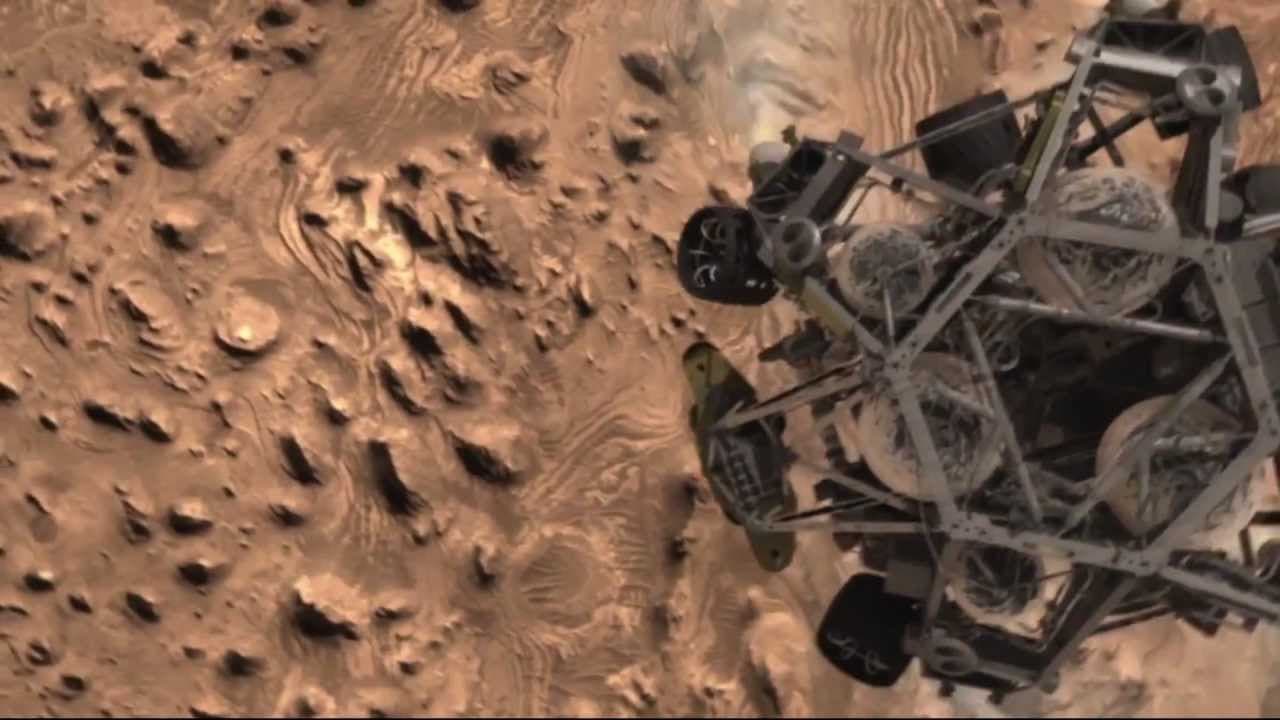
- 🥵 Various stages, including a heat shield, parachute, retro-rockets, radar, and sky-crane maneuver, ensure a safe and precise landing.
- 🥃 The sky-crane maneuver is used to prevent dust damage to the rover's instruments during descent.
- 🌐 The landing is a significant scientific moment in human history, captivating global attention.
- 😤 The successful landing will be indicated by a signal sent from the rover, bringing relief to the mission team.
- 👀 The community can join the intense scientific moment by watching and live-tweeting the landing event.
Install to Summarize YouTube Videos and Get Transcripts
Explore YouTube Video Summarizer or Get YouTube Transcript Extractor
Questions & Answers
Q: What is the "Seven Minutes of Terror" in relation to the Curiosity rover's landing?
The "Seven Minutes of Terror" is the period during which the Curiosity rover goes from its initial entry into the Martian atmosphere to its final landing on the Martian surface. It involves intense maneuvers to slow down the craft and ensure a safe landing.
Q: How does the parachute play a role in the landing process?
The largest supersonic parachute ever designed is used to slow down the Curiosity rover further. It detaches after deployment, allowing the falling craft to be caught by retro-rockets, which further slow it down and eliminate horizontal speed.
Q: Why is a sky-crane maneuver used for the final descent?
The sky-crane maneuver is used because if the craft were to lower itself all the way to the surface on rockets, it would kick up a significant amount of dust that could damage the rover's instruments. The sky-crane maneuver ensures a gentle landing without dust interference.
Q: What happens if all the landing steps go perfectly?
If all the landing steps go perfectly, the Curiosity rover will send out a signal indicating it has safely landed on the planet's surface, bringing massive relief to the mission team.
Summary & Key Takeaways
-
The Curiosity rover is the largest ever delivered to the surface of Mars, and it required meticulous planning to land in a specific location.
-
NASA refers to the rover's descent and landing process as the "Seven Minutes of Terror," as it goes from a speed of 13,000 miles per hour to zero during the landing.
-
The landing involves the use of a heat shield, a supersonic parachute, retro-rockets, radar, and a sky-crane maneuver to ensure a safe landing.
Read in Other Languages (beta)
Share This Summary 📚
Summarize YouTube Videos and Get Video Transcripts with 1-Click
Try YouTube Summary with ChatGPT & Claude or YouTube Transcript Generator
Explore More Summaries from SciShow 📚


Summarize YouTube Videos and Get Video Transcripts with 1-Click
Try YouTube Summary with ChatGPT & Claude or YouTube Transcript Generator