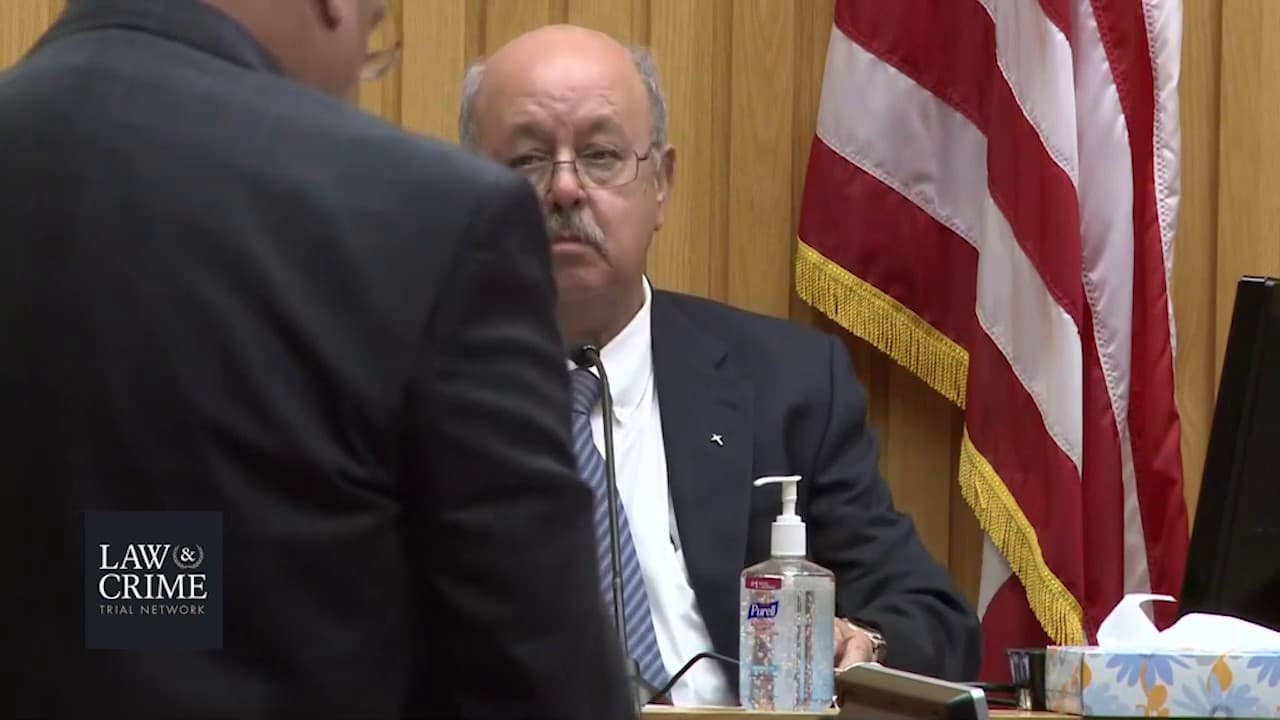
Eric Boyd Trial Day 2 Witness: Ret Police Tech Joe Cox Part 1
TL;DR
Crime scene analyst recounts evidence collection in a criminal case through detailed photo documentation.
Transcript
tonight do you solemnly swear or affirm the evidence you're about to give in the hearing of this cause will be the truth the whole truth and nothing but the truth yes Tennessee if you're Joe Cox retired from Knoxville Police Department is that correct yes and what will be appointed with late 1973 through two years ago what were your duties with the... Read More
Key Insights
- 🖐️ Crime scene analysts play a crucial role in collecting and preserving evidence for criminal investigations.
- 🦻 Detailed photo documentation and videography aid in understanding crime scenes and determining what happened.
- 🤘 Chain of custody procedures, like signing for evidence handling, ensure accountability in preserving evidence integrity.
- ❓ Evidence handling involves careful packaging, sealing, and transportation to maintain its integrity and prevent contamination.
- 😤 Collaborative efforts with investigative teams and utilizing forensic labs for further analysis enhance evidence investigation.
- 🍵 The importance of handling evidence with gloves and maintaining a record of who accessed it is essential in legal proceedings.
- 🎑 Detailed visual documentation with photographs and videos assists investigators in reconstructing crime scenes.
Install to Summarize YouTube Videos and Get Transcripts
Explore YouTube Video Summarizer or Get YouTube Transcript Extractor
Questions & Answers
Q: What were the primary duties of the crime scene analyst?
The analyst's main duties included ensuring victim safety, collecting evidence like fingerprints, photographing evidence, and preserving the crime scene's integrity.
Q: How was the evidence collected and preserved?
Evidence was collected with gloves, sealed in containers, and each instance of handling was signed for accountability. The preserved evidence was then sent for further analysis to crime labs.
Q: What importance did photography and videography hold in evidence collection?
Photography and videography were critical to documenting the crime scene's condition before evidence handling, providing crucial visual records for investigations.
Q: How was evidence transported and secured after collection?
The evidence was bagged, transported in a paddy wagon, taken to the lab, and laid out to assess all collected items, ensuring secure handling throughout the process.
Summary & Key Takeaways
-
Retired crime scene analyst recounts 25 years of experience in collecting and preserving evidence from crime scenes.
-
Detailed process of photographing, videotaping, and documenting evidence to aid investigations.
-
Testimony includes walkthrough of a specific crime scene with visual aids of collected evidence.
Read in Other Languages (beta)
Share This Summary 📚
Summarize YouTube Videos and Get Video Transcripts with 1-Click
Try YouTube Summary with ChatGPT & Claude or YouTube Transcript Generator
Explore More Summaries from Law&Crime Network 📚



Summarize YouTube Videos and Get Video Transcripts with 1-Click
Try YouTube Summary with ChatGPT & Claude or YouTube Transcript Generator