The Giant Pond Rat That Built America
TL;DR
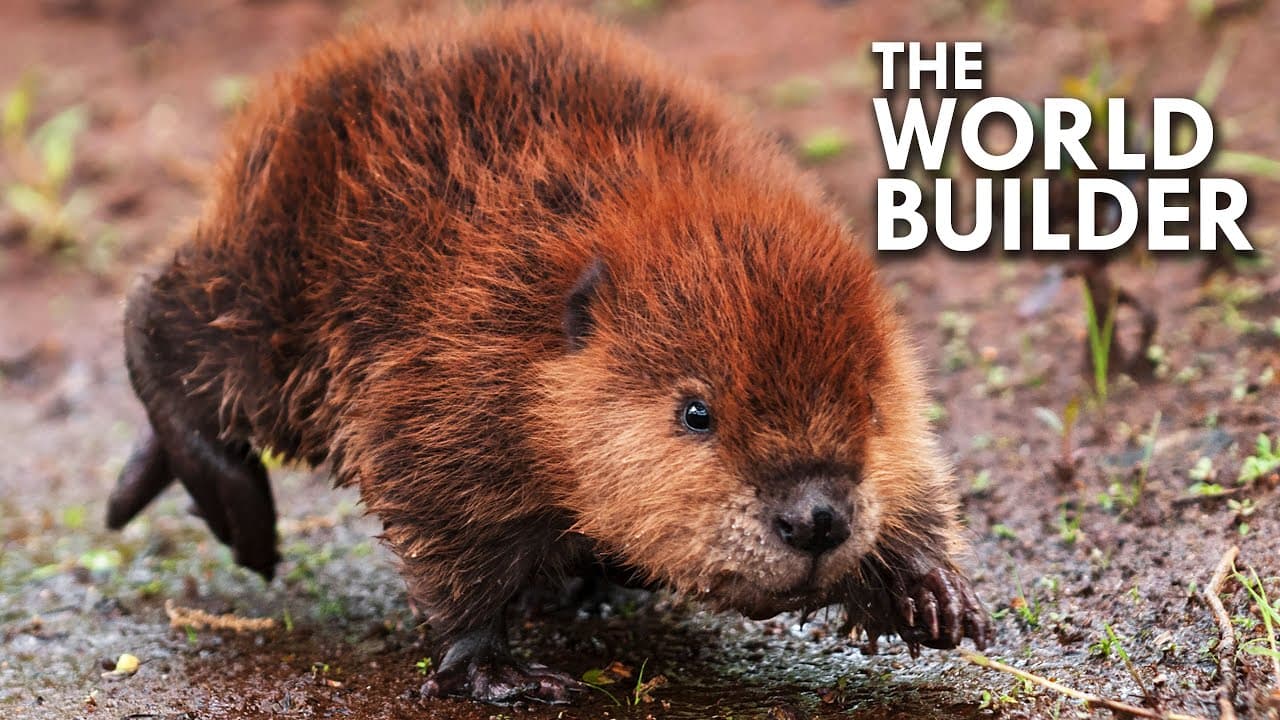
The North American beaver is a fascinating rodent that is known for its engineering abilities and its impact on the ecosystem.
Transcript
a master engineer that can build giant megastructures that benefit its ecosystem a destructive agent of chaos that can wreck acres of farmland or a fluffy fur machine that's the prime material for fancy hats this giant north american rodent has battled public perceptions for centuries but today we're setting the record straight this is the symbol o... Read More
Key Insights
- 🇦🇸 The North American beaver is the largest rodent in North America and is known for its unique adaptations, such as its flat tail and ability to hold its breath underwater.
- 😲 Beavers are expert engineers, creating dens, dams, and canals to modify their environment for improved living conditions and survival rates.
- 🦻 Their impact on the environment is significant, providing safe refuge for themselves and other species, promoting biodiversity, and even aiding in salmon populations.
- 🥹 Beavers have various adaptations to protect themselves from predators, such as their ability to hold their breath underwater, their nictitating membrane, and their warning slap of the water with their tail.
- 🌲 Beavers have a varied diet, including wood pulp, herbaceous plants, and tree bark, which helps wear down their continuously growing incisors.
- 🥺 The beaver fur trade led to a significant decline in their population, but environmental protections and changes in fashion styles have helped them recover.
- 💖 Beavers' engineering activities have both positive and negative impacts on humans, including flooding agricultural land and causing damage to public parks and houses.
Install to Summarize YouTube Videos and Get Transcripts
Explore YouTube Video Summarizer or Get YouTube Transcript Extractor
Questions & Answers
Q: How do beavers protect themselves from predators?
Beavers have evolved various adaptations to protect themselves from predators, such as their ability to hold their breath underwater for up to 15 minutes, their nictitating membrane that allows them to see underwater, and their warning slap of the water with their tail.
Q: How do beavers modify their environment?
Beavers modify their environment by cutting down trees and building dams and canals. This creates ponds that provide safety and deep water for the beavers, as well as benefiting other species by creating habitats and increasing biodiversity.
Q: What do beavers eat?
While beavers have the ability to digest wood pulp, their diet is more varied, including herbaceous plants, water lilies, cattails, and the bark of trees like aspen and poplar. Their diet plays a key role in wearing down their continuously growing incisors.
Q: How did the beaver fur trade impact their population?
From the 1600s to the 1800s, beaver fur was highly valued in Europe, leading to the trapping of over 80,000 beavers per year. This caused their population to crash, but environmental protections and changes in fashion styles have helped the beavers recover.
Key Insights:
- The North American beaver is the largest rodent in North America and is known for its unique adaptations, such as its flat tail and ability to hold its breath underwater.
- Beavers are expert engineers, creating dens, dams, and canals to modify their environment for improved living conditions and survival rates.
- Their impact on the environment is significant, providing safe refuge for themselves and other species, promoting biodiversity, and even aiding in salmon populations.
- Beavers have various adaptations to protect themselves from predators, such as their ability to hold their breath underwater, their nictitating membrane, and their warning slap of the water with their tail.
- Beavers have a varied diet, including wood pulp, herbaceous plants, and tree bark, which helps wear down their continuously growing incisors.
- The beaver fur trade led to a significant decline in their population, but environmental protections and changes in fashion styles have helped them recover.
- Beavers' engineering activities have both positive and negative impacts on humans, including flooding agricultural land and causing damage to public parks and houses.
- However, their engineering also benefits other species by providing protection, food sources, and creating stable habitats, ultimately contributing to increased biodiversity.
Summary & Key Takeaways
-
The North American beaver is the largest rodent in North America and is known for its unique adaptations, such as its flat tail and ability to hold its breath underwater.
-
Beavers are expert engineers, creating dens, dams, and canals to modify their environment for improved living conditions and survival rates.
-
Their impact on the environment is significant, providing safe refuge for themselves and other species, promoting biodiversity, and even aiding in salmon populations.
Read in Other Languages (beta)
Share This Summary 📚
Summarize YouTube Videos and Get Video Transcripts with 1-Click
Try YouTube Summary with ChatGPT & Claude or YouTube Transcript Generator
Explore More Summaries from Animalogic 📚
Summarize YouTube Videos and Get Video Transcripts with 1-Click
Try YouTube Summary with ChatGPT & Claude or YouTube Transcript Generator