What Is It Like to Be a First-Generation American?
TL;DR
Being a first-generation American often involves navigating multiple identities, as seen through the lens of cultural experiences like food. Many first-generation individuals face misconceptions about their backgrounds, with African immigrants being the fastest-growing and most educated demographic in the U.S. Understanding and engaging with their stories helps combat stereotypes and fosters a more inclusive society.
Transcript
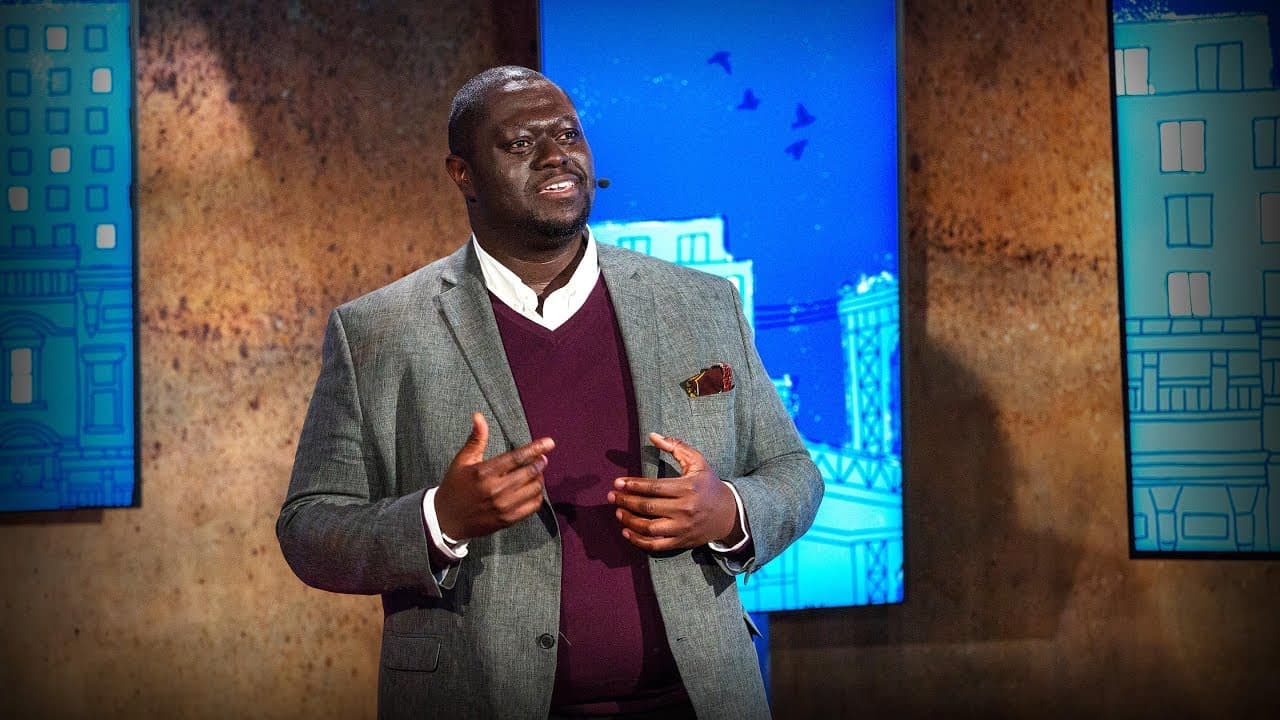
I remember one morning when I was in the third grade, my mom sent me to school with a Ghanaian staple dish called "fufu." (Laughter) Fufu is this white ball of starch made of cassava, and it's served with light soup, which is a dark orange color, and contains chicken and/or beef. It's a savory, flavorful dish that my mom thought would keep me warm ... Read More
Key Insights
- 🍲 The distinction between cultural foods can lead to feelings of exclusion and misunderstanding among immigrant children, highlighting the challenges of navigating multiple identities.
- 🌍 Millions of people worldwide are juggling multiple classifications and identities, born and raised in a country different from their parents.
- 🏢 Despite growing up in diverse cities like New York, first-generation individuals can still face moments of exclusion and misunderstanding that shape their understanding of their different worlds.
- 🔍 Misconceptions and complex cultural issues surrounding immigrants extend beyond childhood inquiries, as adults often have limited knowledge about who immigrants truly are.
- 📚 African immigrants are the fastest-growing and most educated immigrant demographic in the United States, challenging common stereotypes and assumptions.
- 🌐 Digital storytelling and technology can provide a platform for first-generation immigrants to share their stories, combating misunderstanding and highlighting the experiences of those with hyphenated identities.
- 🖼️ Engaging in conversation and seeking to understand immigrants beyond limited media narratives is crucial to recognizing their contributions and uncovering shared histories.
- 🌍 Immigrants are walking melting pots of culture, and embracing their differences can lead to a richer and more inclusive society.
Install to Summarize YouTube Videos and Get Transcripts
Explore YouTube Video Summarizer or Get YouTube Transcript Extractor
Questions & Answers
Q: What was the speaker's experience with bringing fufu, a Ghanaian dish, to school?
The speaker's mom sent him to school with fufu, which is a white ball of starch made of cassava and served with light soup. However, when he opened his thermos at lunch, his friends reacted unfavorably and made him lose his appetite.
Q: How did the speaker feel about his cultural identity as a first-generation American?
The speaker considers himself an American, African, and Ghanaian. Growing up in a diverse place like New York, he expected it to be easy to find his place, but there were moments throughout his childhood that made him realize the distinction between his family's uniqueness and the common experiences of others.
Q: What were some misconceptions and questions the speaker encountered about being an immigrant?
When the speaker was asked if his family were refugees, he didn't understand the term. He later discovered that some people believed refugees were people from Africa escaping death, starvation, and disease. In junior high school, a student questioned if the speaker was even black, showing confusion over his cultural identity.
Q: What misconceptions do people have about immigrants in the United States?
People often wrongly assume that Latinos are the fastest-growing immigrant demographic in the United States, when it is actually African immigrants. Additionally, African immigrants are the most educated immigrant demographic, contrary to the presumption that Asians hold this distinction. There are also misconceptions about which countries are affected by travel bans and workplace diversity and inclusion issues.
Summary & Key Takeaways
-
The speaker recalls a childhood experience of being teased for bringing Ghanaian food to school, highlighting the cultural differences between her and her friends.
-
The speaker discusses her own background as a first-generation American with Ghanaian immigrant parents, emphasizing the complexities of belonging to multiple identities.
-
The speaker challenges misconceptions about immigrants, including the fastest-growing demographic and the most educated immigrant group, and encourages conversations to understand and appreciate diverse cultures.
Read in Other Languages (beta)
Share This Summary 📚
Summarize YouTube Videos and Get Video Transcripts with 1-Click
Try YouTube Summary with ChatGPT & Claude or YouTube Transcript Generator
Explore More Summaries from TED 📚




Summarize YouTube Videos and Get Video Transcripts with 1-Click
Try YouTube Summary with ChatGPT & Claude or YouTube Transcript Generator