How to Boost Metabolism for Better Health
TL;DR
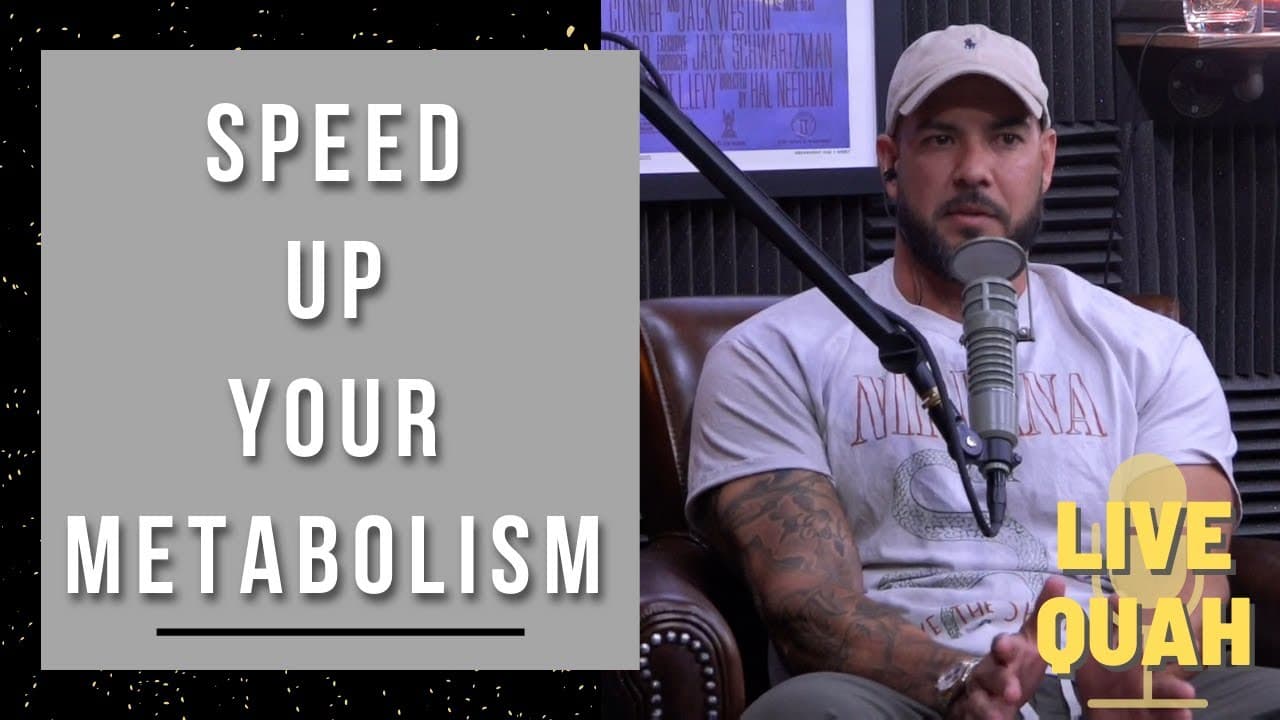
Increasing calorie intake gradually while focusing on strength training can help boost metabolism. It's crucial to listen to your body's hunger signals and ensure you're consuming enough nutrients. A slow metabolism isn't necessarily bad if you're healthy, satisfied, and gaining strength.
Transcript
our first caller is thomas from virginia hey what's up thomas how can we help you hi good afternoon guys thanks for having me yeah no problem um quick summary of a little background um bottom line i have uh i feel like i have a i'm a poster child of a uh which you guys talk about often having a very slow to almost no metabolism um basically the las... Read More
Key Insights
- Metabolism efficiency varies; some people thrive on fewer calories.
- Strength training can naturally increase appetite and metabolism.
- Listening to hunger cues is essential for maintaining a healthy metabolism.
- Increasing calorie intake should be gradual and aligned with physical activity.
- Low calorie intake can limit flexibility in diet and social eating.
- Strength gains are a reliable indicator of effective metabolism management.
- Body composition changes may not reflect immediately on the scale.
- Ensuring adequate nutrient intake is crucial, especially on a low-calorie diet.
Install to Summarize YouTube Videos and Get Transcripts
Explore YouTube Video Summarizer or Get YouTube Transcript Extractor
Questions & Answers
Q: How can I boost my metabolism?
To boost metabolism, focus on increasing your calorie intake gradually while engaging in regular strength training. This combination can help stimulate your appetite and encourage muscle growth, which in turn can enhance your metabolic rate. Listening to your body's hunger signals and ensuring you're consuming enough nutrients is also crucial.
Q: Is a slow metabolism bad for health?
A slow metabolism isn't necessarily bad for health if you're otherwise healthy, satisfied with your calorie intake, and gaining strength. It's more about how your body efficiently uses energy. If you're meeting your nutritional needs and maintaining a healthy lifestyle, a slower metabolism can still support good health.
Q: Why should I listen to my hunger signals?
Listening to hunger signals helps ensure that you're consuming the right amount of nutrients your body needs. It prevents overeating or undereating and supports a balanced metabolism. By responding to your body's cues, you can maintain energy levels, support muscle growth, and enhance overall health.
Q: What are the benefits of strength training for metabolism?
Strength training helps boost metabolism by increasing muscle mass, which burns more calories at rest. It can also naturally increase your appetite, encouraging a higher calorie intake that supports metabolic health. Additionally, strength gains are a reliable indicator that your metabolism is functioning effectively.
Q: How does calorie intake affect metabolism?
Calorie intake directly affects metabolism by providing the energy necessary for bodily functions. Consuming too few calories can slow metabolism, while a gradual increase, especially when paired with physical activity, can enhance it. Adequate calorie intake ensures that you meet your body's energy and nutrient needs.
Q: Why is gradual calorie increase recommended?
A gradual calorie increase is recommended to allow your body to adjust without causing discomfort or unwanted weight gain. It helps your metabolism adapt to a higher energy intake, supports muscle growth, and ensures that you're consuming enough nutrients to fuel your body's needs effectively.
Q: What role does nutrient intake play in metabolism?
Nutrient intake plays a critical role in metabolism by providing the essential vitamins and minerals that support energy production and bodily functions. Ensuring adequate nutrient intake is crucial, especially on a low-calorie diet, to maintain metabolic health and prevent deficiencies that can impair metabolism.
Q: How can body composition affect metabolic rate?
Body composition affects metabolic rate as muscle tissue burns more calories than fat tissue. Increasing muscle mass through strength training can enhance metabolic rate, even if the scale doesn't show immediate changes. Focusing on body composition rather than just weight can provide a more accurate picture of metabolic health.
Summary & Key Takeaways
-
Gradually increasing calories while focusing on strength training can help enhance metabolism. It's important to listen to your body's hunger signals and ensure you're consuming enough nutrients. A slow metabolism isn't necessarily bad if you're healthy, satisfied, and gaining strength.
-
While a slow metabolism can be efficient, it may limit dietary flexibility. Strength gains indicate effective metabolism management, and gradual calorie increases aligned with physical activity can help. Ensuring adequate nutrient intake is crucial, especially on a low-calorie diet.
-
Body composition changes might not immediately reflect on the scale, but strength training can naturally increase appetite and metabolism. Listening to hunger cues and making gradual dietary adjustments are key to maintaining a healthy metabolism.
Read in Other Languages (beta)
Share This Summary 📚
Summarize YouTube Videos and Get Video Transcripts with 1-Click
Try YouTube Summary with ChatGPT & Claude or YouTube Transcript Generator
Explore More Summaries from Mind Pump Show 📚




Summarize YouTube Videos and Get Video Transcripts with 1-Click
Try YouTube Summary with ChatGPT & Claude or YouTube Transcript Generator