What Causes Earthquakes and Where Do They Happen?
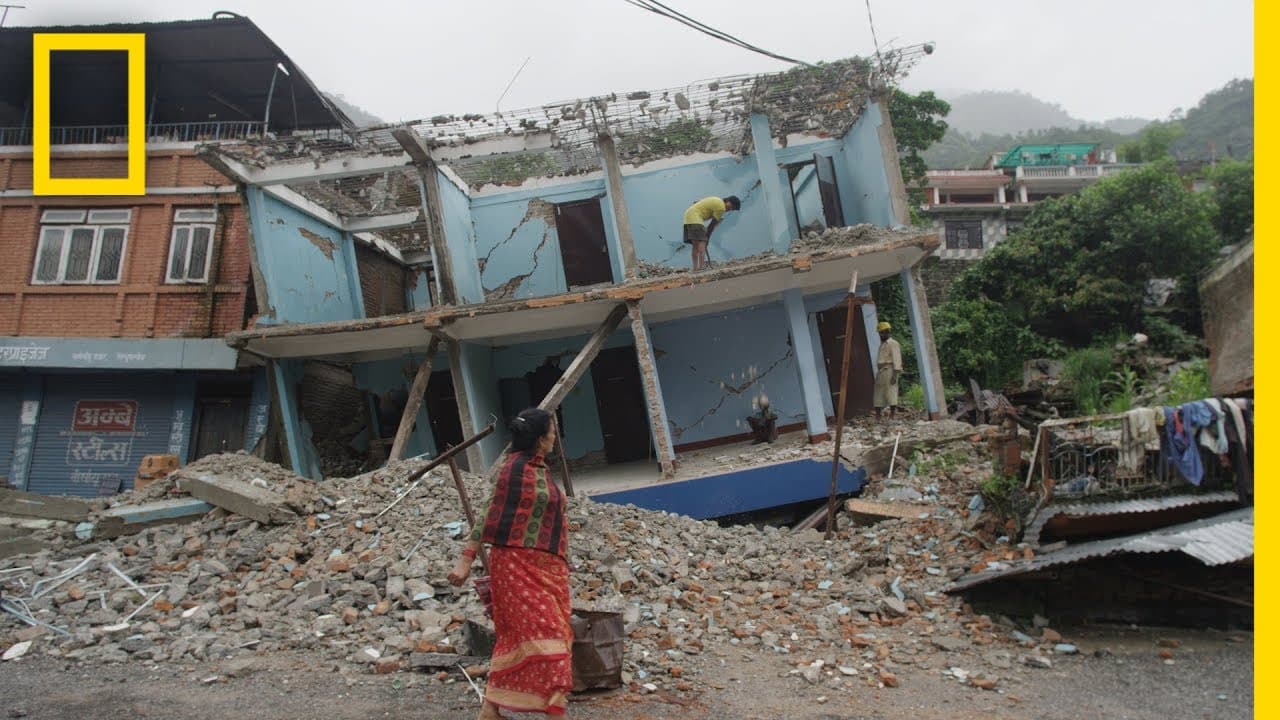
TL;DR
Earthquakes are caused by the movement of tectonic plates, resulting in pressure release that fractures the Earth’s crust. Most earthquakes occur in three key regions: the mid-Atlantic ridge, the alpide belt, and the circum-Pacific belt, which collectively experience about 80% of global earthquakes. The moment magnitude scale is used to measure their strength, with the most powerful recorded earthquake reaching a magnitude of 9.5 in 1960.
Transcript
from above the planet appears eerily still but every mountain range and every chasm on its face is a scar with many telling a story of when the earth rumbled to life earthquakes occur around the world they've been recorded on all seven continents but most quakes take place in just three regions the mid-atlantic ridge an underwater line that runs do... Read More
Key Insights
- 🍽️ Tectonic plate movements cause earthquakes due to geological stress in the Earth's crust.
- 🛝 Seismographs measure seismic activity by recording ground vibrations.
- ⚖️ The moment magnitude scale logarithmically assesses earthquake strength globally.
- 🪈 The Valdivia earthquake in 1960 was the most powerful recorded earthquake.
- 🏛️ Safety measures in earthquake-prone areas include earthquake-resistant building designs.
- 🎓 Public education and government drills help protect communities during seismic events.
- 💠 Earthquakes can cause devastation but also shape the Earth's unique features.
Install to Summarize YouTube Videos and Get Transcripts
Explore YouTube Video Summarizer or Get YouTube Transcript Extractor
Questions & Answers
Q: How do tectonic plates cause earthquakes?
Tectonic plates shift, creating stress at their edges that eventually releases as earthquakes when the plates slip, causing powerful energy release and ground vibrations.
Q: How are earthquakes measured?
Earthquakes are measured using seismographs and the moment magnitude scale, which assesses earthquake strength logarithmically based on ground movement.
Q: What was the most powerful recorded earthquake?
The Valdivia earthquake in 1960, near Bolivia Chile, within the circum-pacific belt, measured about 9.5 on the moment magnitude scale and triggered a deadly tsunami.
Q: What measures are taken in earthquake-prone areas?
Earthquake-prone areas implement safety measures like earthquake-resistant building designs, public education on seismic event protection, and government drills for community safety.
Summary & Key Takeaways
-
Earthquakes result from tectonic plate movement, with most occurring in the mid-Atlantic ridge, the alpide belt, and the circum-pacific belt.
-
Seismographs record seismic activity by measuring ground vibrations, with the moment magnitude scale preferred for earthquake strength assessment.
-
Earthquake-prone regions implement safety measures like earthquake-resistant building designs and drills to protect communities.
Read in Other Languages (beta)
Share This Summary 📚
Summarize YouTube Videos and Get Video Transcripts with 1-Click
Try YouTube Summary with ChatGPT & Claude or YouTube Transcript Generator
Explore More Summaries from National Geographic 📚




Summarize YouTube Videos and Get Video Transcripts with 1-Click
Try YouTube Summary with ChatGPT & Claude or YouTube Transcript Generator