7 Critical Things To Do During the Due Diligence Period
TL;DR
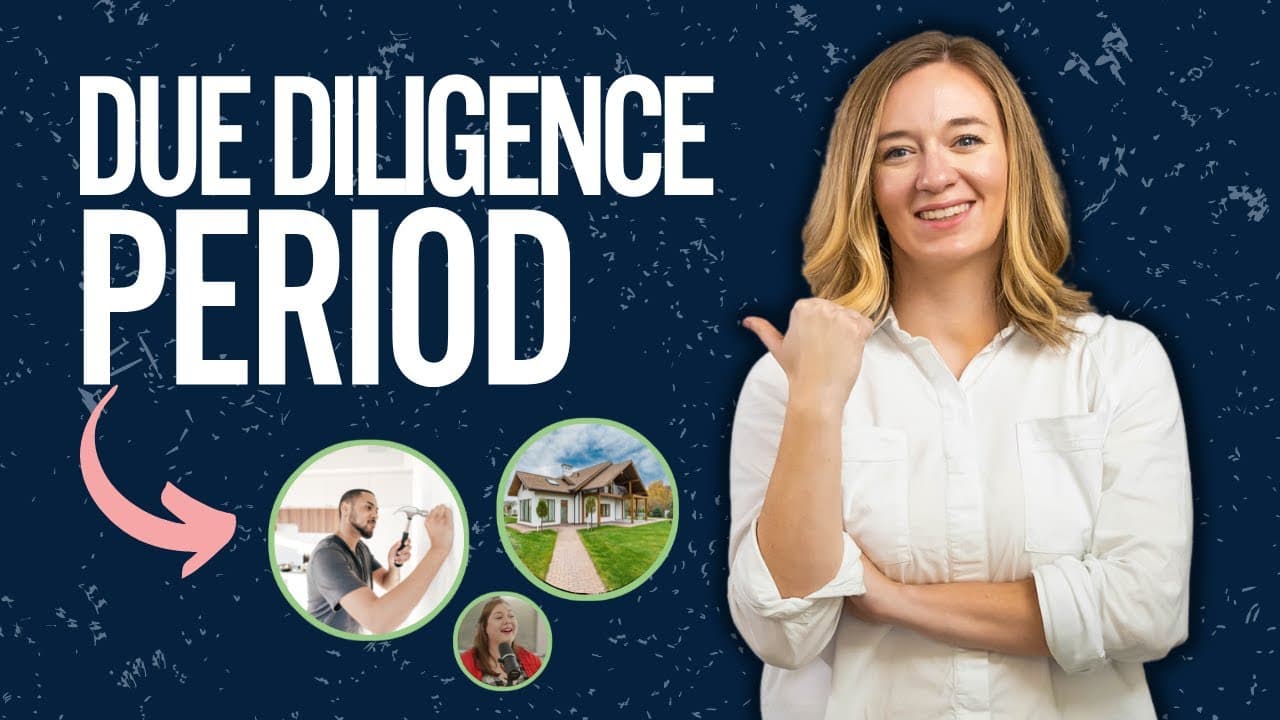
In this episode, attorneys Tiffany Weber and Aaron Weatherman discuss the buyer's due diligence process, including loan qualification, property inspection, reviewing property documents, and the importance of surveys. They also explain the repair process and the buyer's right to terminate the contract in North Carolina real estate transactions.
Transcript
get down hey everybody Welcome to the North Carolina real estate show I'm your host Tiffany Weber I'm an attorney at Thomas and Weber in Mooresville North Carolina and today I am joined by Aaron weatherman who is also an attorney so if you listen to the last episode then you heard Aaron and I breaking down the North Carolina offer to purchase so we... Read More
Key Insights
- 🇰🇵 Confirming loan qualification is crucial in North Carolina real estate transactions as the contract is not contingent upon loan approval.
- ❓ Surveys are highly recommended to determine property boundaries accurately and avoid future disputes.
- 🗯️ The buyer has the right to request repairs or replacements from the seller after property inspections, but the seller is not obligated to comply unless agreed upon in writing.
- ❓ Buyers should be cautious during property inspections to avoid causing any damages and being financially responsible for them.
- 🗯️ Terminating the contract is within the buyer's right, but the refund of payments may vary based on the contract's terms.
- 😚 A final walk-through is crucial to ensure that the property is in the agreed-upon condition before closing.
- 📔 Consulting an attorney is essential for drafting addendums or amendments to address specific contingencies or requirements not covered in the standard contract.
Install to Summarize YouTube Videos and Get Transcripts
Explore YouTube Video Summarizer or Get YouTube Transcript Extractor
Questions & Answers
Q: Why is it important for buyers to confirm their loan qualification during the due diligence process?
Confirming loan qualification is crucial because the North Carolina offer to purchase contract is not contingent upon loan approval. If a buyer's loan falls through, they may lose the due diligence fee and still be obligated to buy the property unless an attorney-drafted addendum states otherwise.
Q: What role do surveys play in the due diligence process?
Surveys are essential in determining property lines and avoiding boundary disputes. They help buyers know exactly what they are purchasing and protect them from encroachments or misunderstandings about fence or property ownership.
Q: Can the buyer request repairs or replacements from the seller after property inspections, and is the seller obligated to comply?
The buyer can request repairs or replacements from the seller after property inspections, but the seller's agreement is not required. The request should be made in writing, and the seller's refusal to perform the repairs does not constitute a breach of contract.
Q: If the buyer damages the property during inspections, who is responsible for the repairs?
The buyer is responsible for repairing any damages they cause during inspections. It is crucial to be careful and cautious during property visits to avoid any financial liabilities.
Q: Can the buyer terminate the contract at any time?
Yes, the buyer has the right to terminate the contract at any time for any reason. However, the refund of any payments made may vary depending on the specific circumstances and agreements outlined in the contract.
Summary & Key Takeaways
-
The buyer's due diligence process in North Carolina involves verifying loan qualification, conducting property inspections, reviewing property documents, such as covenants and restrictions, and obtaining surveys to determine property lines.
-
Surveys are essential to understand property boundaries and avoid disputes with neighbors. They are highly recommended by attorneys to avoid complications in real estate transactions.
-
The buyer's ability to qualify for a loan or sell their existing property does not make the contract contingent upon these factors. However, an attorney-drafted addendum is necessary if these conditions need to be included in the contract.
-
The repair process involves requesting repairs or replacements from the seller after property inspections. The request should be agreed upon in writing, and the seller's refusal to make the repairs does not constitute a breach of contract.
-
If the buyer damages the property during inspections, they are responsible for fixing or paying for the damages. Buyers should also indemnify the seller if any injuries occur during inspections.
-
The buyer has the right to terminate the contract at any time for any reason, although the refund of any payments made may vary.
-
When closing on the property, the buyer accepts it in the condition it is in unless otherwise agreed upon in writing. A final walk-through is crucial to ensure that any agreed-upon repairs have been completed satisfactorily.
Read in Other Languages (beta)
Share This Summary 📚
Summarize YouTube Videos and Get Video Transcripts with 1-Click
Try YouTube Summary with ChatGPT & Claude or YouTube Transcript Generator
Explore More Summaries from The Real Estate Lawyer 📚


Summarize YouTube Videos and Get Video Transcripts with 1-Click
Try YouTube Summary with ChatGPT & Claude or YouTube Transcript Generator