How to Use ISPSoft for Delta PLC Programming
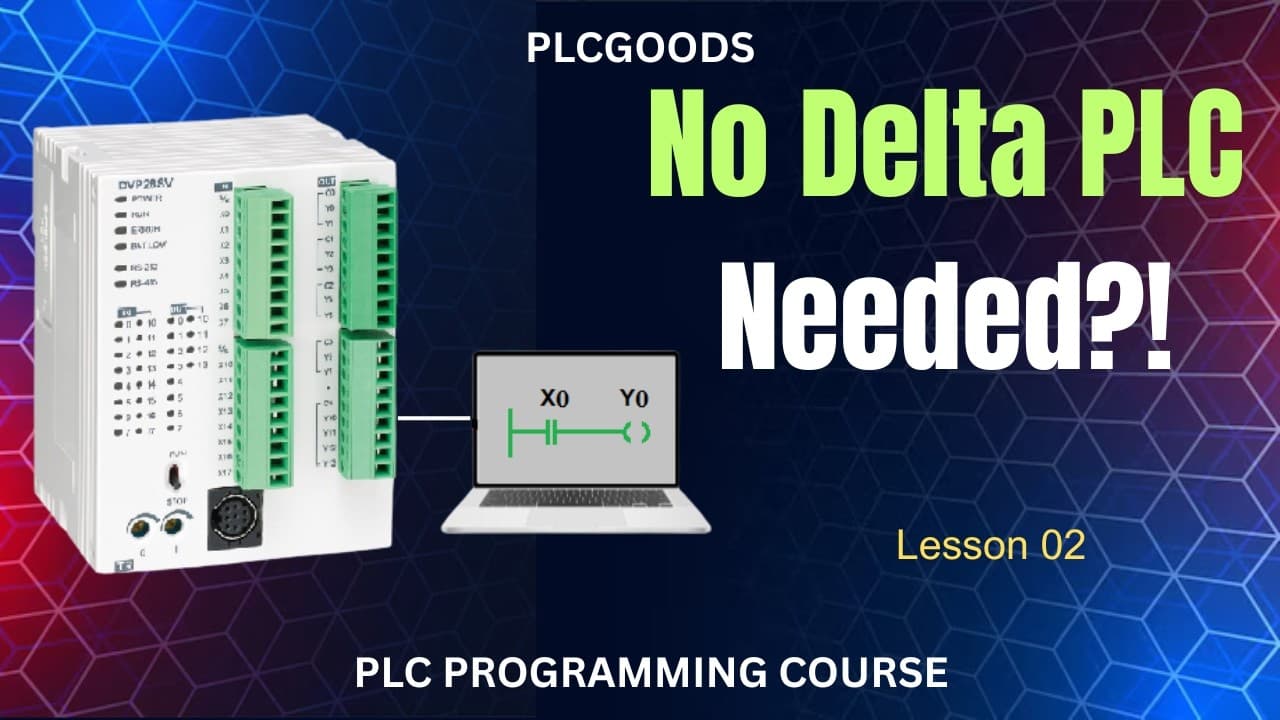
TL;DR
Learn to efficiently program Delta PLCs using ISPSoft and the COMMGR communication driver. This guide covers reading and testing programs on both real and virtual PLCs, as well as configuring hardware through HWConfig software.
Transcript
hello guys in this video i will use ispsoft to read my plc program which has been loaded in the previous video as you know this software needs com mgr for its communication settings so this software will be explained too after that we have learned how our programs can be tested without any real plc also during the last project i'll explain ... Read More
Key Insights
- The video demonstrates how to use ISPSoft to read and test PLC programs, emphasizing the role of COMMGR for communication settings.
- COMMGR is essential for establishing connections between ISPSoft and hardware, allowing for multiple configurations and connections.
- The video explains how to create and configure a USB driver using COMMGR, with specific settings for different PLC models.
- Simulators are available in ISPSoft for testing programs without real PLCs, providing a versatile solution for developers.
- The HWConfig software is discussed, highlighting its importance in defining PLC hardware configurations, especially for modular PLCs.
- A simple program is developed and tested in the video, showcasing the process of writing, compiling, and loading programs into virtual PLCs.
- The video emphasizes the importance of using default addresses when configuring hardware and modules in PLC programming.
- The channel offers additional resources and courses on PLC programming, aiming to enhance viewers' skills in industrial automation.
Install to Summarize YouTube Videos and Get Transcripts
Explore YouTube Video Summarizer or Get YouTube Transcript Extractor
Questions & Answers
Q: What is the role of COMMGR in PLC programming?
COMMGR plays a crucial role in PLC programming by facilitating communication between ISPSoft and the hardware. It allows users to create and configure communication drivers, enabling connections between multiple ISPSoft instances or hardware devices. This is essential for transferring and testing PLC programs effectively.
Q: How can programs be tested without a real PLC?
Programs can be tested without a real PLC by using simulators available in ISPSoft. These simulators allow developers to create virtual PLCs that mimic the behavior of real devices, enabling program testing and debugging in a virtual environment. This is particularly useful for those who do not have access to physical PLCs.
Q: What is the significance of HWConfig software?
HWConfig software is significant because it allows users to define and configure the hardware setup of PLCs. This is particularly important for modular PLCs, where different components like power supplies, CPUs, and I/O modules are fitted on a chassis. HWConfig ensures that the hardware configuration is accurately reflected in the PLC program.
Q: Why is it recommended to use default addresses in PLC programming?
Using default addresses in PLC programming is recommended because it simplifies the configuration process and reduces the likelihood of errors. Default addresses are pre-configured settings that are generally suitable for most applications, ensuring compatibility and ease of use when defining hardware and module connections in a PLC system.
Q: What programming languages does the selected controller support?
The selected controller supports four programming languages, including the Ladder Diagram. This language is commonly used in PLC programming due to its intuitive visual representation of control logic, making it easier for developers to design, implement, and troubleshoot PLC programs efficiently.
Q: How are digital inputs and outputs tested in a virtual PLC?
Digital inputs and outputs in a virtual PLC are tested by activating them through the simulator interface. Users can right-click on digital input addresses and use force items to simulate input changes, which in turn activate the corresponding digital outputs based on the programmed logic. This allows for thorough testing of control programs.
Q: What are the benefits of using ISPSoft for PLC programming?
ISPSoft offers several benefits for PLC programming, including the ability to create, test, and debug programs for both real and virtual PLCs. It provides a user-friendly interface, supports multiple programming languages, and integrates with COMMGR for seamless communication with hardware. These features make it a versatile tool for industrial automation projects.
Q: What additional resources are available for learning PLC programming?
The channel offers comprehensive courses on PLC programming, available on platforms like Udemy. These courses cover a range of topics from basic to advanced techniques, using different PLC brands and software, such as Siemens TIA Portal, Allen Bradley RSLogix, and Delta ISPSoft. These resources are designed to enhance learners' skills in industrial automation.
Summary & Key Takeaways
-
This video tutorial covers the basics of Delta PLC programming using ISPSoft and the COMMGR communication driver. It explains how to read and test PLC programs, both with real and virtual PLCs, and provides insights into hardware configuration using HWConfig software.
-
The tutorial highlights the importance of COMMGR in establishing connections between ISPSoft and hardware, and demonstrates the process of creating USB drivers for different PLC models. It also showcases the use of simulators for testing programs without real PLCs.
-
Viewers are encouraged to explore additional resources and courses on PLC programming offered by the channel, which cover various aspects of industrial automation and aim to enhance programming skills using different software and hardware platforms.
Read in Other Languages (beta)
Share This Summary 📚
Summarize YouTube Videos and Get Video Transcripts with 1-Click
Try YouTube Summary with ChatGPT & Claude or YouTube Transcript Generator