The Pazuzu Explored - Most Nefarious Ancient Evil Has Terrifying Roots - Exorcist Monster
TL;DR
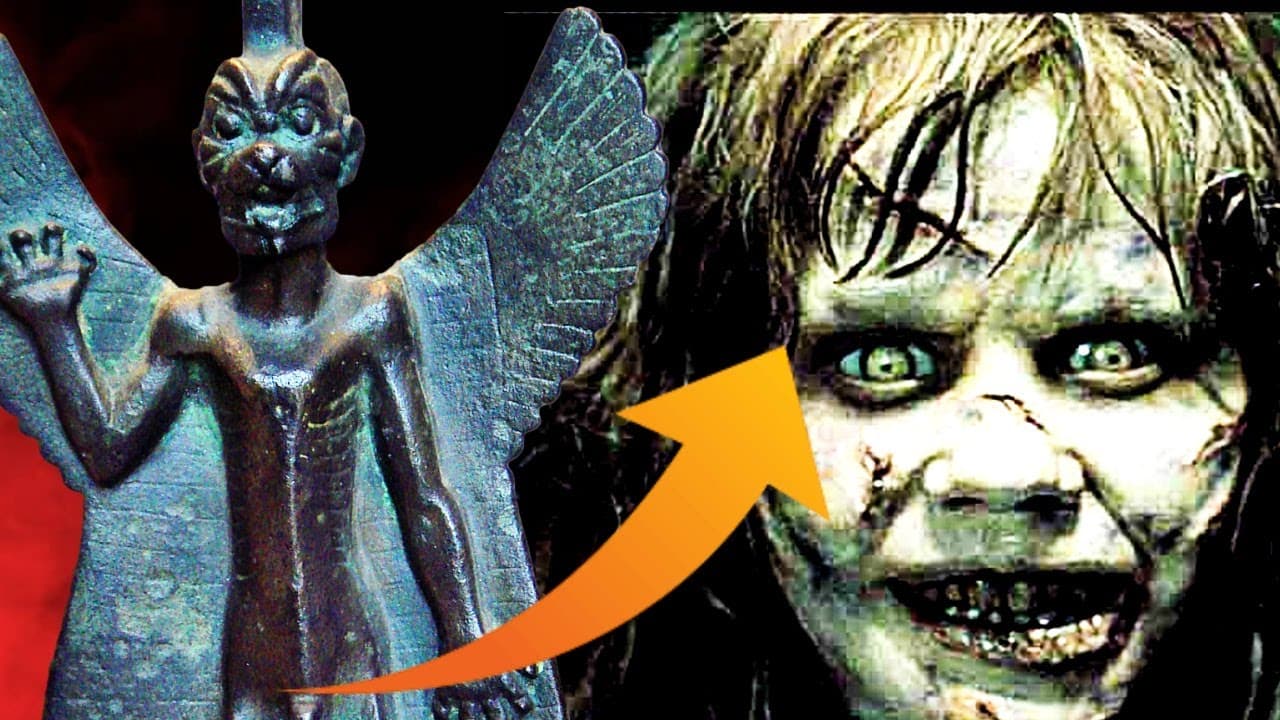
Pazuzu, not the devil, is the true antagonist in The Exorcist.
Transcript
the exorcist demon pazuzu a demonic god of the underworld the timeless horror classic the exorcist has subjected many to nightmares jump scares and impromptu surges in faith in god after watching it because of all the lore and spooky tales revolving around the film and all that's going on in the movie everyone is terrified of the devil from the fil... Read More
Key Insights
- 😨 Pazuzu serves as the true antagonist of The Exorcist, embodying elements of fear, possession, and manipulation.
- 😱 The film blends horror with cultural lore, using Pazuzu's mythological background to deepen the narrative and excite audiences.
- 🧑⚕️ Historical accounts of supernatural interactions are intertwined with psychological phenomena, highlighting the tension between belief and mental health.
- 😈 The amulet of Pazuzu illustrates the duality in mythology, representing protection from evil while paradoxically being aligned with dark forces.
- ❓ The portrayal of Pazuzu in popular culture reflects humanity's ongoing fascination with ancient demons and their complexities.
- 😈 Examining Pazuzu reveals deeper themes of moral struggle, power dynamics between good and evil, and the enduring impact of mythology on modern narratives.
- 😱 Modern adaptations of Pazuzu strengthen the connection between ancient beliefs and contemporary horror storytelling, showcasing the character's lasting influence.
Install to Summarize YouTube Videos and Get Transcripts
Explore YouTube Video Summarizer or Get YouTube Transcript Extractor
Questions & Answers
Q: Who is Pazuzu, and what is his significance in The Exorcist?
Pazuzu is the demon responsible for the possession of Reagan in The Exorcist. Unlike the portrayal of the devil, Pazuzu is rooted in Mesopotamian mythology as a powerful entity associated with evil and chaos. His portrayal elicits both fear and fascination, showcasing the complexity of demonic lore.
Q: How did Pazuzu come to be associated with Reagan's possession?
Reagan's possession occurs after she interacts with a Ouija board, leading to the manifestation of Pazuzu, who takes on the guise of "Captain Howdy." This disguise hints at a deeper psychological manipulation, transforming the innocent girl into a vessel for demonic actions intended to wreak havoc on those around her.
Q: Is there a historical basis for the possession narrative in The Exorcist?
Yes, the narrative is inspired by a true story involving a boy named Roland Doe, who experienced disturbing phenomena that the Roman Catholic Church attributed to demonic possession. His case included several exorcisms and reflected broader issues of mental health at the time, blending superstition with psychological understanding.
Q: What does the amulet of Pazuzu represent in ancient culture?
The amulet of Pazuzu was seen as a protective talisman against other evils, demonstrating the dual nature of this demon. While Pazuzu was often associated with malevolence, people wore his image to invoke his favor and protect against harm, illustrating the complex relationship ancient cultures had with their deities.
Q: How does Pazuzu compare to other demons in mythology?
In Mesopotamian mythology, Pazuzu is unique as he embodies both good and evil aspects. Despite his reputation as a demon, he was also invoked for protection against malign beings, thus painting him as a nuanced character rather than purely evil, unlike many other demons in various religious texts.
Q: What inspired Pazuzu's portrayal in The Exorcist?
The character was inspired by a statue observed by William Blatty during a trip to Iraq, leading him to develop Pazuzu’s background within the narrative framework of the film. Blatty drew upon rich mythological material that contrasts Pazuzu's ancient roots with modern horror storytelling.
Q: How did Pazuzu influence modern pop culture?
Pazuzu has become an emblem of horror, appearing not only in The Exorcist films but also in contemporary works like the Godzilla franchise. This ongoing interest reflects our fascination with ancient myths and how they inform modern depictions of evil in media, contributing to the enduring legacy of demonology in popular culture.
Q: Who are Pazuzu's modern-day followers?
One of the most notorious modern figures linked to the cult of Pazuzu is Pazuzu Algorod, who became obsessed with the demon and adopted his name. His behaviors and lifestyle manifested elements of mental illness and violent tendencies, drawing parallels to ancient worship of Pazuzu and reality blurring with fiction.
Summary & Key Takeaways
-
Pazuzu is introduced in The Exorcist as the demon possessing young Reagan, linking back to Mesopotamian mythology where he is portrayed as a powerful evil entity.
-
The character of Pazuzu reflects a complex nature, as he is both feared and sought for protection by ancient cultures, indicating a duality in his portrayal.
-
The real-life case that inspired The Exorcist involves a boy named Roland Doe, whose experiences led to a series of exorcisms by the Catholic Church, illustrating the blurred lines between mental health and possession.
Read in Other Languages (beta)
Share This Summary 📚
Summarize YouTube Videos and Get Video Transcripts with 1-Click
Try YouTube Summary with ChatGPT & Claude or YouTube Transcript Generator
Explore More Summaries from Marvelous Videos 📚



Summarize YouTube Videos and Get Video Transcripts with 1-Click
Try YouTube Summary with ChatGPT & Claude or YouTube Transcript Generator