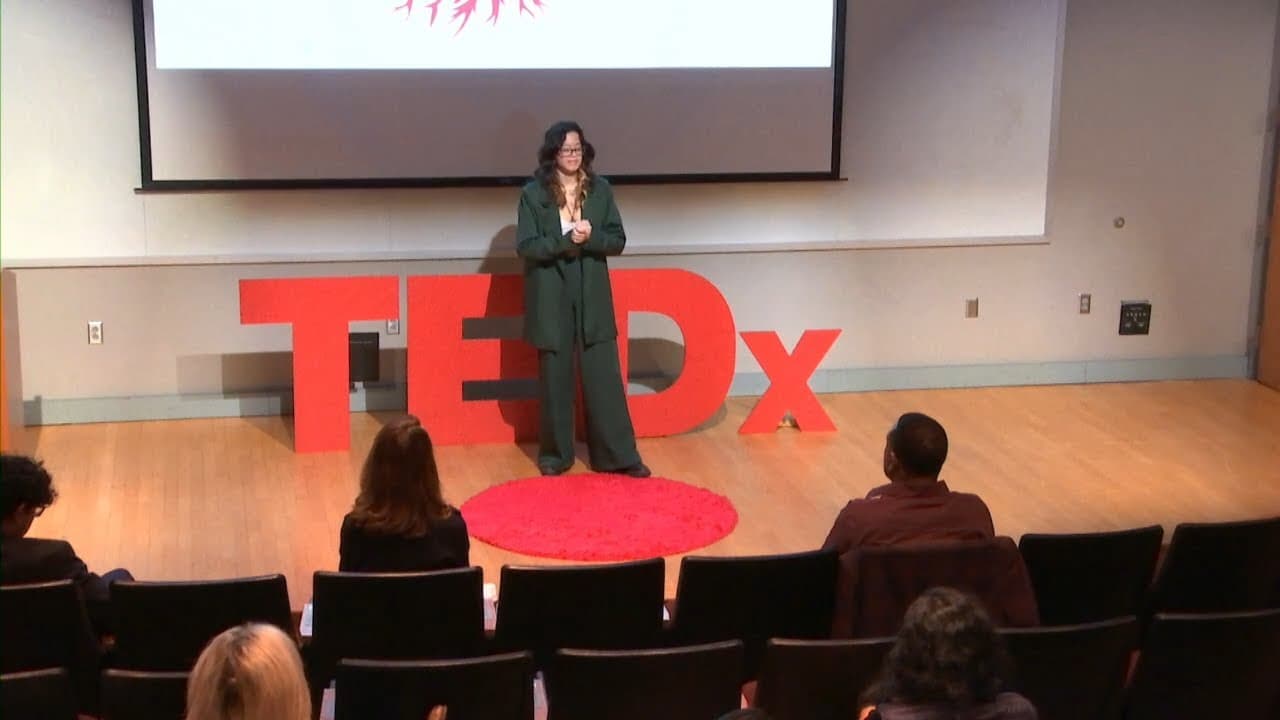
Beyond Labels | Anna Tringale | TEDxYouth@NCSSM
TL;DR
Name-based identity alienation, caused by the mispronunciation of names, leads to feelings of discomfort and disconnection from one's own identity.
Transcript
as I stood on the brink of my first day of middle school I like countless other students grappled with the unease that comes with stepping into a whole new world of learning most students would have feared navigating the Labyrinth of halls or making new friends or dealing with the challenges of more demanding studies unlike my peers though my fear ... Read More
Key Insights
- 🤕 Name-based identity alienation causes extreme feelings of hurt and discomfort.
- 🥺 Mispronunciation of names can lead to a disconnection from one's cultural identity.
- 👶 Children learn early on to diminish their identity for acceptance.
- ⚾ Multicultural settings exacerbate the feelings of name-based identity alienation.
- 😀 Immigrants often face the challenge of having their names altered to be more "American."
- 🍳 Correcting mispronunciations is crucial to breaking down identity barriers.
- ⚾ Name-based identity alienation can be combated by embracing and celebrating individuality.
Install to Summarize YouTube Videos and Get Transcripts
Explore YouTube Video Summarizer or Get YouTube Transcript Extractor
Questions & Answers
Q: What is name-based identity alienation?
Name-based identity alienation is the feeling of discomfort and disconnection from one's own identity when their name is consistently mispronounced or disregarded.
Q: How does name-based identity alienation affect students in a classroom setting?
When a student's name is continuously mispronounced or simplified, they may feel unaccepted and unheard, leading to a lack of participation and engagement in the learning environment.
Q: Why do some individuals adopt nicknames or alter their names?
People may adopt nicknames or alter their names out of convenience to prevent embarrassment and miscommunication. Particularly for those with nonwestern names, mispronunciation can be seen as a lack of respect for their culture.
Q: How does name-based identity alienation impact individuals from less represented backgrounds?
In multicultural settings, students from less represented backgrounds may feel even less valued and heard when their names are consistently mispronounced. It further diminishes their sense of cultural identity and roots.
Summary & Key Takeaways
-
The author shares their personal experience of anxiety and alienation due to the mispronunciation of their name in school.
-
Name-based identity alienation affects millions of people globally and causes extreme feelings of hurt and discomfort.
-
Mispronunciation of names can lead to a disconnection from one's cultural identity and roots.
Read in Other Languages (beta)
Share This Summary 📚
Summarize YouTube Videos and Get Video Transcripts with 1-Click
Try YouTube Summary with ChatGPT & Claude or YouTube Transcript Generator
Explore More Summaries from TEDx Talks 📚




Summarize YouTube Videos and Get Video Transcripts with 1-Click
Try YouTube Summary with ChatGPT & Claude or YouTube Transcript Generator