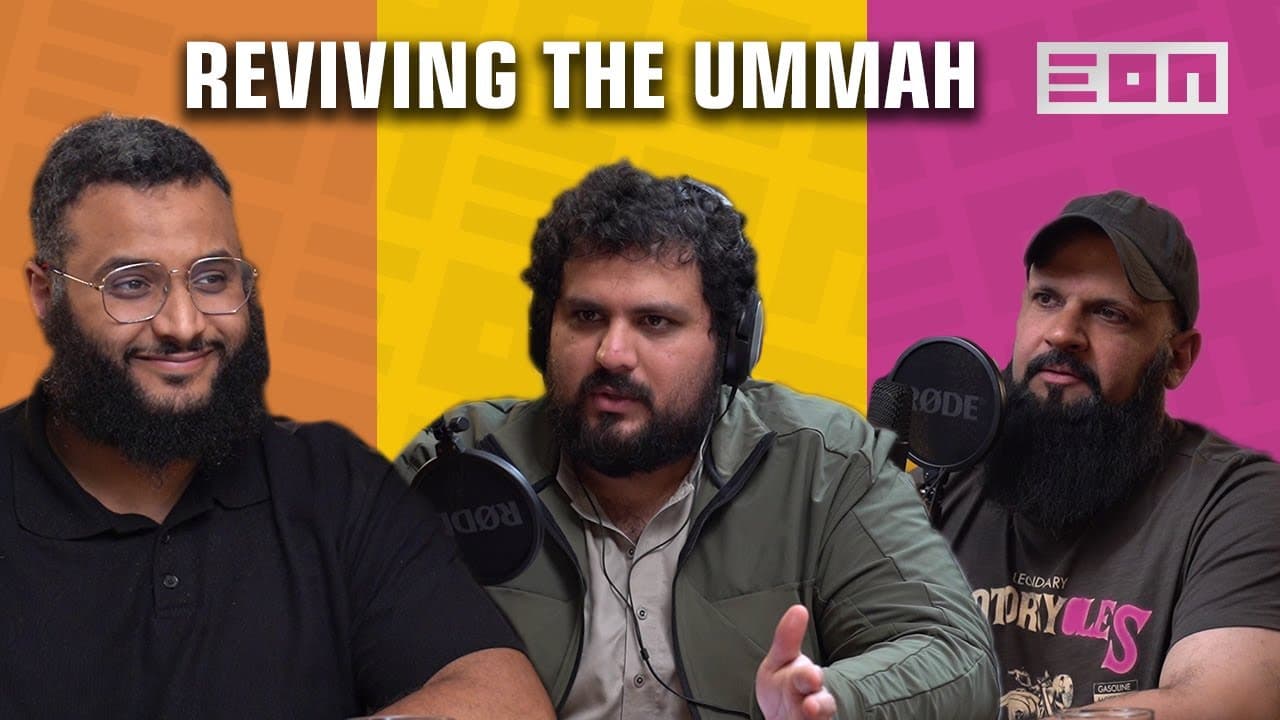
Mohammed Hijab On Reviving The Ummah, The Importance Of Arts And Culture & What Can Be Done For Gaza
TL;DR
A discussion on the need for Islamic representation in media and cultural production.
Transcript
uh asalam Alik everyone we're uh joined today by the one and only the bane of uh liberal Society in Pakistan Raja z hak uh we'll figure out the where the name comes from eventually yeah but for now I'm sure you all know Raja B and we're also joined today by the one and only uh Muhammad hijab uh I think uh I think you wanted to see the main land aft... Read More
Key Insights
- 💗 There is a growing recognition of the need for authentic Islamic representation in media to counterbalance negative stereotypes.
- 🥺 Emphasizing storytelling over didactic messaging could lead to more engaging and relatable media content for Muslims and non-Muslims alike.
- 🥶 Engaging youth in media production is essential as they understand contemporary issues and cultural dynamics better than older generations.
- 💁 The debates around the acceptability of different forms of media highlight the necessity for broader discussions within the community to find common ground.
- 🫚 Turkish dramas exemplify a successful model that can inspire similar culturally rooted projects in other Muslim societies.
- 🚀 Collaboration between organizations like youth clubs and media creators will be vital to effectively launch artistic projects aimed at engaging the youth.
- 🫡 The balance between respecting Islamic teachings and adapting to modern cultural contexts poses a challenge that creators must navigate carefully.
Install to Summarize YouTube Videos and Get Transcripts
Explore YouTube Video Summarizer or Get YouTube Transcript Extractor
Questions & Answers
Q: What is the importance of media representation for Islamic values?
Media representation plays a crucial role in shaping public perception and understanding of Islamic values. Creating authentic representations allows individuals within and outside the Muslim community to engage with the faith more deeply, fostering a greater appreciation and reducing misunderstandings based on stereotypes.
Q: How can Islamic teachings be conveyed effectively through modern media?
Islamic teachings can be conveyed effectively by focusing on storytelling that prioritizes narratives while subtly integrating messages reflecting Islamic morals. This involves ensuring quality production and relatable characters, allowing audiences to connect with the content emotionally and intellectually.
Q: What challenges do creators face when producing Islamic media content?
Creators often face challenges such as navigating differing opinions within the Muslim community regarding what is deemed acceptable or forbidden. Balancing modern storytelling techniques with traditional values requires careful consideration and sometimes leads to fear of backlash from more conservative segments.
Q: Why is it important to include youth in the production process of Islamic media?
Including youth in the production process is vital as they bring fresh perspectives and understand current trends and topics that resonate with their peers. Engaging them fosters creativity, ensuring content is relevant and relatable, ultimately leading to more substantial impact within the community.
Q: How do you see the future of Islamic media evolving?
The future of Islamic media is likely to involve a gradual shift towards more diverse and quality content that caters to contemporary issues while being grounded in Islamic principles. This evolution will be driven by collaboration among skilled creators, scholars, and community leaders to establish a unified voice.
Q: What role does animation and cartoons play in conveying Islamic messages?
Animation and cartoons serve as accessible mediums to convey Islamic messages effectively to younger audiences. They can present complex ideas in an entertaining and engaging manner, making learning about Islamic principles enjoyable and relatable for children and teenagers.
Q: How can Islamic organizations contribute to the cultural landscape in their countries?
Islamic organizations can contribute by funding and supporting culturally relevant projects that promote Islamic values through various artistic mediums. They can create platforms for artists and filmmakers, facilitate training programs, and invest in talent development to enhance the quality and reach of Islamic media.
Summary & Key Takeaways
-
The conversation focuses on how Islamic culture can be represented in modern media without compromising religious values. There is emphasis on the importance of narratives that align with Islamic principles while still appealing to contemporary audiences.
-
Key figures like Muhammad Hijab and youth community leaders discuss the challenges and strategies for creating meaningful media content, including films and animations, which can connect with youth across the globe.
-
The ongoing debate about the role of art in Islam highlights the need to engage with artistic expressions that are rooted in Islamic teachings while considering modern realities and societal perceptions.
Read in Other Languages (beta)
Share This Summary 📚
Summarize YouTube Videos and Get Video Transcripts with 1-Click
Try YouTube Summary with ChatGPT & Claude or YouTube Transcript Generator