Why 40,000 People Die for Every 1% Increase in Unemployment - The Big Short
TL;DR
Unemployment increases correlate with higher mortality rates.
Transcript
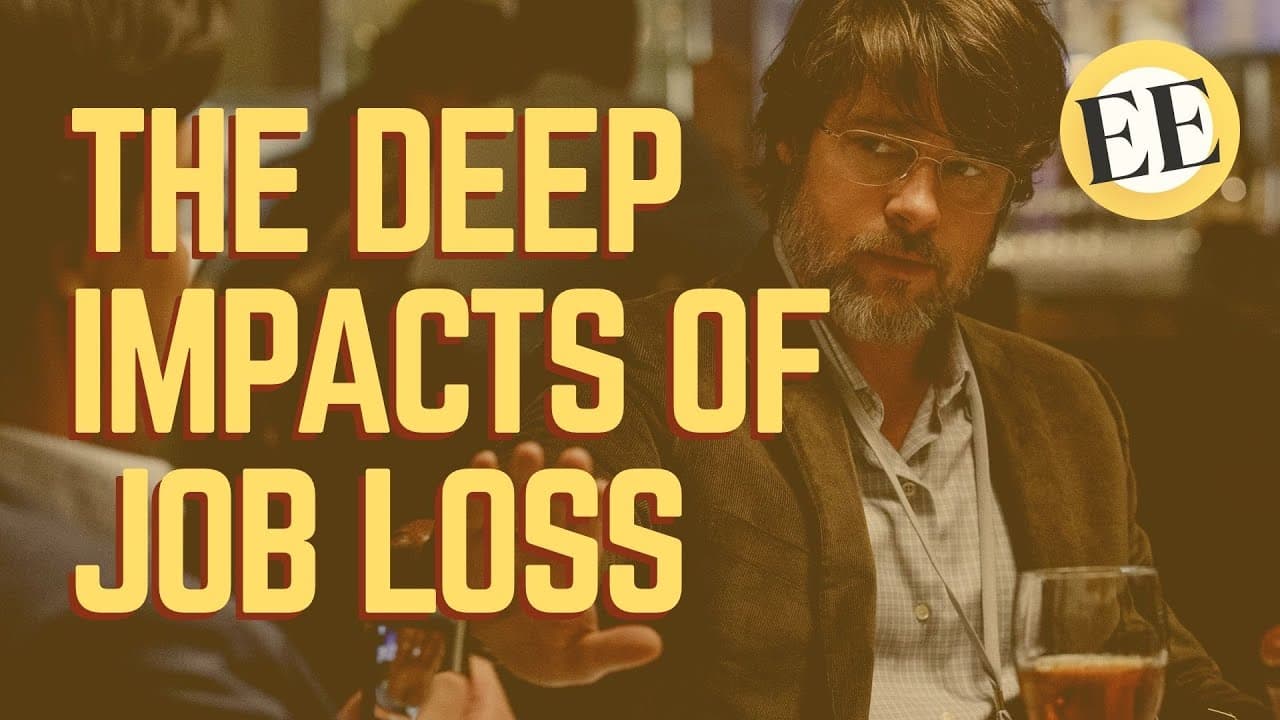
the big short was a fantastic movie, for finance nerds and regular viewers alike. One of the lines that stood out the most, amongst many memorable lines, was the claim that for every 1% increase in unemployment 40,000 people die. This is an incredibly significant claim, that adds even more weight to the already significant societal issues that come... Read More
Key Insights
- The claim that 40,000 people die for every 1% increase in unemployment is a significant assertion that highlights societal issues.
- The actual number cited should be 37,000, based on a 1981 study by Bennett Harrison and Barry Bluestone.
- Unemployment can lead to increased mortality due to stress-related diseases, substance abuse, and mental health issues.
- Recent studies suggest the risk of death increases by 63% with unemployment, but the figures are lower than earlier estimates.
- The 1981 study focused on structural unemployment, while recent unemployment spikes are more cyclical due to economic downturns.
- Countries with robust social welfare systems, like Denmark, may experience less correlation between unemployment and death.
- The impact of unemployment on mortality is complex, influenced by factors like healthcare access and social support systems.
- The movie 'The Big Short' used a dramatic line to highlight the severe consequences of economic downturns.
Install to Summarize YouTube Videos and Get Transcripts
Explore YouTube Video Summarizer or Get YouTube Transcript Extractor
Questions & Answers
Q: What is the significance of the claim made in 'The Big Short'?
The claim that 40,000 people die for every 1% increase in unemployment highlights the severe societal consequences of economic downturns. It underscores the importance of addressing unemployment not just as an economic issue but as a public health concern. This figure, although slightly exaggerated, draws attention to the broader impacts of unemployment on mortality and well-being.
Q: What are the main causes of increased mortality due to unemployment?
Unemployment contributes to increased mortality through several pathways. Stress-related diseases, such as heart disease, are prevalent due to the anxiety and financial pressures associated with job loss. Substance abuse, including alcohol and drug use, often rises as individuals cope with unemployment. Mental health issues, including depression and suicide, also correlate with unemployment, contributing to higher mortality rates.
Q: How does the recent study differ from the 1981 study regarding unemployment and mortality?
The recent study, unlike the 1981 study, suggests a 63% increase in mortality risk due to unemployment but does not equate it to a specific number of deaths. The 1981 study focused on structural unemployment, while the recent study considers individual-level data over a 12-month period. The methodological differences lead to varying conclusions about the mortality impact of unemployment.
Q: Why might countries with strong social welfare systems experience less unemployment-related mortality?
Countries with robust social welfare systems, like Denmark, provide support for retraining and education, reducing long-term unemployment. This support helps individuals transition to new jobs, mitigating the stress and financial strain associated with job loss. Access to healthcare and social services further alleviates the negative impacts of unemployment, potentially reducing the correlation between unemployment and mortality.
Q: What is the difference between structural and cyclical unemployment?
Structural unemployment occurs when there is a fundamental change in the economy, such as outsourcing or technological advancements, leading to permanent job loss in certain sectors. Cyclical unemployment, however, is related to economic downturns, where job losses are temporary and linked to the business cycle. The potential for job recovery is higher with cyclical unemployment as economic conditions improve.
Q: How does the economic context of 2020 affect unemployment and mortality predictions?
The economic context of 2020, marked by the COVID-19 pandemic, led to a significant spike in unemployment. However, this situation differs from structural unemployment as many jobs are expected to return once the pandemic subsides. While unemployment-related mortality may increase, the unique circumstances of 2020 imply that not all deaths can be directly attributed to unemployment.
Q: How does unemployment impact public health beyond mortality rates?
Unemployment affects public health by increasing the prevalence of mental health issues, including anxiety and depression. It can lead to unhealthy coping mechanisms, such as substance abuse, and exacerbate existing health conditions due to reduced access to healthcare. The stress of unemployment also affects family dynamics and community well-being, highlighting the need for comprehensive support systems.
Q: What lessons can be drawn from the studies on unemployment and mortality?
The studies underscore the multifaceted impact of unemployment on health and society. They highlight the importance of comprehensive social support systems to mitigate the negative effects of job loss. Policymakers must consider both economic and public health strategies to address unemployment, ensuring access to healthcare, retraining opportunities, and mental health support to reduce associated mortality risks.
Summary & Key Takeaways
-
The claim that 40,000 people die for every 1% increase in unemployment is examined, revealing the actual figure is closer to 37,000 based on a 1981 study. This study linked unemployment to increased mortality through stress-related diseases and substance abuse.
-
A more recent study suggests a 63% increase in mortality risk due to unemployment, but the numbers are lower than earlier estimates. Different studies focus on varying aspects of unemployment, such as structural versus cyclical unemployment.
-
Countries with strong social welfare systems may experience less correlation between unemployment and mortality. The societal impacts of unemployment are complex, involving healthcare access, social support, and economic conditions.
Read in Other Languages (beta)
Share This Summary 📚
Summarize YouTube Videos and Get Video Transcripts with 1-Click
Try YouTube Summary with ChatGPT & Claude or YouTube Transcript Generator
Explore More Summaries from Economics Explained 📚




Summarize YouTube Videos and Get Video Transcripts with 1-Click
Try YouTube Summary with ChatGPT & Claude or YouTube Transcript Generator