Why Is Conversion Therapy Still Legal in Britain?
TL;DR
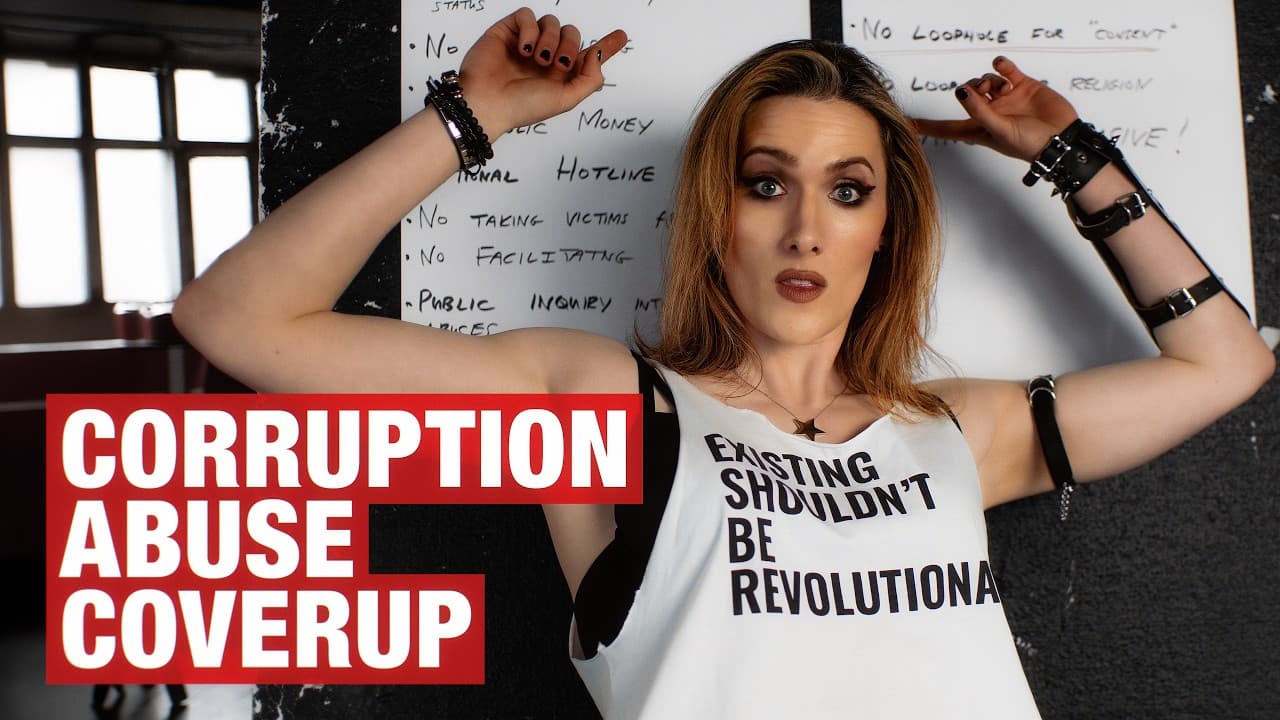
Conversion therapy remains legal in Britain, affecting the LGBTQ+ community by perpetuating harmful practices under the guise of therapy. Despite public support for a ban and promises from the government, legal loopholes and resistance from certain groups have stalled progress. Understanding the history and current influence of conversion practices is crucial to advocating for effective legislation that protects all individuals from these abusive practices.
Transcript
In the final hours of the 31st of July 2025, the office windows of a British politician, Health Secretary Wes Streeting was smashed and the words child killer spray painted by the door. This incident took place in Redbridge, East London, right where I used to live. Responsibility was claimed by a direct action group called Bash Back. In a statement... Read More
Key Insights
- Conversion therapy is still legal in Britain, affecting LGBTQ+ individuals and perpetuating harmful practices.
- The NHS and British government have been slow to implement a ban, despite public support and international pressure.
- Conversion practices are often disguised under different names, such as 'gender exploratory therapy', making them harder to regulate.
- Historical practices in conversion therapy show a pattern of professionalization and authority over queer individuals' lives.
- The Cass Review highlighted issues in trans healthcare, but its conclusions have been criticized for misrepresenting evidence.
- Contemporary conversion therapy groups have significant influence in British politics and healthcare policy.
- Regret and detransition among trans individuals are extremely rare, contrary to popular myths.
- A comprehensive ban on conversion practices should include measures against both pseudoscientific and religious forms of conversion therapy.
Install to Summarize YouTube Videos and Get Transcripts
Explore YouTube Video Summarizer or Get YouTube Transcript Extractor
Questions & Answers
Q: Why is conversion therapy still legal in Britain?
Conversion therapy remains legal in Britain due to a combination of legal loopholes, resistance from certain groups, and a lack of comprehensive legislation. Although there is public support for a ban and international pressure, these factors have stalled progress. The influence of groups promoting conversion practices and the complexity of defining and regulating these practices also contribute to the delay in implementing a ban.
Q: What did the Cass Review find about trans healthcare in the UK?
The Cass Review found several issues with trans healthcare in the UK, including long waiting times, lack of follow-up data, and the presence of concurrent mental health issues among trans youth. It also highlighted that regret and detransition are extremely rare, contrary to popular myths. However, the review faced criticism for misrepresenting evidence and excluding trans voices, particularly in its recommendations against prescribing hormones to minors.
Q: How are conversion practices disguised today?
Today, conversion practices are often disguised under different names, such as 'gender exploratory therapy' or 'reintegrative therapy,' making them harder to regulate. These practices claim to explore underlying causes of gender dysphoria or sexual orientation, often under the guise of therapy, but ultimately aim to change or suppress an individual's identity. This rebranding complicates efforts to ban conversion therapy, as it blurs the lines between legitimate therapy and harmful practices.
Q: What impact do conversion practices have on individuals?
Conversion practices can have severe psychological and emotional impacts on individuals, including increased risk of depression, anxiety, and suicidal ideation. They are inherently degrading and discriminatory, denying individuals their autonomy and reinforcing harmful stereotypes about LGBTQ+ identities. The practices often involve coercion and manipulation, undermining the individual's ability to trust their own experiences and state of mind.
Q: What role do conversion therapy groups play in British politics?
Conversion therapy groups wield significant influence in British politics, often consulting with government departments and influencing healthcare policy. Groups like Bazewater and Sex Matters have been involved in policy discussions, despite their controversial positions on LGBTQ+ rights. Their involvement complicates efforts to ban conversion practices, as they provide a platform for pseudoscientific and discriminatory views to shape legislation and public opinion.
Q: Why is a trans-inclusive ban on conversion therapy important?
A trans-inclusive ban on conversion therapy is crucial because both anti-gay and anti-trans conversion efforts are rooted in the same ideology of controlling individuals' identities based on their birth sex. A comprehensive ban protects all individuals from these abusive practices and prevents groups from exploiting loopholes that exclude trans people. Ensuring trans inclusivity in the legislation strengthens its effectiveness and aligns with international human rights standards.
Q: What historical practices influence current conversion therapy?
Historical practices in conversion therapy, such as aversion therapy and forced interventions on intersex individuals, have influenced current practices by establishing a pattern of professional authority over queer lives. These practices relied on pseudoscientific methods and reinforced societal norms about gender and sexuality. Today's conversion practices continue this trend, often under different names, making it essential to understand their history to effectively ban and regulate them.
Q: What measures are needed for a meaningful ban on conversion therapy?
A meaningful ban on conversion therapy should include measures such as denying charity status to organizations promoting these practices, banning advertising and profiting from conversion therapy, and establishing a national reporting hotline. It should also facilitate bans on taking individuals abroad for conversion practices and include training for public sector workers to recognize signs of conversion therapy. Importantly, the ban must be trans-inclusive to protect all individuals from these harmful practices.
Summary & Key Takeaways
-
Conversion therapy in Britain remains legal and unregulated, affecting many in the LGBTQ+ community. Despite promises to ban these practices, government action has been stalled by loopholes and resistance from certain groups. The Cass Review, meant to address trans healthcare, has faced criticism for misrepresenting evidence and excluding trans voices.
-
The history of conversion therapy shows a pattern of professional authority over queer lives, often under the guise of therapy. Current practices, like gender exploratory therapy, continue this trend, complicating efforts to ban conversion therapy. Effective legislation requires understanding these practices' history and influence.
-
Contemporary conversion therapy groups wield significant influence in British politics, complicating efforts to ban these harmful practices. A meaningful ban should encompass both pseudoscientific and religious forms of conversion therapy, ensuring protection for all individuals from these abusive practices.
Read in Other Languages (beta)
Share This Summary 📚
Summarize YouTube Videos and Get Video Transcripts with 1-Click
Try YouTube Summary with ChatGPT & Claude or YouTube Transcript Generator
Explore More Summaries from Philosophy Tube 📚




Summarize YouTube Videos and Get Video Transcripts with 1-Click
Try YouTube Summary with ChatGPT & Claude or YouTube Transcript Generator