How to Reduce Cart Abandonment Effectively
TL;DR
Optimizing your online shopping cart can greatly lower abandonment rates and significantly boost revenue. Key strategies include minimizing confusion, clearly expressing value, reducing anxiety, and simplifying customer choices during checkout. Small adjustments can lead to millions in additional revenue.
Transcript
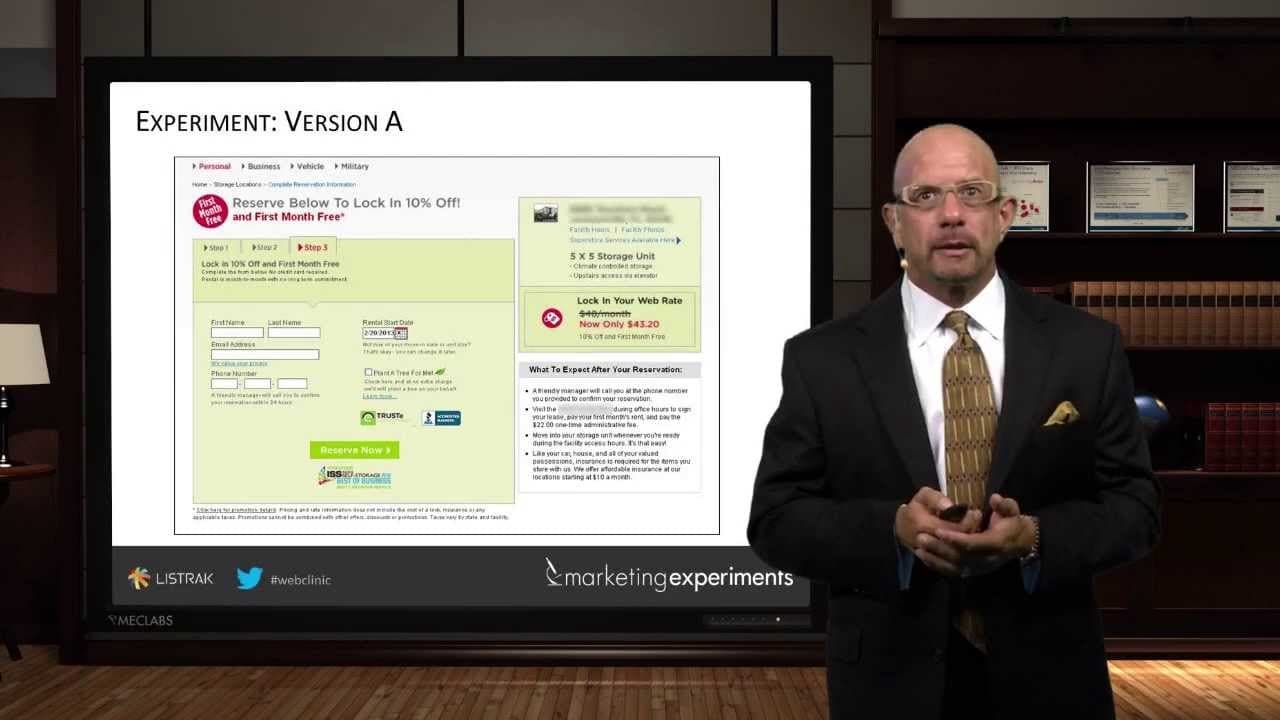
good afternoon Everyone We Begin Again yet another one of these clinics this one is on reducing cart abandonment it's different in as much as we will show you how optimizing later in the process can produce a dramatic return in fact some of the key case studies that we'll be reviewing are surprising you might note that very tiny changes in the righ... Read More
Key Insights
- 🥺 Confusion is the leading cause of cart abandonment; clear navigation and layout can help alleviate it.
- 🎨 Minor design improvements can result in substantial revenue gains, validating the importance of ongoing optimization efforts.
- 🛒 Shopping carts should not just function as utilities but as strategic tools to maintain customer engagement and cognitive momentum.
- 😑 Value expression must be consistent; reminders throughout the purchase process keep customers focused on benefits.
- ☠️ Anxiety levels peak during checkout; addressing concerns with reassuring messages can significantly boost conversion rates.
- 🐎 Offering customers too many choices can hinder conversions; simplifying options can enhance decision-making speed.
- 🛒 Ongoing optimization of shopping carts should be prioritized over broader marketing efforts, given their impact on conversion rates.
Install to Summarize YouTube Videos and Get Transcripts
Explore YouTube Video Summarizer or Get YouTube Transcript Extractor
Questions & Answers
Q: What are the primary factors contributing to cart abandonment?
Cart abandonment is primarily caused by confusion, lack of clarity, unexpressed value, undirected choices, and unaddressed anxiety. Each of these factors can create friction in the customer experience, leading them to hesitate or disengage before completing their purchase.
Q: How can minor changes in cart design impact revenue?
Minor changes, such as simplifying processes, emphasizing value, and enhancing clarity, can lead to significant increases in conversion rates. For instance, one case study demonstrated a $53 million revenue increase from making simple adjustments that improved user experience and decision-making flow.
Q: Why is cognitive momentum important in reducing cart abandonment?
Cognitive momentum refers to the acceleration of a customer’s forward movement through a sales funnel. Maintaining this momentum is crucial in minimizing friction; when customers encounter confusion or distractions, it slows down their thought process, increasing the likelihood of cart abandonment.
Q: How can marketers effectively express value throughout the checkout process?
Marketers should continuously emphasize value through clear messaging and reminders at each step of the checkout. This includes providing compelling reasons for the purchase, highlighting savings, and addressing potential anxieties, ensuring customers feel reassured about their decisions until the transaction is completed.
Summary & Key Takeaways
-
The presentation discusses strategies to reduce cart abandonment by making minor design adjustments during the checkout process, leading to increased conversions and revenue.
-
Audience participation highlights common areas of confusion and anxiety in carts, emphasizing the importance of maintaining cognitive momentum through clear and reassuring designs.
-
Case studies illustrate how even small changes can yield significant revenue increases, reinforcing the need to optimize not just landing pages but the entire purchase funnel.
Read in Other Languages (beta)
Share This Summary 📚
Summarize YouTube Videos and Get Video Transcripts with 1-Click
Try YouTube Summary with ChatGPT & Claude or YouTube Transcript Generator
Explore More Summaries from Flint McGlaughlin 📚

Summarize YouTube Videos and Get Video Transcripts with 1-Click
Try YouTube Summary with ChatGPT & Claude or YouTube Transcript Generator