Mystery Skulls | National Geographic
TL;DR
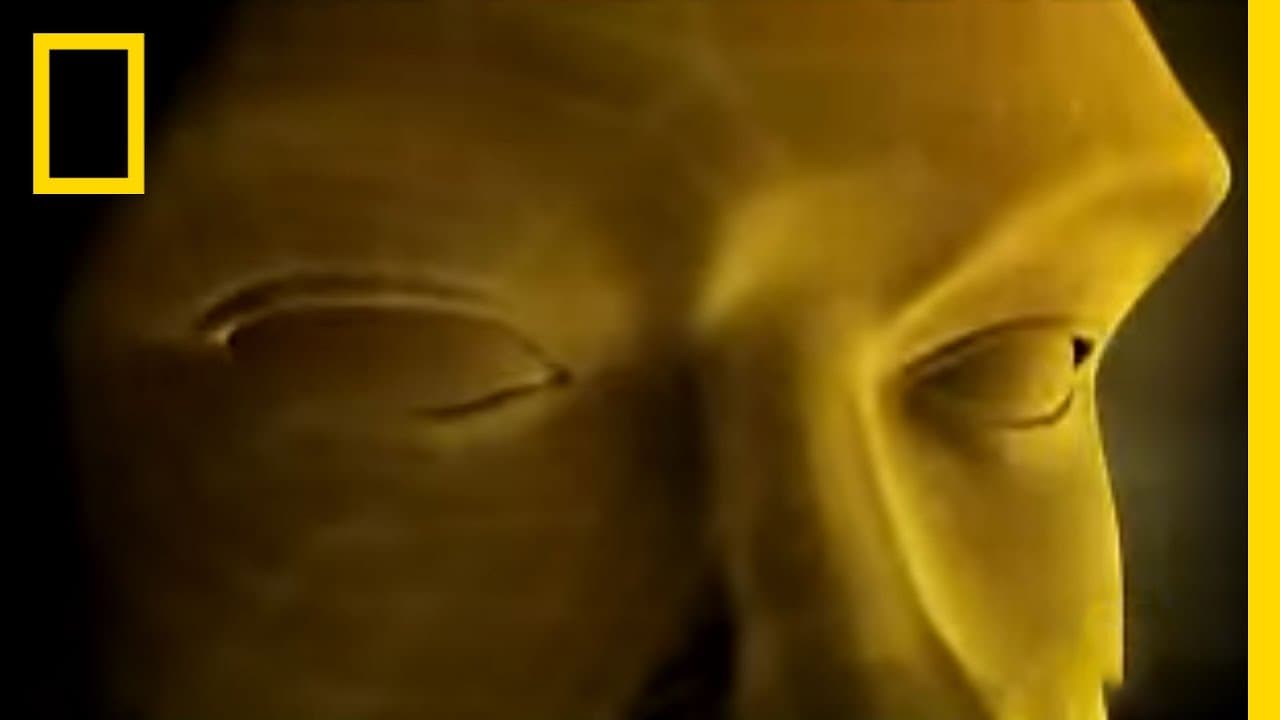
Scientists discover fossilized remains of cave people in Palau with unique physical features, possibly coexisting with modern humans.
Transcript
June 2006 pulao a remote chain of islands in the Pacific Ocean National Geographic scientists Lee Berger has come here on vacation on the final day of his trip he his wings of a possible discovery of fossilized human remains nearby a local guide takes lead to a natural cave on one of the smallest islands the guy takes lead to a small pile of bones ... Read More
Key Insights
- 💀 The ancient cave people in Palau exhibit unique physical features such as a small skull size and distinct facial characteristics.
- 🧑🔬 Scientists speculate that these cave people may have survived in harsh conditions by adapting physically and altering their lifestyle.
- 🫵 The discovery challenges traditional views on human evolution, suggesting rapid changes in size and shape within a short timeframe.
Install to Summarize YouTube Videos and Get Transcripts
Explore YouTube Video Summarizer or Get YouTube Transcript Extractor
Questions & Answers
Q: What unique physical features do the ancient cave people in Palau exhibit?
The fossilized remains of the cave people in Palau show distinct physical traits like a small skull size, pronounced brow ridge, thick bones, and unique facial features.
Q: How do scientists believe these cave people may have survived in such harsh conditions?
Scientists speculate that the cave people in Palau might have adapted to the harsh environment by possibly altering their physical characteristics and lifestyle to survive without crops or animals.
Q: What timeframe do researchers suspect these cave people lived in?
Scientists believe that the cave people in Palau could have populated the earth as recently as 500 AD, suggesting a coexistence with modern humans within the past few thousand years.
Q: How does the discovery of the ancient cave people challenge previous theories of human evolution?
The discovery challenges previous notions of human evolution, suggesting that drastic changes in size and shape could have occurred in just a few hundred years, rather than over tens of thousands of years as previously thought.
Summary & Key Takeaways
-
National Geographic scientists find fossilized remains of ancient cave people on a remote chain of islands in Palau.
-
The discovered bones show unique physical characteristics, including a small skull size and striking facial features unlike modern humans.
-
Researchers speculate that these cave people may have lived alongside modern humans only a few thousand years ago, suggesting rapid evolution.
Read in Other Languages (beta)
Share This Summary 📚
Summarize YouTube Videos and Get Video Transcripts with 1-Click
Try YouTube Summary with ChatGPT & Claude or YouTube Transcript Generator
Explore More Summaries from National Geographic 📚




Summarize YouTube Videos and Get Video Transcripts with 1-Click
Try YouTube Summary with ChatGPT & Claude or YouTube Transcript Generator