Why I speak up about living with epilepsy | Sitawa Wafula
TL;DR
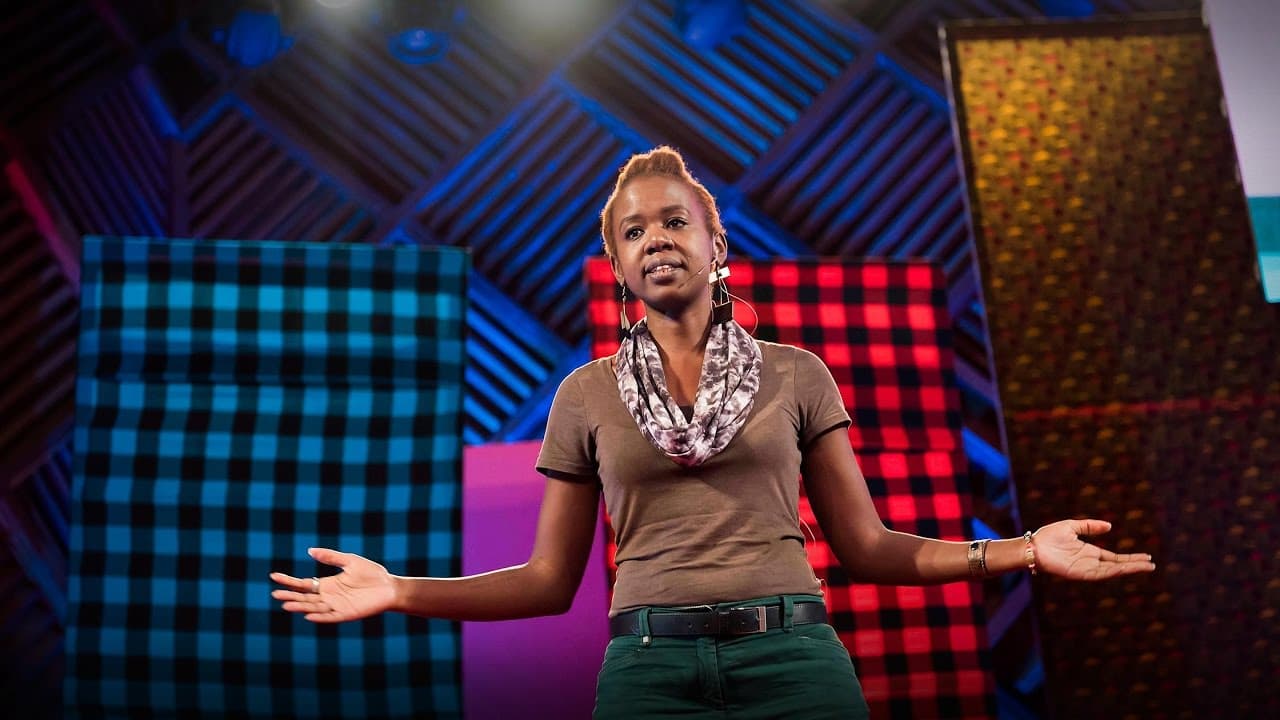
In this powerful talk, the speaker shares her personal journey of living with epilepsy and the stigma and challenges she faced, while also advocating for a more inclusive society.
Transcript
I have a confession. I have been in an affair since I was 17 years old. I wish I could talk about butterflies in my stomach or maps I drew on the ground when I think about this affair, but I cannot. I wish I could talk about sweet words spoken or gifts that I received from this affair, but I cannot. All I can tell you about is the aftermath, about ... Read More
Key Insights
- 💔 Stigma and exclusion are common emotions experienced by individuals with epilepsy, leading to feelings of frustration and a sense of loss.
- 💪 Self-advocacy and finding a support community can significantly improve the lives of those living with epilepsy, reducing the frequency of seizures.
- 🎓 The impact of epilepsy on education and employment can be significant, with dropping out of school and job loss being common consequences.
- 🌍 Epilepsy is a global issue, with a large percentage of the population being diagnosed in cities like Nairobi.
- 💻 Sharing personal experiences and creating awareness through online platforms can help connect individuals with epilepsy and provide support and education to others.
- 🚫 Denial and misconceptions about epilepsy can hinder acceptance and understanding.
- 📞 Establishing helplines and support services can be valuable resources for individuals living with epilepsy.
- 🙌 Overcoming societal barriers and breaking down stigmas allows individuals with epilepsy to lead fulfilling lives and pursue their dreams.
Install to Summarize YouTube Videos and Get Transcripts
Explore YouTube Video Summarizer or Get YouTube Transcript Extractor
Questions & Answers
Q: How did the speaker's affair begin?
The speaker's affair began when they were in their final year of high school. After a celebration with their classmates, they experienced physical symptoms such as teeth chattering and hand jerking, which were later diagnosed as seizures.
Q: What happened after the speaker's first seizure?
After experiencing their first seizure, the speaker spent a significant amount of time in the hospital and at home. They managed to complete their final exams despite having seizures between papers, and were admitted to the University of Nairobi. However, they had to drop out in their second year due to a lack of coping skills and support.
Q: How did the speaker cope with their condition?
The speaker initially lived in denial about their epilepsy, possibly due to the challenges they faced, such as dropping out of school and being fired from a job due to a seizure. They also had misconceptions about epilepsy, as they had heard that individuals with the condition would never live independently or have a fulfilling life.
Q: How did the speaker find support and advocate for epilepsy awareness?
The speaker started writing about their experiences, fears, and doubts on a blog. This led to them being seen and heard by others with epilepsy and their families. They eventually established Kenya's first free mental health and epilepsy support line and began speaking about epilepsy to raise awareness and combat stigma and exclusion.
Q: How has the speaker's condition improved over time?
The speaker's seizures have significantly reduced from occurring two to three times a day to sometimes only happening two to three times in a year. They have employed five individuals and have become a strong advocate for epilepsy awareness, demonstrating that individuals with epilepsy can lead fulfilling lives and overcome societal barriers.
Summary & Key Takeaways
-
The speaker confesses to being in an affair since they were 17 years old, but it is not a romantic affair, it is a struggle with epilepsy.
-
They describe the beginning of their epilepsy, including their first seizure, and the impact it had on their education and employment.
-
The speaker highlights their journey of self-advocacy, finding support, reducing seizure frequency, and creating a mental health and epilepsy support line in Kenya. They aim to challenge stigma and exclusion associated with epilepsy.
Read in Other Languages (beta)
Share This Summary 📚
Summarize YouTube Videos and Get Video Transcripts with 1-Click
Try YouTube Summary with ChatGPT & Claude or YouTube Transcript Generator
Explore More Summaries from TED 📚


Summarize YouTube Videos and Get Video Transcripts with 1-Click
Try YouTube Summary with ChatGPT & Claude or YouTube Transcript Generator