How To Talk About Social Justice In English | Vocabulary And Examples
TL;DR
Learn key terms for discussing social justice to be part of the solution against racism and discrimination.
Transcript
hey everyone its Hadar thank you so much for joining me today we are going to talk about vocabulary used when talking about social justice and social equality it is important to learn these key terms and to use them confidently when talking about these important subjects and it's important to be a part of the conversation because when were silent i... Read More
Key Insights
- 🖐️ Vocabulary plays a crucial role in discussing social justice and equality.
- 🍉 Understanding terms like racism, discrimination, and privilege is essential in dispelling biases.
- ❓ Diverse voices and perspectives in language learning promote inclusivity and cultural awareness.
- ❓ Actively seeking different voices challenges homogeneity and fosters a deeper understanding of varied English accents.
- 🇦🇬 The importance of conscious engagement in anti-racist conversations and actions.
- ℹ️ Encouraging individuals to share resources and learn from diverse sources to navigate systemic biases.
- 🤳 Recognizing the impact of language biases on self-perception and confidence in language learning.
Install to Summarize YouTube Videos and Get Transcripts
Explore YouTube Video Summarizer or Get YouTube Transcript Extractor
Questions & Answers
Q: Why is it important to use specific vocabulary when discussing social justice?
Using key terms like racism, discrimination, and bias helps in clearly articulating issues and understanding their impact on society, fostering meaningful conversations and awareness.
Q: How can biases in language learning affect one's perception of English proficiency?
Exposure to limited English accents and voices may lead to biased standards of "proper" English, impacting learners' confidence and perpetuating stereotypes of native speakers being superior.
Q: What actions can individuals take to promote diversity in their language learning?
Actively seeking out resources, teachers, and content from diverse voices, challenging algorithms promoting homogeneity, and educating oneself on systemic biases are crucial steps to foster inclusive learning environments.
Q: Why is it important to engage in conversations about racism and discrimination?
Addressing these issues openly and constructively raises awareness, challenges prejudices, and contributes to creating a more equitable and inclusive society.
Summary & Key Takeaways
-
Importance of using vocabulary for social justice and equality.
-
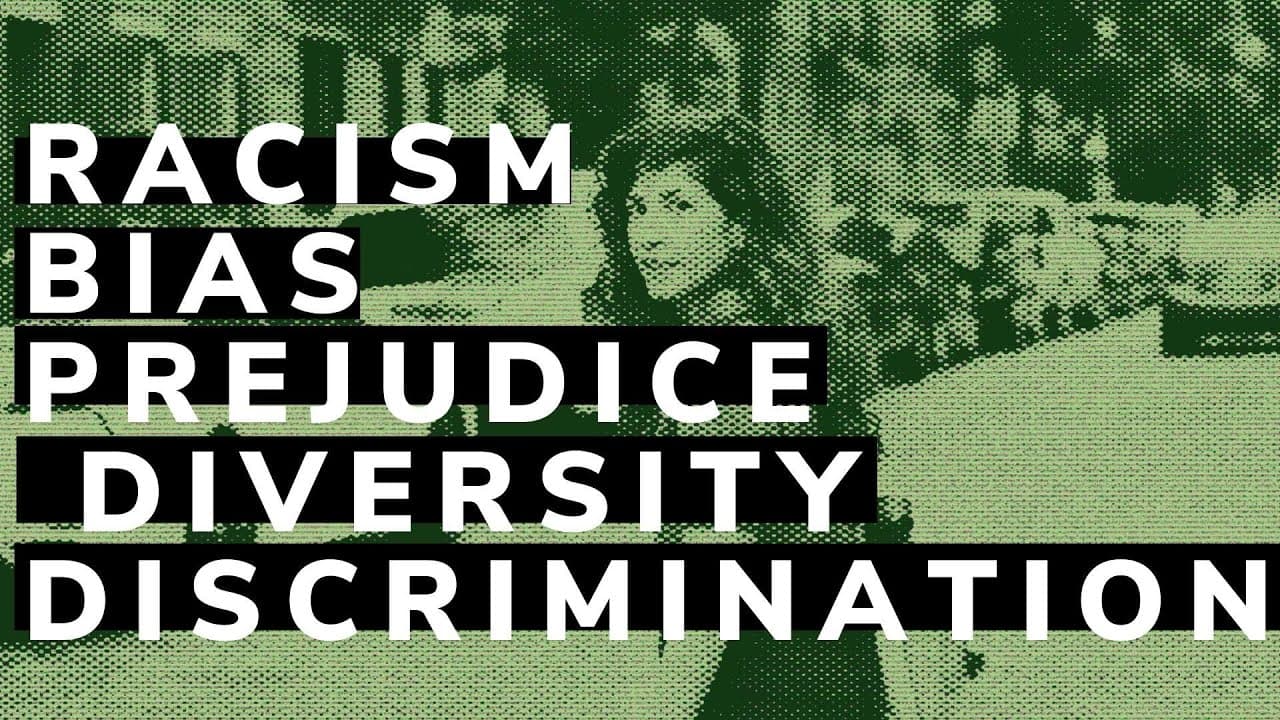
Explanation of terms like racism, discrimination, prejudice, bias, privilege, protests, and diversity.
-
Encouragement to seek diverse voices and be aware of biases in English learning.
Read in Other Languages (beta)
Share This Summary 📚
Summarize YouTube Videos and Get Video Transcripts with 1-Click
Try YouTube Summary with ChatGPT & Claude or YouTube Transcript Generator
Explore More Summaries from Accent's Way English with Hadar 📚
![#1 STRATEGY to become FLUENT in English [and why you DON'T NEED to 'speak like a native speaker’] thumbnail](/_next/image?url=https%3A%2F%2Fi.ytimg.com%2Fvi%2F0V0WeEnsec0%2Fhqdefault.jpg&w=750&q=75)
![The Most Mispronounced Words in Tech [part 1] thumbnail](/_next/image?url=https%3A%2F%2Fi.ytimg.com%2Fvi%2F-qWiBtYY04A%2Fhqdefault.jpg&w=750&q=75)


Summarize YouTube Videos and Get Video Transcripts with 1-Click
Try YouTube Summary with ChatGPT & Claude or YouTube Transcript Generator