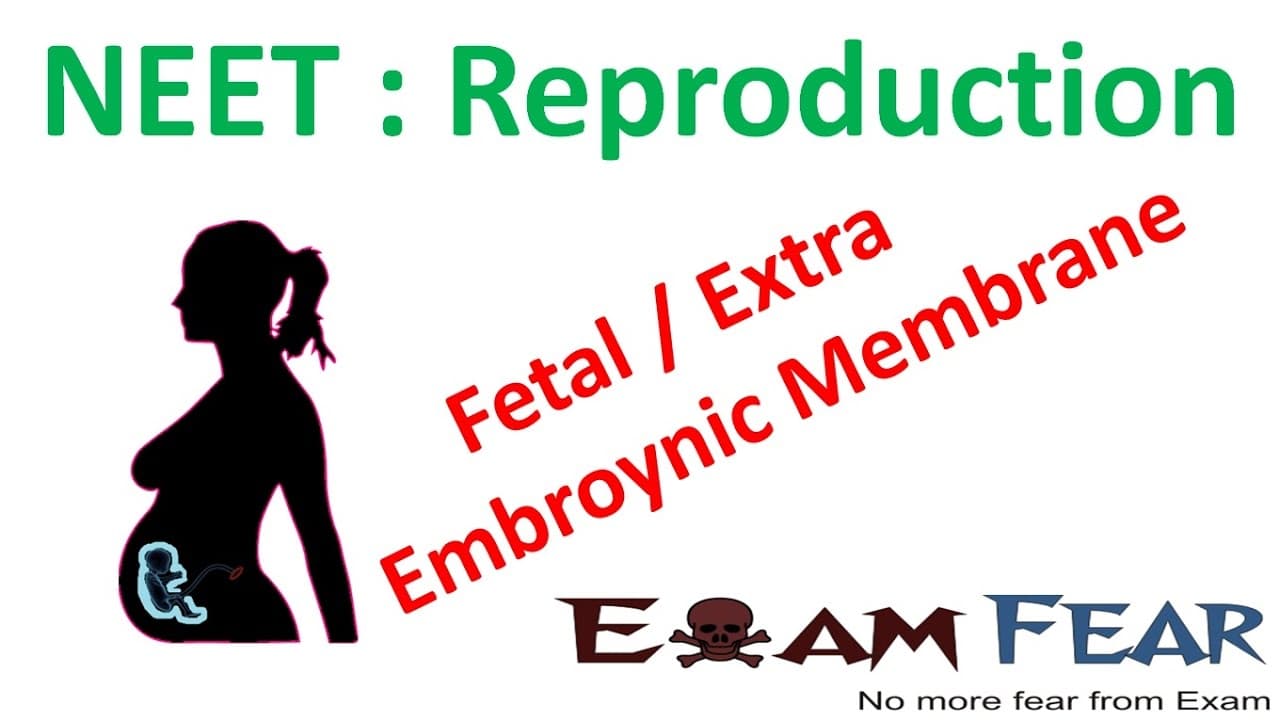
NEET Biology Reproduction : Fetal / Extra Embroynic Membrane
TL;DR
This video provides a detailed explanation of the four extra embryonic membranes (chorion, amnion, allantois, and yolk sac) and their functions in protecting and supporting the growing embryo.
Transcript
hello friends this video on NEET reproduction is brought to you by exam feel calm no more fear from exam now as the embryo grows inside the mother's food it needs huge amount of protection because it is a very delicate structure that is getting formed step by step inside the mother's womb so to ensure good amount of protection to the embryo there a... Read More
Key Insights
- ❓ The four extra embryonic membranes are chorion, amnion, allantois, and yolk sac.
- ❓ Chorion completely surrounds the embryo and is composed of trophoblast and mesoderm.
- 🕵️ Amnion is located internal to the chorion and contains amniotic fluid, which provides cushioning and can help detect genetic disorders.
- 💁 Allantois and yolk sac are mostly non-functional in humans but have specific roles in early blood cell formation.
- 💗 The extra embryonic membranes are critical for protecting and supporting the growing embryo.
- 🖐️ Chorion also plays a role in placenta formation, which connects the embryo to the mother.
- ❓ Understanding the composition and functions of the extra embryonic membranes is important in reproductive biology.
Install to Summarize YouTube Videos and Get Transcripts
Explore YouTube Video Summarizer or Get YouTube Transcript Extractor
Questions & Answers
Q: What are extra embryonic membranes and why are they important for the growing embryo?
Extra embryonic membranes are membranes that surround the growing embryo and provide protection. They are important because they help cushion the embryo, facilitate placenta formation, and aid in early blood cell formation.
Q: What is the composition of the chorion membrane?
The chorion membrane is composed of trophoblast on the outside and mesoderm on the inside. Trophoblast is the outer cellular layer of the blastocyst, while mesoderm is one of the three germ layers (along with ectoderm and endoderm).
Q: What is the function of the amnion membrane?
The amnion membrane is located internal to the chorion and surrounds the embryo. The space between the amnion and the embryo, known as the amniotic cavity, is filled with amniotic fluid. This fluid acts as a protective cushion for the embryo and can also help detect genetic disorders or chromosomal abnormalities.
Q: What is the role of the yolk sac membrane?
The yolk sac membrane is mostly non-functional in humans but serves as a site for early blood cell formation. It contains mesoderm on the outside and endoderm on the inside.
Summary & Key Takeaways
-
The video discusses the four extra embryonic membranes (chorion, amnion, allantois, and yolk sac) that provide protection and support to the growing embryo.
-
Each membrane is described in detail, including its composition and location in relation to the embryo.
-
The functions of the extra embryonic membranes are explained, such as cushioning the embryo, aiding in placenta formation, and facilitating early blood cell formation.
Read in Other Languages (beta)
Share This Summary 📚
Summarize YouTube Videos and Get Video Transcripts with 1-Click
Try YouTube Summary with ChatGPT & Claude or YouTube Transcript Generator
Explore More Summaries from LearnoHub - Class 11, 12 📚




Summarize YouTube Videos and Get Video Transcripts with 1-Click
Try YouTube Summary with ChatGPT & Claude or YouTube Transcript Generator