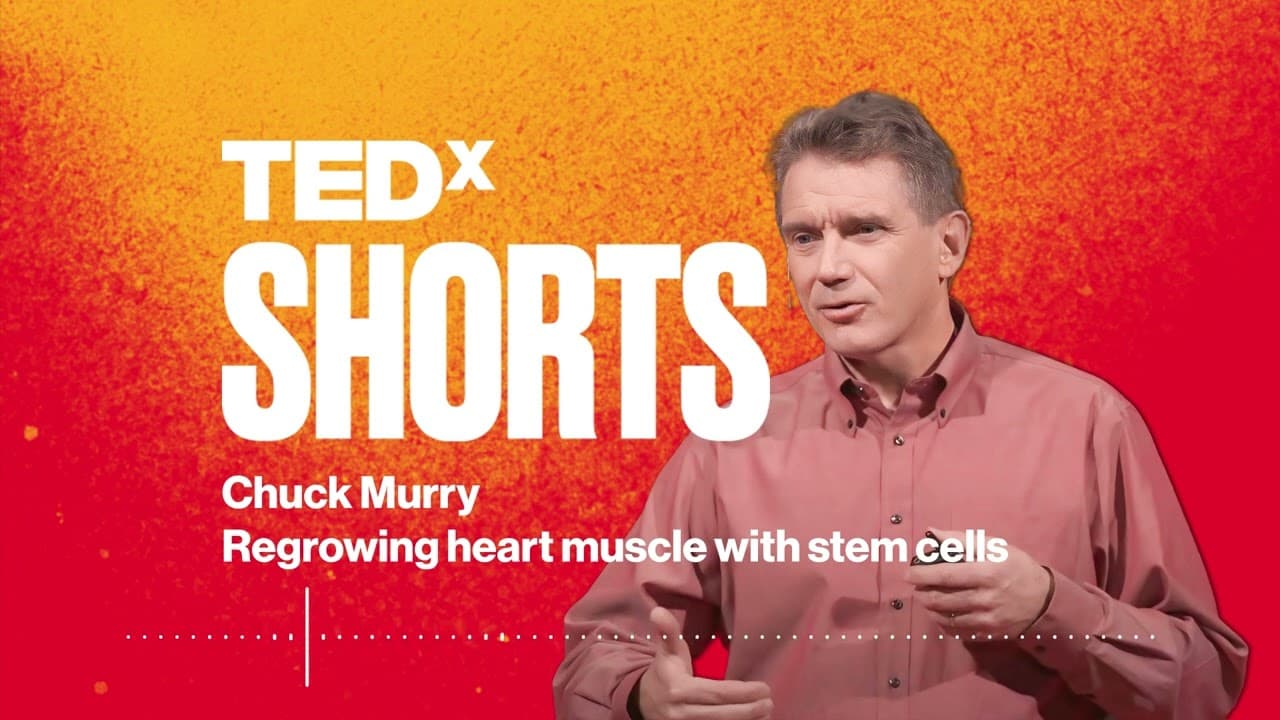
Regrowing heart muscle with stem cells
TL;DR
Stem cell therapy shows promise for restoring heart function after damage.
Transcript
a quick new idea daily from the world's greatest tedex tots I'm your host atosa Leoni and this is tedex shorts science has made a lot of progress mitigating the effects of heart disease but it's still one of the leading causes of death worldwide Physicians and scientist Chuck Murray has a plan restoring contractile heart function with stem cells th... Read More
Key Insights
- 🥰 Heart disease is still a leading health concern, necessitating novel treatment methods like stem cell therapy.
- 🥰 Pluripotent stem cells can thrive in the lab and be manipulated to become cardiac muscle, presenting exciting opportunities for heart regeneration.
- 🪛 Initial experiments provided mixed results, driving researchers to enhance their methods in tissue engineering and transplantation processes.
- 🥰 The introduction of stem cells to animal models has shown potential for improving cardiac function after heart damage.
- 🙈 Ongoing studies with more complex animal models like macaque monkeys are crucial for predicting results in human trials.
- 🥰 The discovery of electrical instability in grafted muscle cells highlights the complexity of integrating new cells into existing heart tissue.
- ❓ Continued advancements in genetic manipulation and biochemical support are pivotal for the development and survival of cardiac cells.
Install to Summarize YouTube Videos and Get Transcripts
Explore YouTube Video Summarizer or Get YouTube Transcript Extractor
Questions & Answers
Q: What is the significance of stem cells in heart disease treatment?
Stem cells are crucial for heart disease treatment as they have the unique ability to regenerate and replace damaged tissues. Researchers, like Chuck Murray, propose utilizing pluripotent stem cells that can differentiate into heart muscle cells, potentially restoring contractile function in those affected by heart attacks. This innovative approach could transform existing treatment methods, aiming to significantly reduce mortality associated with heart diseases.
Q: How do researchers ensure that stem cells differentiate into heart muscle cells?
To promote the differentiation of stem cells into cardiac muscle cells, researchers relied on insights from embryology. By mimicking the developmental processes of the cardiovascular system, they were able to improve differentiation rates from one in a thousand to 90%. This method attached a jellyfish gene to the stem cells, allowing for monitoring, thereby ensuring that a majority were transformed into the desired heart muscle cells.
Q: What challenges did researchers face when transplanting stem cells into animal models?
Early transplantation attempts resulted in cell death, presenting a major hurdle for the research team. However, the scientists persevered, developing a "Pro survival cocktail" that helped the transplanted stem cells survive the stress of transplantation. This advancement enabled them to observe the growth of healthy human heart muscle in animal models, marking a significant step forward in their research.
Q: How did the transplanted heart muscle cells perform in animal studies?
The transplanted human cardiac muscle cells displayed promising results, beating in synchrony with the host animal's heart. In experiments involving guinea pigs, these cells connected functionally and electrically with the existing cardiac tissue, indicating that not only were the cells alive, but they were also contributing positively to the heart’s rhythm and function.
Q: What are the future plans for this research?
Researchers plan to initiate phase one clinical trials with human patients at the University of Washington, contingent on the safety and effectiveness of their procedures. These trials could signify a crucial step toward offering stem cell therapies to individuals suffering from heart diseases globally, potentially achieving transformative health outcomes.
Summary & Key Takeaways
-
Heart disease remains a leading cause of death despite scientific advances, prompting researchers like Chuck Murray to explore innovative therapies involving stem cells.
-
Using pluripotent stem cells, scientists aim to convert these cells into cardiac muscle, overcoming initial challenges to achieve significant improvements in cell differentiation and survival during transplantation.
-
Recent experiments on animal models suggest that introducing new heart muscle cells can enhance heart function, with plans to begin human clinical trials soon, potentially revolutionizing heart disease treatment.
Read in Other Languages (beta)
Share This Summary 📚
Summarize YouTube Videos and Get Video Transcripts with 1-Click
Try YouTube Summary with ChatGPT & Claude or YouTube Transcript Generator
Explore More Summaries from TEDx Talks 📚


Summarize YouTube Videos and Get Video Transcripts with 1-Click
Try YouTube Summary with ChatGPT & Claude or YouTube Transcript Generator