Fareed Zakaria on the Knowledge Economy | Big Think
TL;DR
Continuous learning and skill acquisition are crucial for success in the evolving job market.
Transcript
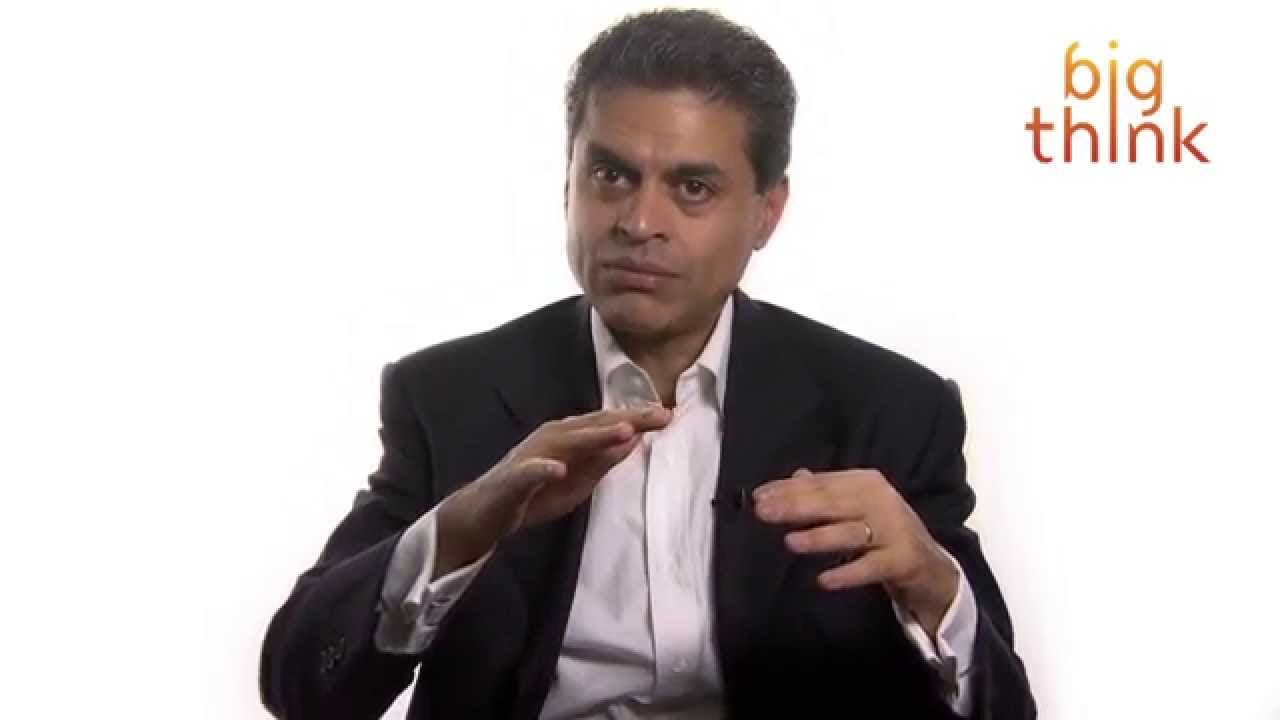
It's something of a cliché to say this but we live in a knowledge economy. Increasingly a person's ability to command the high wage is going to depend upon having some skills, having skills that relate to perhaps technology. It doesn't always have to be technology but it has to be some kind of value add that you provide that allows you to command s... Read More
Key Insights
- 👶 Adaptability to new technologies and skills is crucial for success in today's job market.
- ❓ Continuous learning is necessary to thrive in a knowledge economy.
- 🛟 Accreditation from prestigious universities serves as a hiring filter but is being challenged by alternative learning methods.
- ❓ Employers may shift towards valuing skills and outcomes over traditional educational processes.
- ⚾ The evolution of education towards skill-based outcomes could alter the pricing model of traditional institutions.
- 🥹 Traditional university degrees still hold value, especially for networking opportunities and social connections.
- 💨 Online courses and MOOCs offer a cost-effective way to acquire skills comparable to top universities.
Install to Summarize YouTube Videos and Get Transcripts
Explore YouTube Video Summarizer or Get YouTube Transcript Extractor
Questions & Answers
Q: How important are continuous learning and skill acquisition in today's job market?
Continuous learning and skill acquisition are essential for individuals to stay competitive in the rapidly evolving job market. Employers value the ability to acquire new skills, reflecting the necessity for adaptability and growth in various industries.
Q: How do prestigious university degrees impact hiring decisions?
Prestigious university degrees serve as filters for employers, showcasing a level of expertise and capability in a specific field. However, alternative forms of accreditation like online courses challenge traditional educational norms by emphasizing skill outcomes over the process of education.
Q: How does the shift towards outcome-based education impact traditional institutions?
The shift towards outcome-based education places pressure on traditional institutions to adapt their pricing models and focus on skill acquisition rather than merely completing a set curriculum. This change reflects the need for practical and applicable skills in a dynamic job market.
Q: How might employers view accreditation from online platforms compared to traditional universities?
Employers may begin to value accreditations from online platforms if they demonstrate practical skills and knowledge acquisition. This shift could challenge the traditional emphasis on university degrees and lead to a more skill-based approach to hiring and employment.
Summary & Key Takeaways
-
In a knowledge economy, high wages depend on valuable skills, whether in technology or human-touch professions like nursing.
-
Continuous learning is vital as industries evolve rapidly, requiring adaptation to new technologies and skills.
-
Accreditation from prestigious universities serves as a sorting mechanism for employers, but online courses and alternative learning methods challenge traditional educational norms.
Read in Other Languages (beta)
Share This Summary 📚
Summarize YouTube Videos and Get Video Transcripts with 1-Click
Try YouTube Summary with ChatGPT & Claude or YouTube Transcript Generator
Explore More Summaries from Big Think 📚



Summarize YouTube Videos and Get Video Transcripts with 1-Click
Try YouTube Summary with ChatGPT & Claude or YouTube Transcript Generator