Best Material For Backpacks? Your Guide To Bag Fabrics
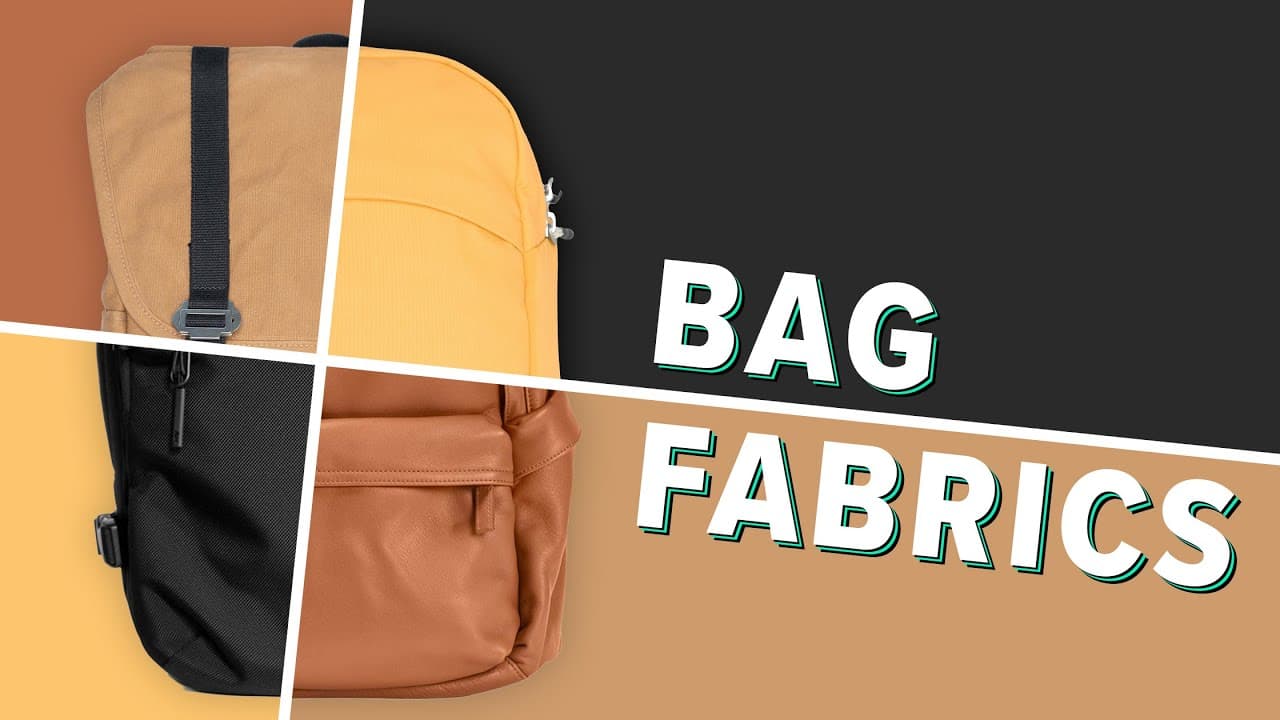
TL;DR
This video provides an overview of common backpack fabrics, discussing their characteristics, durability, and suitability for different activities.
Transcript
it comes to bags fabric type is one of the key indicators in looks performance and durability there are so many options and technical terms to navigate in this video we'll run through some of the common fabric types and whether or not they may or may not be the right choice for you hey i'm tom the founder of pack hacker your guide to smarter travel... Read More
Key Insights
- 🤩 Denier is a key indicator of a backpack fabric's durability, with higher denier fabrics generally being heavier and more durable.
- 😂 Ripstop and ballistic weaves are excellent for preventing tears and abrasions in outdoor bags.
- 🥳 Nylon is versatile and commonly used in backpacks, offering a good strength-to-weight ratio but lacking breathability and UV resistance.
- ✋ Polyester is a less expensive alternative to nylon, with higher UV resistance and easier dyeing capabilities.
- 💦 Pack cloth provides water resistance but is less durable compared to ripstop and ballistic nylons.
- ❣️ Tarpaulin offers extra durability and weather resistance, but it can be heavy and scratch easily.
- ❣️ Cordura is a reputable brand that offers a range of quality fabrics, though some may be heavier.
- ❣️ Dyneema is a lightweight and incredibly strong fabric, suitable for heavy-duty and weather-resistant backpacks.
- 💪 X-Pac is a composite fabric that combines different materials to create a strong, lightweight, and weather-resistant fabric.
Install to Summarize YouTube Videos and Get Transcripts
Explore YouTube Video Summarizer or Get YouTube Transcript Extractor
Questions & Answers
Q: What is denier, and why is it important when choosing a backpack fabric?
Denier is a measurement system that classifies the thickness of the thread in a woven fabric. Higher denier fabrics tend to be heavier and more durable. It is important as it gives an indication of the strength and durability of the fabric.
Q: What are the differences between ripstop and ballistic weaves?
Ripstop weave consists of reinforced threads that create a grid pattern to prevent tears from spreading. It is lightweight and durable, commonly used in outdoor bags. Ballistic weave uses thicker threads, often 1000 denier and higher. It is abrasion and puncture resistant, making it suitable for rough terrains.
Q: What are the advantages of using polyester fabric in backpacks?
Polyester fabric has higher UV resistance compared to nylon, making it suitable for outdoor bags that won't fade or weaken with sun exposure. It is also less expensive than nylon and can be recycled. However, it does not have the same strength-to-weight ratio as nylon.
Q: How does wax canvas compare to leather as a backpack fabric?
Wax canvas offers water resistance and a heritage look, aging beautifully over time. However, it requires re-waxing every few years to maintain its water-resistant properties. Leather, on the other hand, provides a timeless, durable, and professional look but can be heavy and expensive.
Key Insights:
- Denier is a key indicator of a backpack fabric's durability, with higher denier fabrics generally being heavier and more durable.
- Ripstop and ballistic weaves are excellent for preventing tears and abrasions in outdoor bags.
- Nylon is versatile and commonly used in backpacks, offering a good strength-to-weight ratio but lacking breathability and UV resistance.
- Polyester is a less expensive alternative to nylon, with higher UV resistance and easier dyeing capabilities.
- Pack cloth provides water resistance but is less durable compared to ripstop and ballistic nylons.
- Tarpaulin offers extra durability and weather resistance, but it can be heavy and scratch easily.
- Cordura is a reputable brand that offers a range of quality fabrics, though some may be heavier.
- Dyneema is a lightweight and incredibly strong fabric, suitable for heavy-duty and weather-resistant backpacks.
- X-Pac is a composite fabric that combines different materials to create a strong, lightweight, and weather-resistant fabric.
- Leather provides a timeless and durable option for backpacks, while faux leather offers a more affordable alternative with a similar look.
Summary & Key Takeaways
-
The video explores different fabric types commonly used in backpacks, including nylon, polyester, pack cloth, tarpaulin, Cordura, Dyneema, X-Pac, wax canvas, and leather.
-
It explains the significance of denier, a measurement system used to classify the thickness of thread within a woven fabric, in determining the durability of backpack fabrics.
-
The video highlights the pros and cons of each fabric type, their applications, and factors to consider when choosing the right fabric for a backpack.
Read in Other Languages (beta)
Share This Summary 📚
Summarize YouTube Videos and Get Video Transcripts with 1-Click
Try YouTube Summary with ChatGPT & Claude or YouTube Transcript Generator
Explore More Summaries from Pack Hacker 📚



Summarize YouTube Videos and Get Video Transcripts with 1-Click
Try YouTube Summary with ChatGPT & Claude or YouTube Transcript Generator