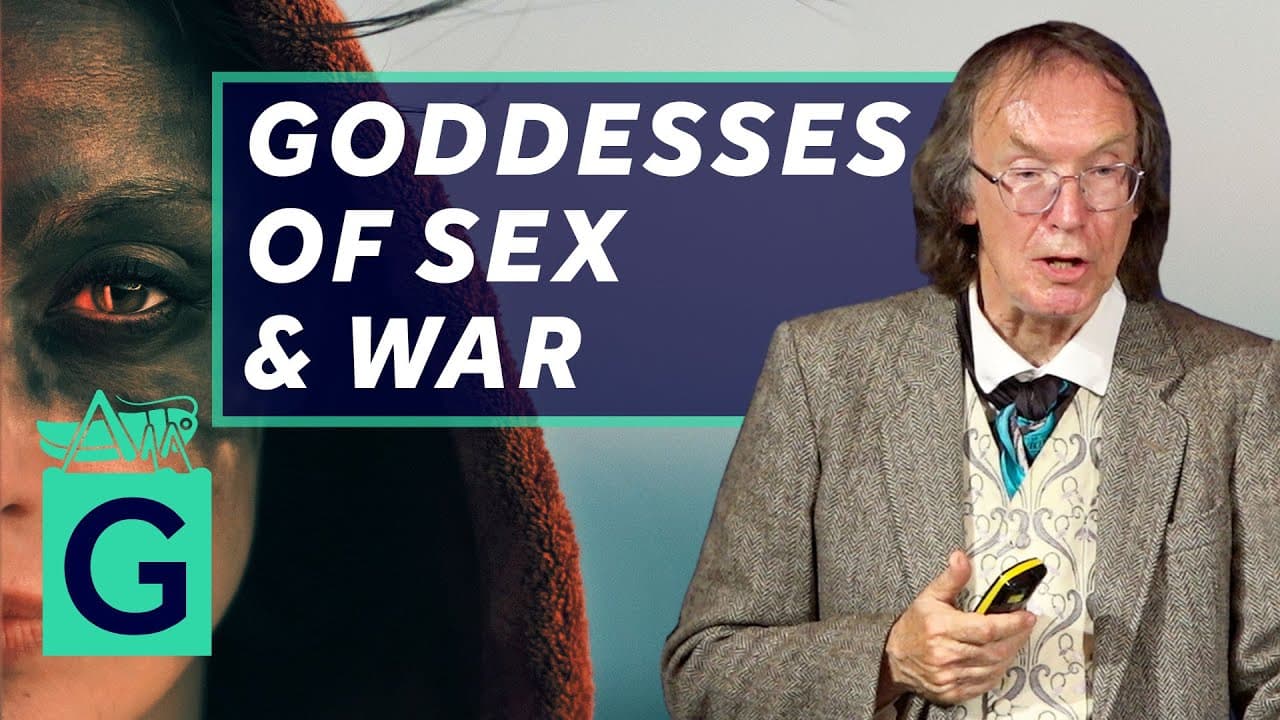
Ancient Goddesses of Sex and War - Ronald Hutton
TL;DR
The talk explores the development and relationships of a group of goddesses from the Mediterranean and Near East, highlighting their evolution in character and function. It delves into the distinct characteristics and associations of goddesses like Inanna, Ishtar, and Aphrodite/Venus.
Transcript
foreign ancient deities never developed meaning that they stayed more or less the same beings throughout their recorded history others however have biographies in the sense that they evolved significantly in character and function and that process can be studied some influenced others and contributed to their evolution what I want to do in this tal... Read More
Key Insights
- 🌍 The development of Mediterranean and Near Eastern goddesses was influenced by each other, resulting in a domino effect across the ancient world.
- 🫱 Inanna transformed from a protector of agricultural storehouses to a war goddess, fertility goddess, and eventually a goddess of sex.
- 🥰 Aphrodite/Venus merged with Ishtar and inherited her associations, such as fertility and war, while primarily being recognized as a goddess of love and beauty.
Install to Summarize YouTube Videos and Get Transcripts
Explore YouTube Video Summarizer or Get YouTube Transcript Extractor
Questions & Answers
Q: How did the goddess Inanna develop from her original role as a protector of agricultural storehouses?
Inanna began as a barn goddess, protecting the agricultural produce from seed to harvest. She later became associated with rain and thunderstorms, leading her to become one of the Sumerian war goddesses and eventually the goddess of sex.
Q: Was there a connection between the development of these goddesses and the unification of Sumerian cities into a single empire?
Yes, as the Sumerian cities unified, they started putting their deities into family relationships and telling stories about them. In this process, Inanna's character became a unique and highly marked one, portraying her as a beautiful, sexy, spoiled, and imperious young princess.
Q: How did Aphrodite's role as a goddess of love and war differ from that of Inanna and Ishtar?
While Aphrodite/Venus shared similar attributes with Inanna and Ishtar, she was not widely associated with war or government. Instead, she was primarily associated with sexuality and love. However, she did absorb the qualities of Ishtar, including her associations with rain, thunderstorms, and fertility.
Q: How did the representation of these goddesses contrast with the role of women in ancient Greek society?
In ancient Greek society, women were often limited in their roles and opportunities. However, the goddesses, including Aphrodite, had extensive power and influence. This contrast highlights the dichotomy between the societal expectations for women and the divine significance of these goddesses.
Summary & Key Takeaways
-
The talk examines the evolution of a group of goddesses from the Mediterranean and Near East, focusing on their relationships with each other.
-
The goddess Inanna is studied as one of the earliest recorded goddesses in Mesopotamia with a complex character that evolved over time.
-
The goddesses in this group were associated with both love/sex and war, and their development influenced each other in a domino effect across the ancient world.
Read in Other Languages (beta)
Share This Summary 📚
Summarize YouTube Videos and Get Video Transcripts with 1-Click
Try YouTube Summary with ChatGPT & Claude or YouTube Transcript Generator
Explore More Summaries from Gresham College 📚

Summarize YouTube Videos and Get Video Transcripts with 1-Click
Try YouTube Summary with ChatGPT & Claude or YouTube Transcript Generator